Athladent Review: Should Endurance Athletes Be Paying More Attention to Their Teeth?
 Karen Parnell
November 16, 2026
Athladent Review: Should Endurance Athletes Be Paying More Attention to Their Teeth?
As triathletes, we spend hours thinking about our training zones, carbohydrate intake, hydration and recovery. We carefully plan how many gels to take on a long ride and what to eat after a hard run. But when did you last think about what all those gels and sports drinks might be doing to your teeth?
It's an interesting question, and one that's receiving increasing attention from dental professionals. Research suggests that endurance athletes can face additional oral health challenges, partly because of the sports nutrition strategies that help us perform at our best [1].
So, what can we do about it? And could a product such as Athladent help? I've been looking into the science behind the product and what it means for everyday triathletes.
If you prefer to listen to blogs, you can listen to it here:
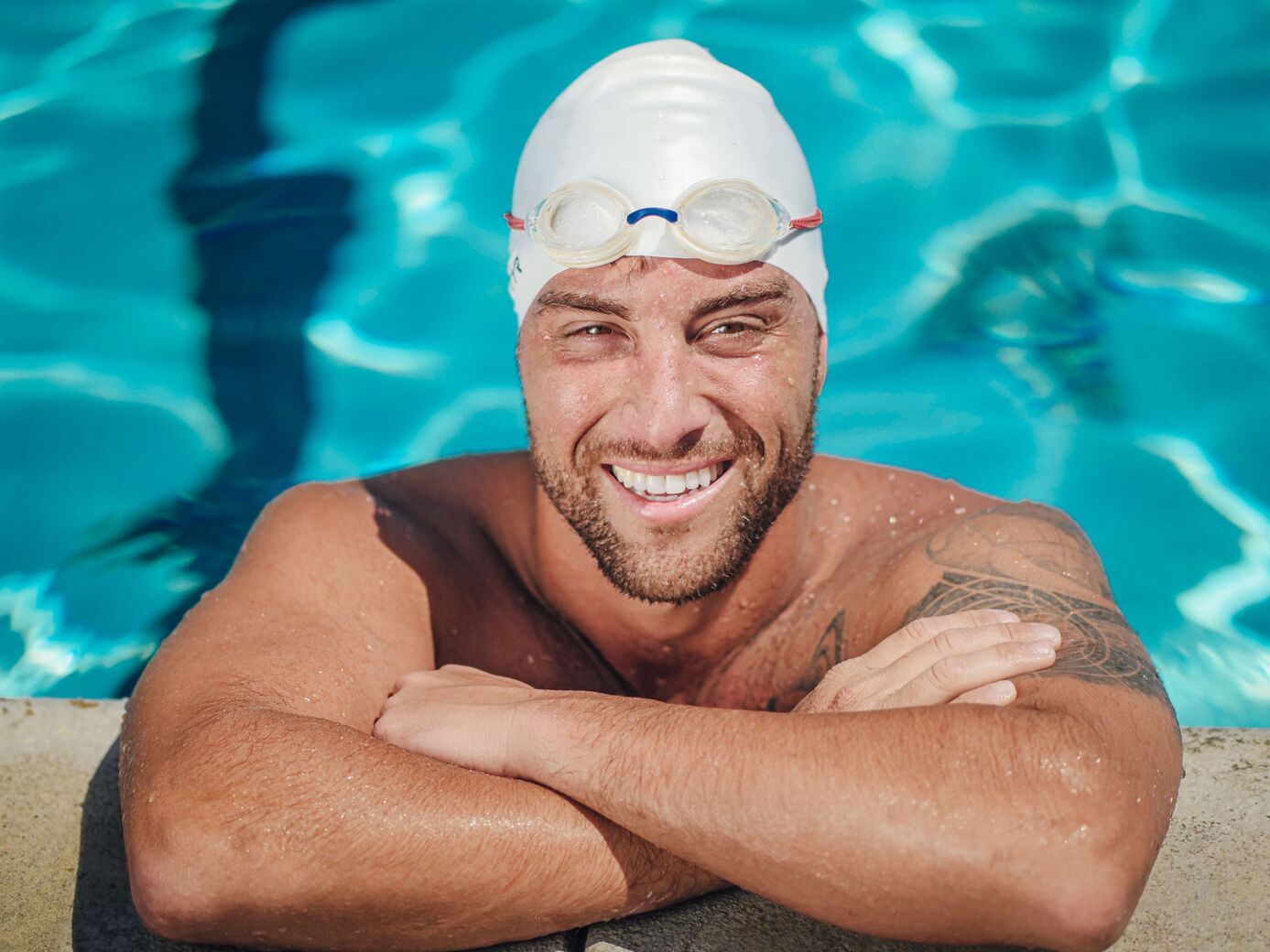
Source: Kindel Media
Get your FREE Swim Workouts for Triathletes E-book
Why Should Triathletes Worry About Their Teeth?
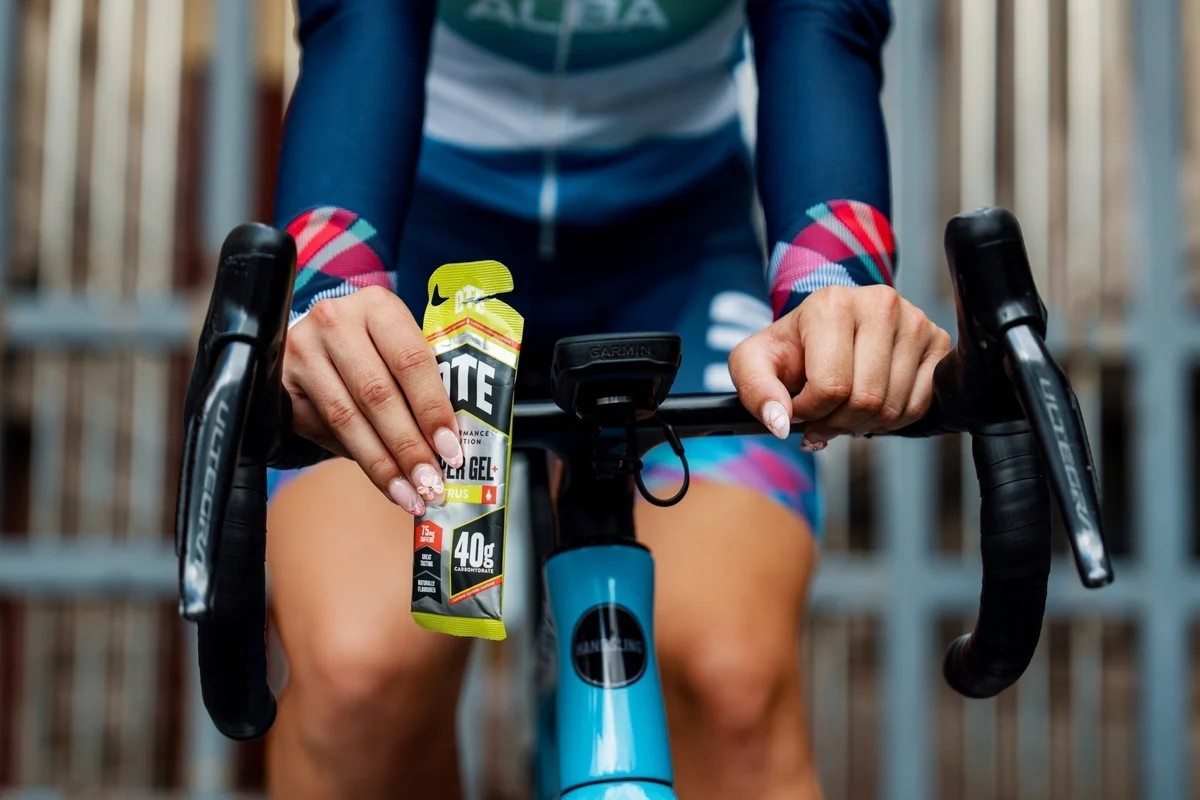
Think about a typical long-distance training session. You might start with a carbohydrate-rich breakfast, take several gels during your ride, sip an electrolyte or sports drink, and perhaps have another gel during your brick run.
Your fuelling strategy might be spot on for performance, but your teeth are experiencing repeated exposure to sugars and, depending on the products you use, acids.
There are two main issues to understand:
1. Dental caries (tooth decay) develops when bacteria in dental plaque metabolise sugars and produce acids that damage tooth mineral.
2. Dental erosion is the direct loss of tooth mineral caused by exposure to acids, including those found in some sports drinks and gels.
They're different processes, but athletes can be exposed to both.
A study involving 35 triathletes and 35 non-exercising controls found an increased risk of dental erosion among the athletes. It also identified an association between weekly training time and caries prevalence within the athlete group [2]. More recently, a 2026 review in the British Dental Journal highlighted the high burden of oral health problems reported in elite athletes and the need for practical prevention strategies [1].
That doesn't mean you should throw away your gels!
Carbohydrate is essential for many endurance sessions and races. Instead, we need to think about how to fuel effectively while looking after our teeth.

What Happens to Your Teeth During Exercise?
Saliva is one of your mouth's natural defence mechanisms. It helps neutralise acids, clear food residues and support the maintenance of tooth mineral.
During prolonged exercise, saliva flow and its protective properties can change. The endurance-training study by Frese and colleagues found changes in salivary parameters during exercise, alongside an increased risk of dental erosion among the triathletes studied [2].
Add frequent exposure to carbohydrate and acidic sports nutrition products, and you can see why dentists are taking a closer look at athletes' oral health.
The good news is that simple habits can help manage the risks.
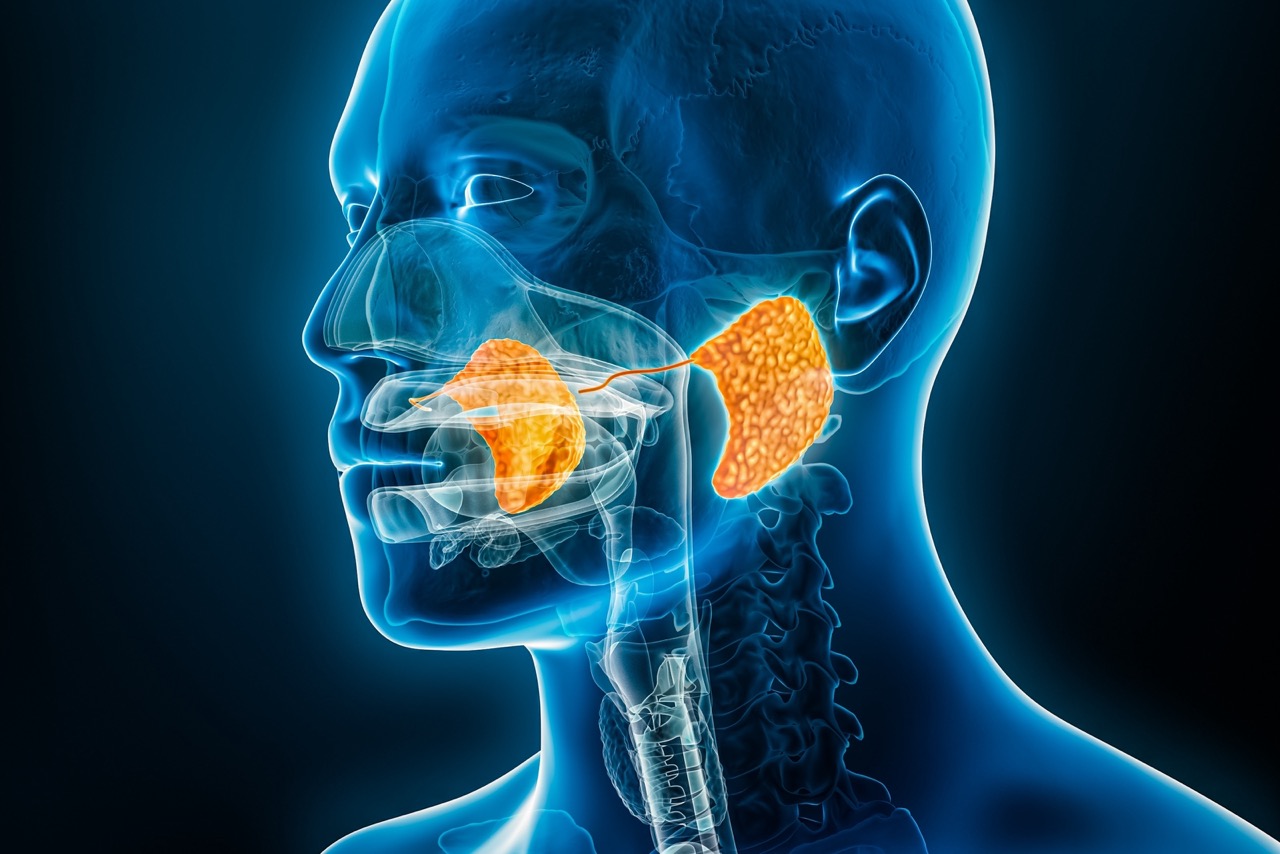
The location of your saliva glands Source: Penndetal Medicine
Meet Athladent: Oral Care Designed with Endurance Athletes in Mind
Athladent was developed by Dr Sam McKinney, a practising dentist and endurance athlete. The idea is straightforward: athletes have particular oral care challenges because of their training and fuelling habits, so why not develop a product specifically for that situation?
Its Enamel Defence Formula contains nano-hydroxyapatite, green tea extract, zinc citrate, and other ingredients selected for their proposed roles in enamel care and the oral environment.
Unlike a conventional toothpaste routine focused on morning and evening, Athladent is designed as a pre-training oral care step. The manufacturer recommends applying it approximately one hour before exercise, allowing time for the product to interact with the tooth surface before training and fuelling begin [3].
It's an interesting approach because it asks athletes to think about oral care as part of their training preparation, just as they think about filling their bottles or packing their race belt.
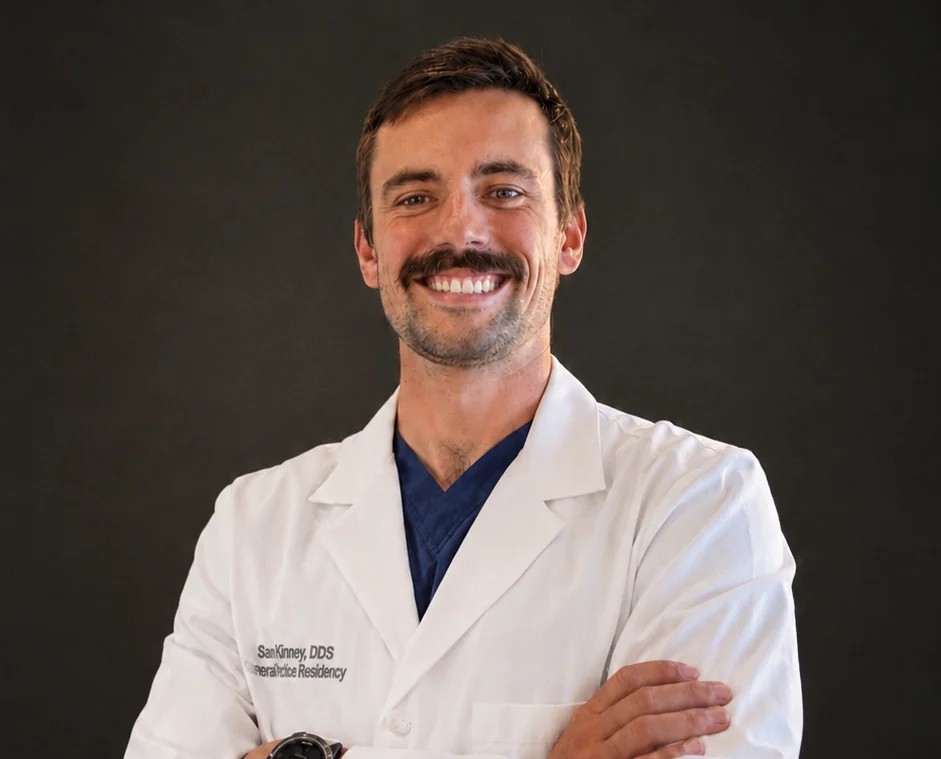
Dentist Sam McKinney - the brains behind Athladent
What Does the Science Say About Athladent's Ingredients?
One of the main ingredients is nano-hydroxyapatite (nHAp). Hydroxyapatite is a mineral naturally found in tooth enamel, and research has investigated hydroxyapatite-based oral care products for their potential to support remineralisation.
A 2022 randomised clinical trial involving rugby players evaluated a home oral care protocol using hydroxyapatite-based toothpaste, with or without a hydroxyapatite mouthwash. The researchers reported improvements in several oral health measures over the study period, although there were no significant differences between the two groups [4].
This is encouraging research into hydroxyapatite-based oral care in a sporting population. However, it is important to distinguish evidence about an ingredient or a different formulation from evidence about Athladent itself.
The manufacturer also describes the roles of green tea polyphenols, zinc citrate and arginine in its formula [3]. These ingredients have been investigated for various effects on the oral environment, but their inclusion does not automatically demonstrate that the complete Athladent formula delivers the claimed benefits in endurance athletes.
The important distinction: the science provides a rationale for investigating these ingredients, but the specific Athladent formulation and its recommended pre-training protocol have not been independently clinically tested as a combined product, according to the manufacturer's own disclosure [3].
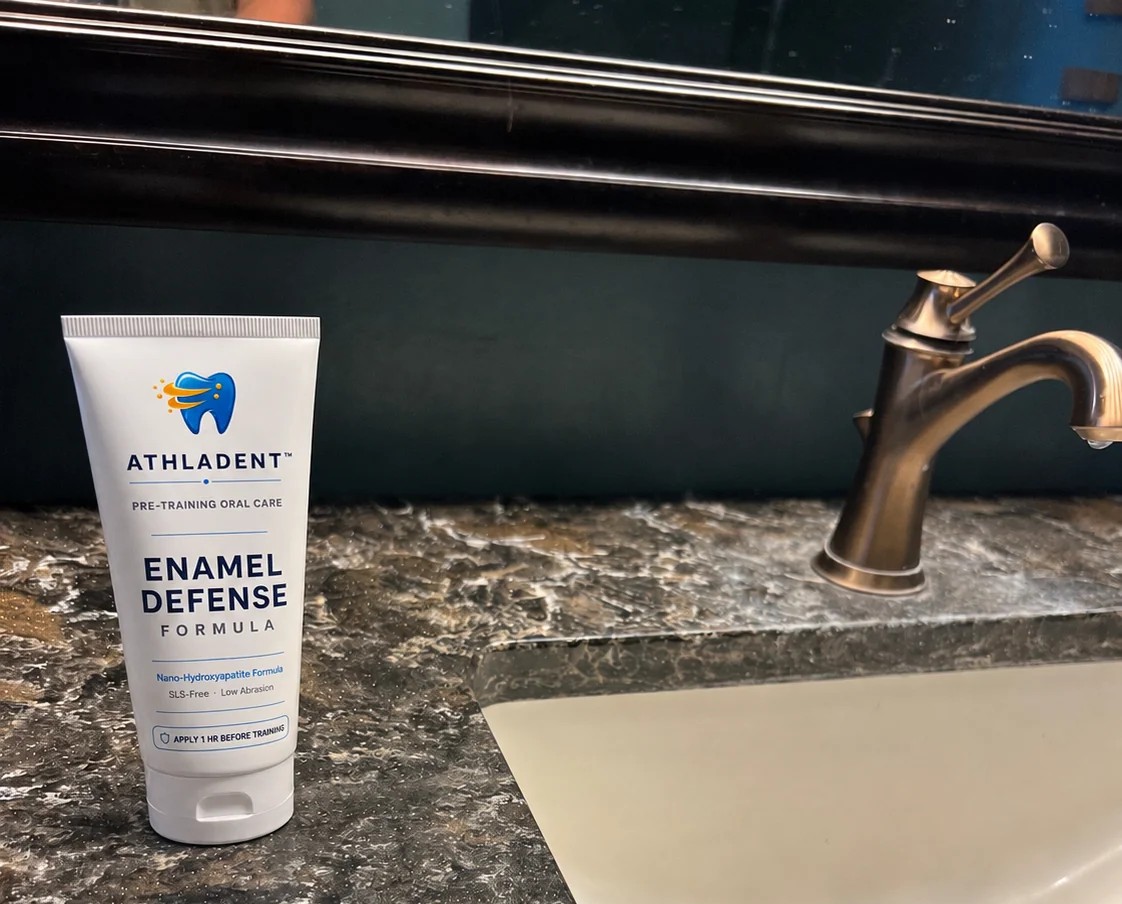
Athladent toothpaste: pre-training oral care
Not Sure Whether Athladent is Right for Your Training?
One feature I particularly like is that Athladent offers a personalised oral-care quiz.
Rather than expecting every athlete to follow exactly the same routine, the quiz asks you 15 questions about your sport, fuelling habits and existing oral hygiene.
Based on your answers, it provides a personalised protocol designed by the dentist behind the Athladent formula.
This is a useful idea because endurance athletes have very different training demands. A triathlete completing a long weekend ride, a marathon runner taking regular gels and a swimmer training twice a day may all have different considerations when it comes to looking after their teeth.
The quiz is a good starting point if you're unsure how your current training and nutrition habits might affect your oral health.
Want to find out how Athladent could fit into your training routine?
Take the Athladent 15-question quiz and discover your personalised oral-care protocol.
Get your FREE 31 Structured Cycling Sessions and Training Plan
My Athladent Review: What Stands Out?
Looking at Athladent from a coaching perspective, I can see three interesting aspects.
1. It addresses a genuine athlete health concern.
The relationship between endurance sport, sports nutrition and oral health is supported by published research [1,2]. Athladent is targeting a relevant problem rather than inventing a concern that athletes need to worry about.
2. It encourages athletes to think about timing.
The pre-training approach is distinctive. Most of us automatically think about brushing our teeth in the morning and evening, rather than considering our oral care routine alongside a long ride or race. Whether this particular timing provides additional protection needs independent clinical evidence, but the idea of making dental health part of training preparation is worth considering.
3. It has a specific purpose.
Athladent is designed as an additional oral care step for athletes, rather than simply being marketed as another everyday toothpaste. For athletes who train frequently and consume carbohydrate during long sessions, that focus may be appealing.
Are there any limitations?
The main limitation is the evidence specific to the product.
Although research supports investigating hydroxyapatite and other oral care ingredients, we should not assume that studies of individual ingredients or other products prove that Athladent prevents dental erosion or tooth decay.
It is also important to understand that Athladent is intended to complement an oral care routine, not replace regular dental check-ups or appropriate brushing with fluoride toothpaste. The manufacturer recommends continuing to use regular fluoride toothpaste morning and night [5].
If you have a history of dental erosion, sensitive teeth or recurrent decay, speak to your dentist before changing your oral care routine.
My verdict: Athladent is an interesting product aimed at a genuine concern for endurance athletes. Its focus on pre-training oral care is distinctive, and the ingredients have scientific rationales worth exploring.
However, I'd like to see independent clinical research testing the complete product and its timing protocol in endurance athletes before making strong claims about its effectiveness.
If nothing else, this product does make us think about oral and dental health as an athlete, which is not a bad thing.
Five Simple Ways to Look After Your Teeth as a Triathlete
Whatever oral care products you choose, the basics still matter.
- Keep fuelling appropriately. Don't compromise your performance by unnecessarily reducing carbohydrate intake during demanding training or racing.
- Rinse with water after gels or sports drinks when practical. This can help clear residual sugars and acids from your mouth [1].
- Avoid brushing immediately after acidic exposure. Rinse with water and follow your dentist's advice on when to brush.
- Brush twice daily with fluoride toothpaste. Clean between your teeth daily and maintain a consistent oral hygiene routine.
- Tell your dentist you're an endurance athlete. Discuss your training volume, fuelling habits and any sensitivity or dry mouth. Regular dental checks can help identify problems early.
Photo: Race El Paso/Mighty Mujer Triathlon
Get your FREE Open Water Swimming Sessions E-Book
Conclusion
As triathletes, we want our bodies to keep performing for years, not just through the next race season. That means looking beyond swim, bike and run training to the other parts of our health that can easily be overlooked.
Athladent is an interesting development in the growing conversation about sports dentistry. Its approach is worth exploring, but it should sit alongside the fundamentals: appropriate fuelling, good oral hygiene and professional dental care.
Your gels might help get you to the finish line. Just remember to look after the teeth that help you enjoy everything that comes afterwards!
Karen Parnell is a Level 3 British Triathlon and IRONMAN Certified Coach, 8020 Endurance Certified Coach, WOWSA Level 3 open water swimming coach, and NASM Personal Trainer and Sports Technology Writer.
Karen has recently completed a postgraduate MSc in Sports Performance Coaching at the University of Stirling.
Need a training plan? I have plans on TrainingPeaks and FinalSurge:
I also coach a very small number of athletes one to one for all triathlon and multi-sport distances, open water swimming events and running races. Email me for details and availability. Karen.parnell@chilitri.com
Get your FREE Guide to Running Speed and Technique
Get your FREE Swim Workouts for Triathletes E-book
Get your FREE Open Water Swimming Sessions E-Book
Get your FREE 8-Week Sprint Triathlon Swimming Training Plan
References
1. Needleman I, Gallagher J, Ashley P. What do we know about elite athlete oral health? British Dental Journal. 2026;240:217–222. Read the research.
2. Frese C, Frese F, Kuhlmann S, Saure D, Reljic D, Staehle HJ, Wolff D. Effect of endurance training on dental erosion, caries, and saliva. Scandinavian Journal of Medicine & Science in Sports. 2015;25(3):e319–e326. Read the research.
3. Athladent. The Science: The Science Behind Athladent's Enamel Defense Formula. Read the manufacturer's explanation.
4. Butera A, Gallo S, Pascadopoli M, Scardina GA, Pezzullo S, Scribante A. Home Oral Care Domiciliary Protocol for the Management of Dental Erosion in Rugby Players: A Randomized Clinical Trial. Journal of Clinical Medicine. 2022;11(16):4893. Read the research.
5. Athladent. Frequently Asked Questions: Product use and daily oral care. Read the manufacturer's guidance.
This article is for educational purposes and is not a substitute for individual dental advice. Product information and usage recommendations are based on the manufacturer's published material. Research on individual ingredients or other formulations should not be interpreted as proof of the effectiveness of Athladent as a complete product.