Rayofi SwimComm Pro vs SwimComm: Which Is Best for Swim Coaching and Triathlon Training?
 Karen Parnell
March 29, 2026
Karen Parnell
March 29, 2026
Rayofi SwimComm Pro vs SwimComm: Which Is Best for Swim Coaching and Triathlon Training?
When I first reviewed the SwimComm with the T6 transmitter, what stood out immediately was how much it changed my coaching. You’re no longer shouting from poolside or waiting at the wall — you’re coaching in the moment. All for an affordable price.
Now having tested the SwimComm Pro, I’ll have to say that this isn’t a replacement for the original SwimComm, it’s a product evolution.
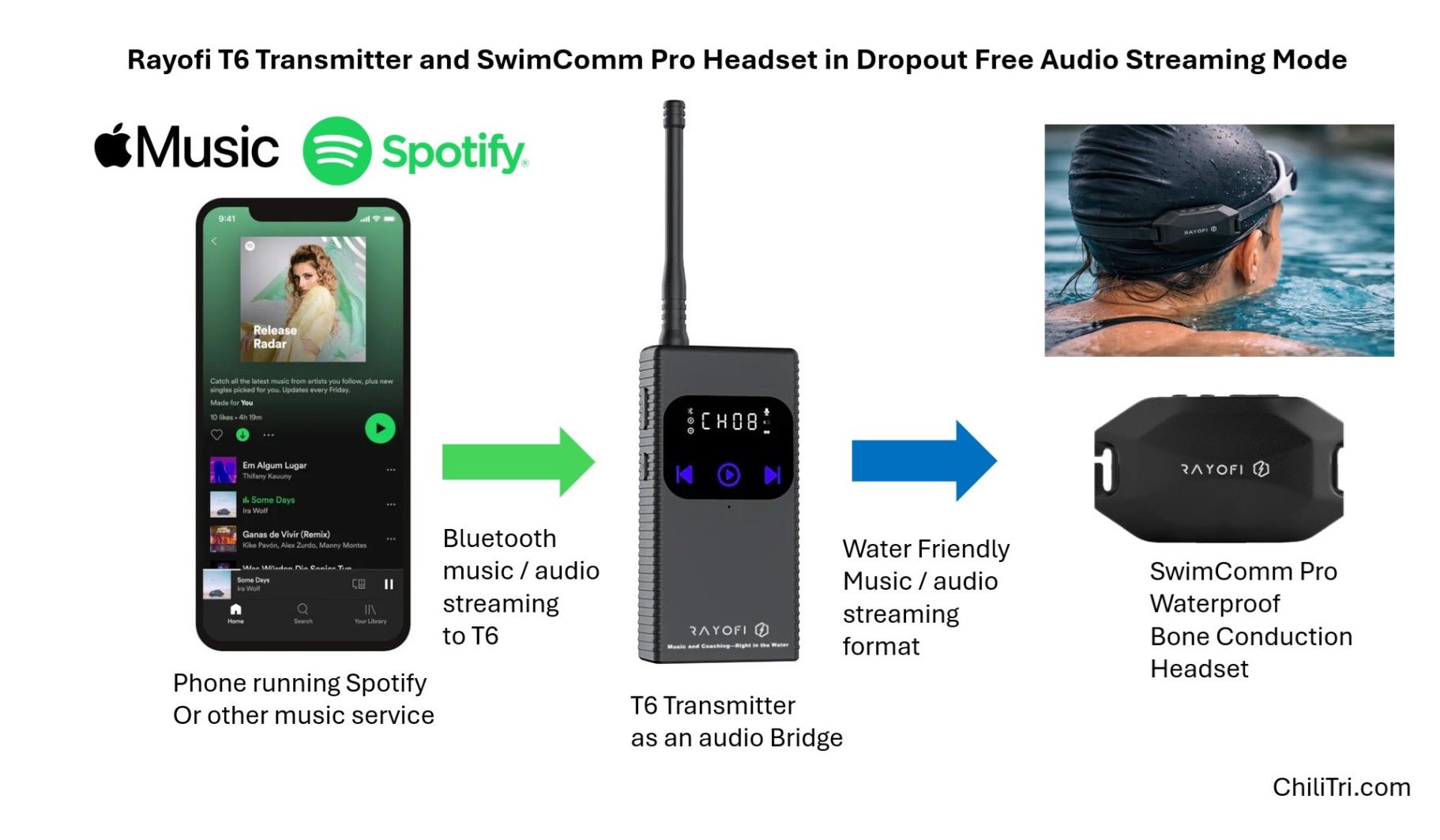
The SwimComm Pro still uses the same T6 transmitter and push-to-talk coaching communication system, but adds a whole new layer of flexibility on top.
So, the real question isn’t “which one enables you to coach better?”
It’s: How do you want to train — and how often are you swimming solo vs coached?
If you prefer to listen to Blogs you can listen to it here:
First Impressions: Same System, Different Feel
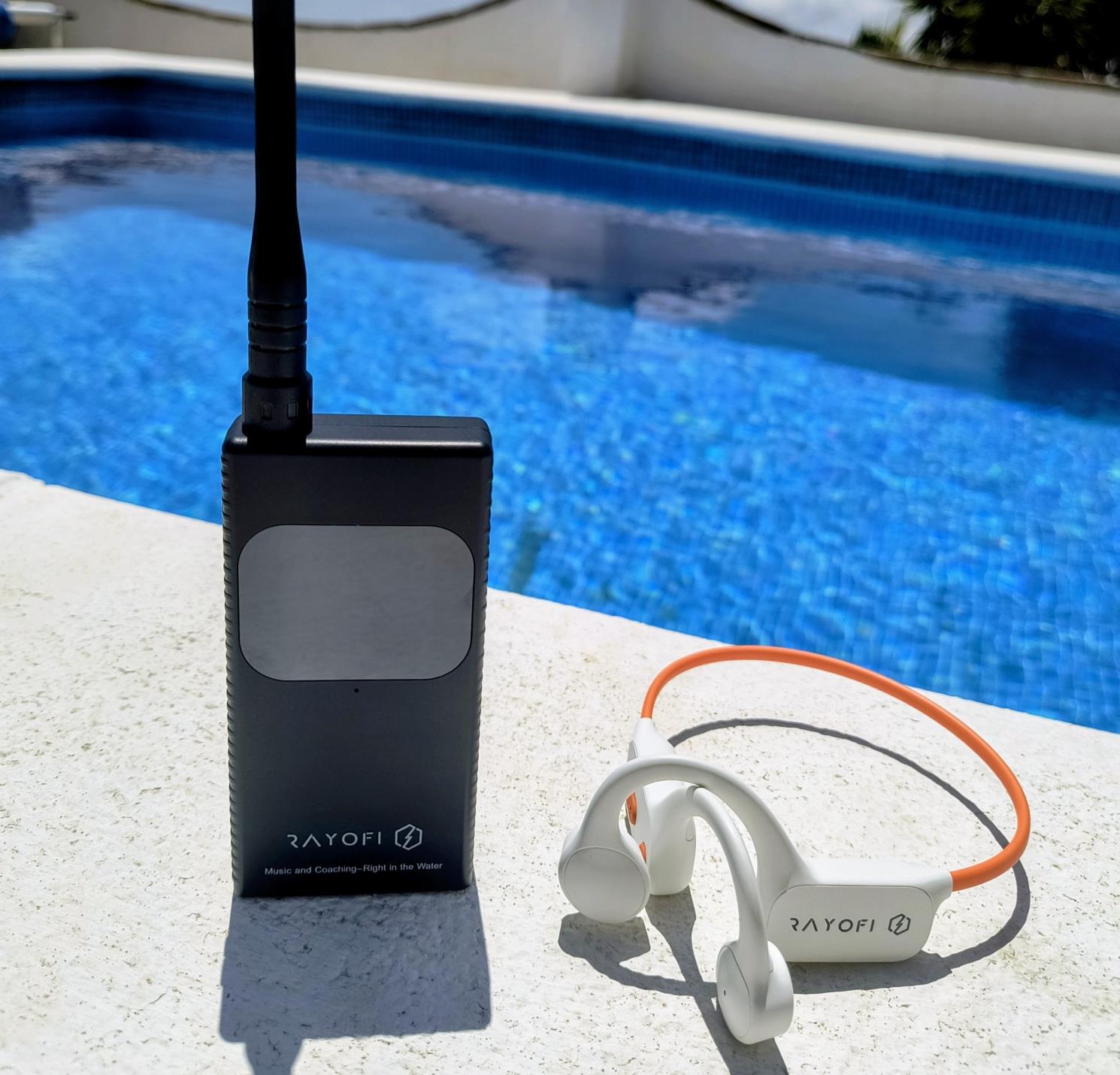
The original SwimComm at ChiliTri’s Endless Pool
Get your FREE Swim Workouts for Triathletes E-book
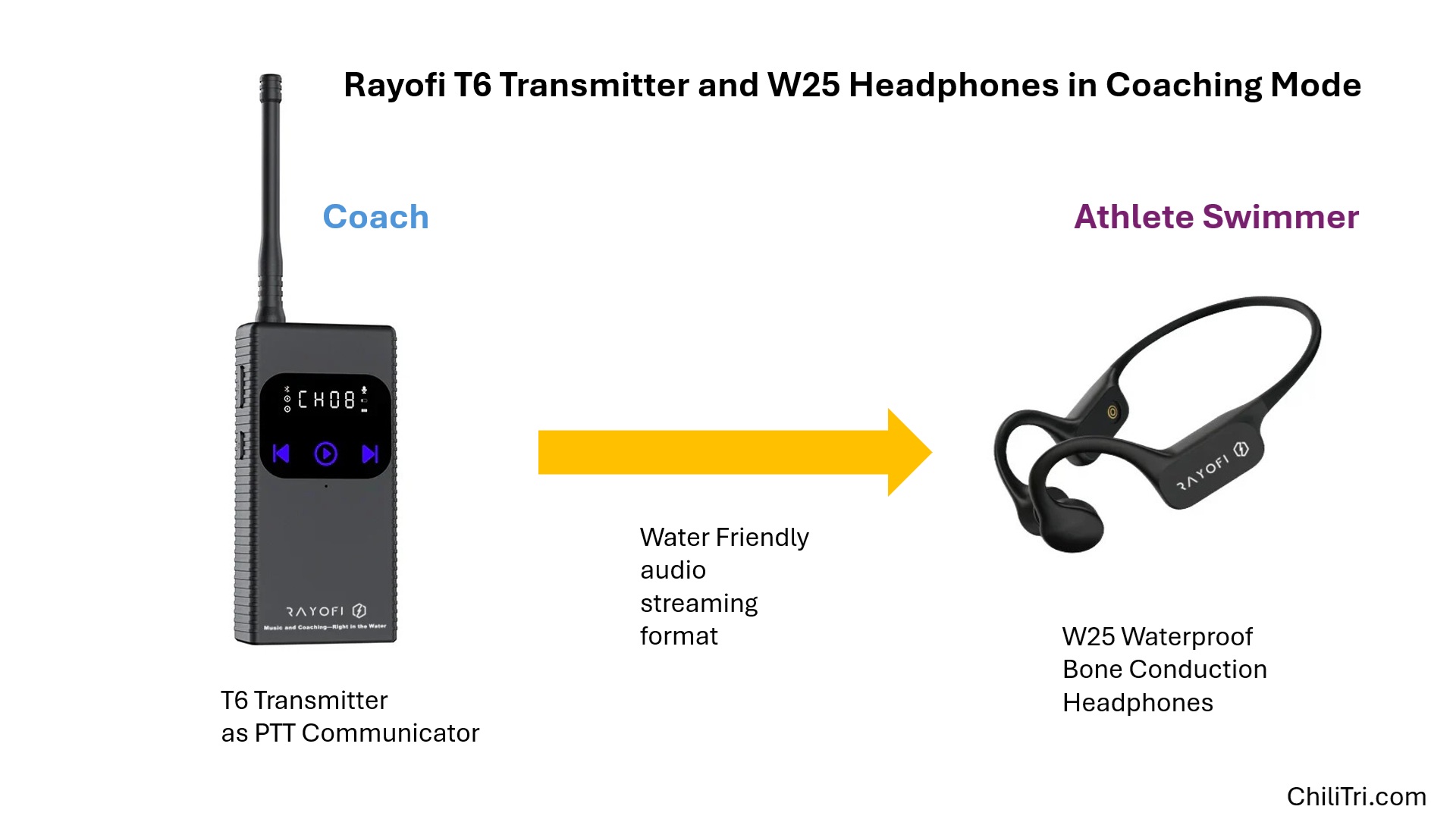
The Orignal SwimComm plus T6 Transmitter
The original SwimComm (it used to be called W25) was very clearly built around the coach-swimmer connection.
When you set it up poolside (especially in an Endless Pool like I have) it feels like a proper coaching system. There’s structure to it and purpose. You’re there to work on something specific and it does that brilliantly. The bone conduction headphones are the same form factor that we recognise which wraps around your head. This design is however not great for tumble turns and you may like to put your swim hat over them to secure then in place. But if you are using the headphones in Bluetooth music streaming mode when on dryland and not in the pool this form factor makes sense.
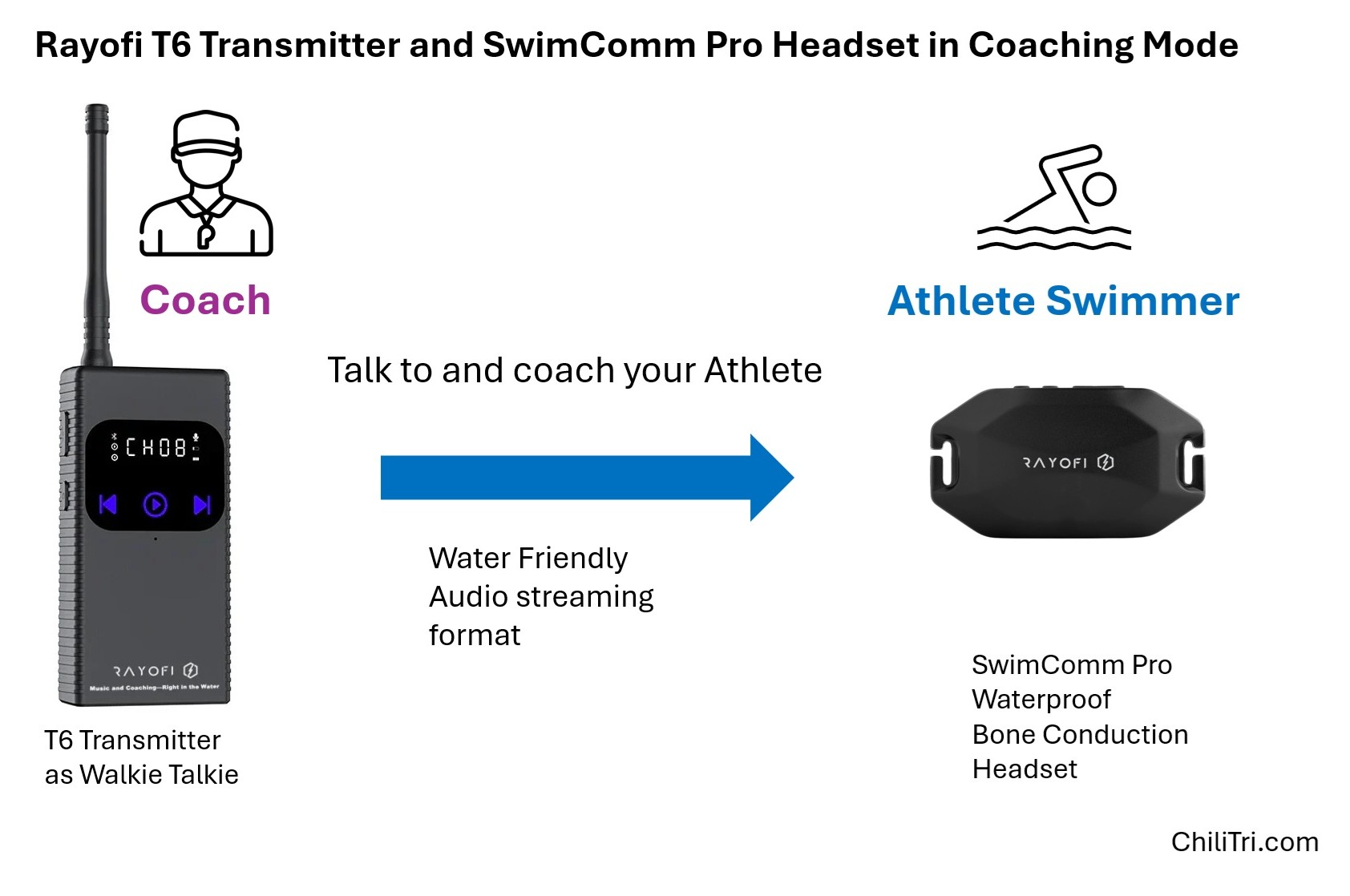
SwimComm Pro plus T6 Transmitter
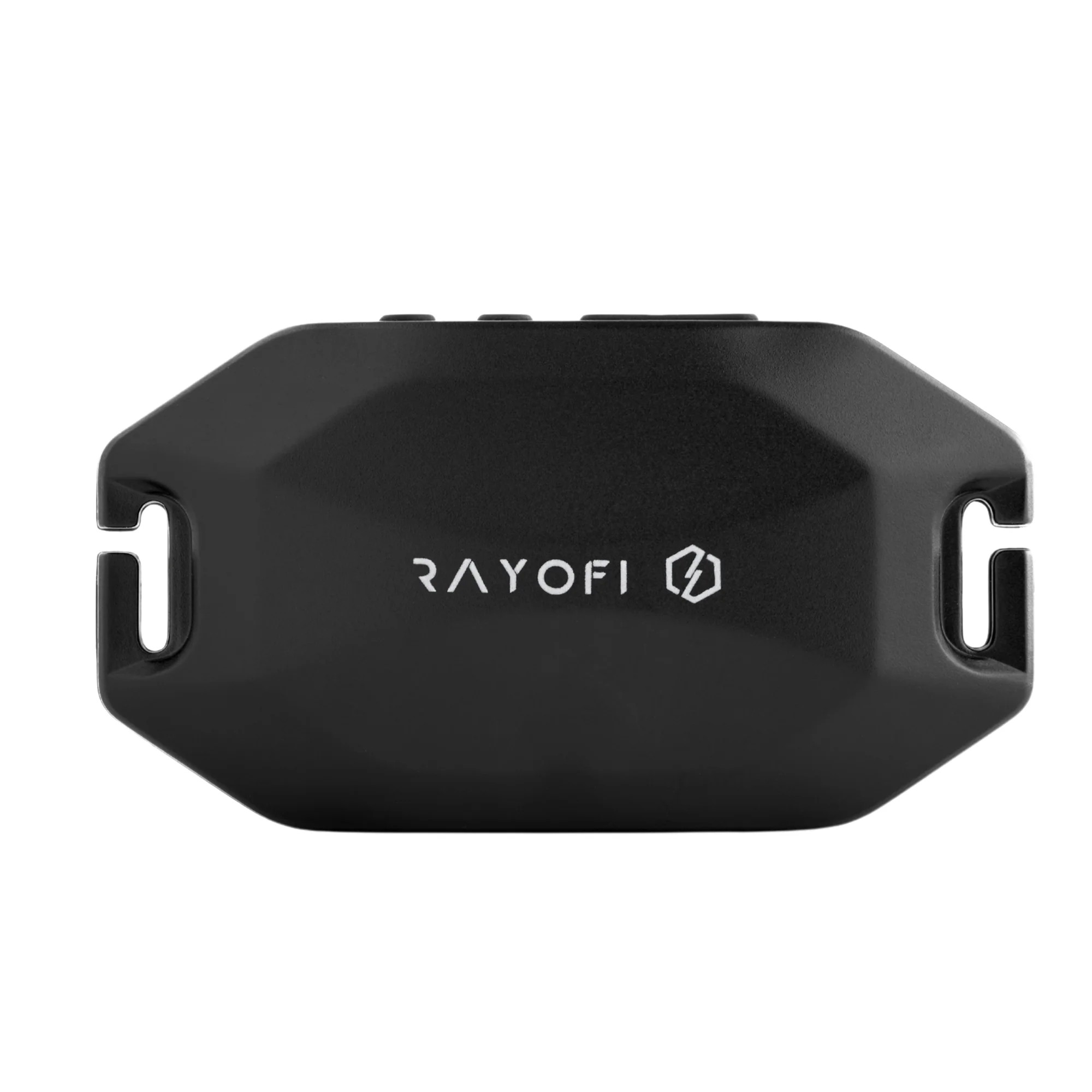
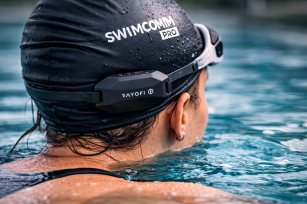
The Swimcomm Pro, though, immediately feels more versatile and has a different form factor. The “headset” are a single block that your put under your swim hat or secure with the provided band.
You can still run full coaching sessions with the T6 transmitter, exactly like the standard SwimComm. But you’re no longer dependent on it.
With built-in 32GB storage for audio files, FM radio, and multiple audio modes, it becomes an all-in-one swim system — coaching tool and solo training device. That’s makes it a true two in one device.
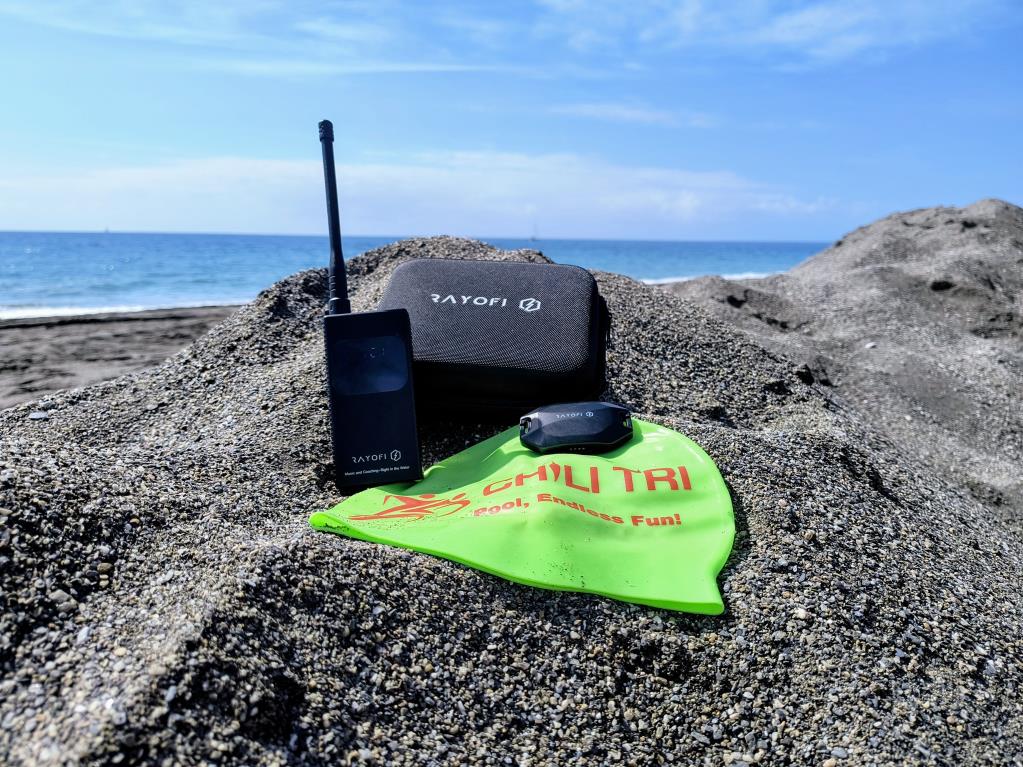
Swimcomm Pro plus T6 transmitter on the beach in Torre del Mar, Spain
Get your FREE Open Water Swimming Sessions E-Book
SwimComm Pro – What do you Get?
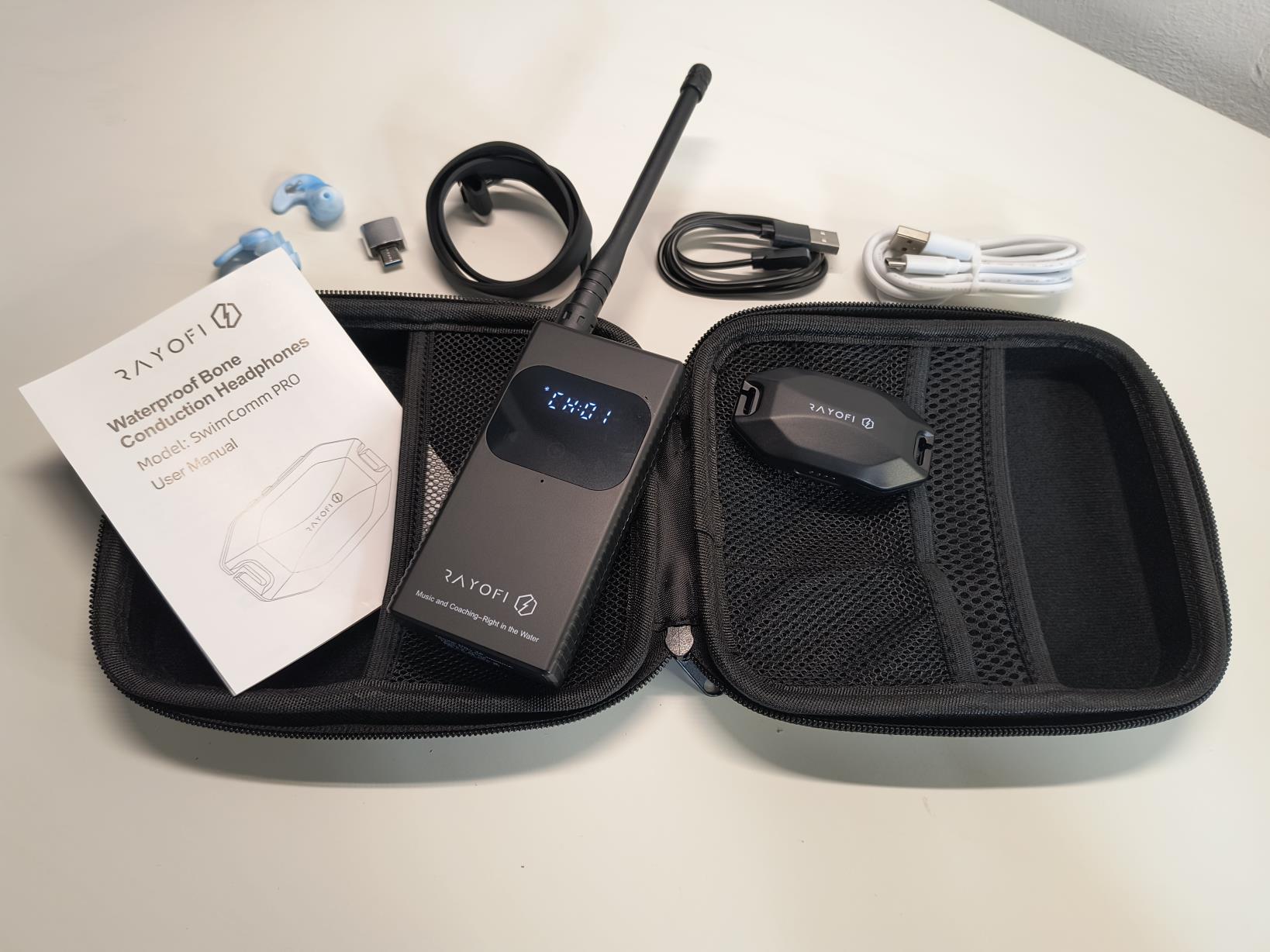
The SwimComm Pro is packaged in a robust case just like the original version which is ideal to keep everything safe – even poolside. There’s also enough room for a swim hat and goggle and maybe even a classic coaches stopwatch.
SwimComm Pro contents:
- SwimComm Pro bone conduction headset
- T6 Transmitter
- Ear plugs
- USB Charge cable
- USB C to USB adapter
- User guide
Price: €216 / £160.50 / $214
Website: www.Rayofi.com
You can see everything you get in the unboxing video below:
SwimComm Pro Unboxing Video
Get your FREE Swim Workouts for Triathletes E-book
Endless Pool Testing: Coaching Is Still King
In an Endless Pool, both systems deliver the same core features:
- Real-time coaching via the T6 transmitter.
- You can correct stroke timing, breathing, pacing — instantly.
And the SwimComm Pro doesn’t lose that at all.
Where it differs is what happens around that coaching.
With the SwimComm, sessions tend to feel very coach led. Structured, focused, a one-to-one lesson.
With the Pro, you’ve got options. You can coach live and then switch to a block where the swimmer works independently with music or pacing cues (metronome - more on that later) and can then go back into coaching again. That flexibility is something I found myself using more than expected.
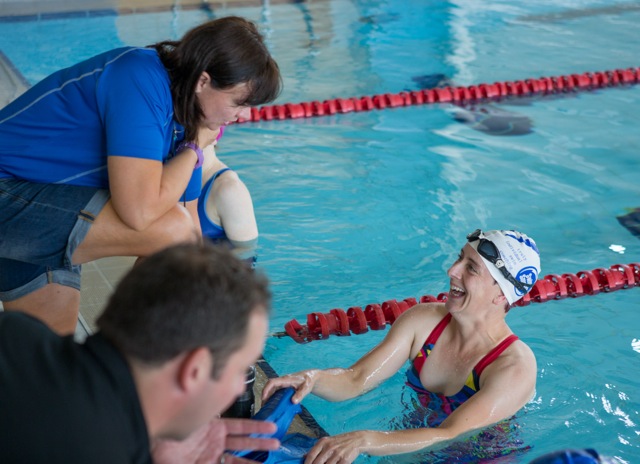
Coach Karen swim coaching in a 25m pool
Get your FREE Swim Workouts for Triathletes E-book
Open Water: This Is Where the SwimComm Pro Pulls Ahead
With the SwimComm, you’re still tied to the T6 transmitter. The range is 100 meters (approximately 330 feet) so the coach needs to stay relatively close to the swimmers. That works fine in controlled environments — kayak support, safety sessions, close coaching — but it’s not something you’ll naturally use on a solo sea swim.
The Pro changes that completely because you can:
- Swim with offline music (no phone, no transmitter just the built in MP3 player)
- Still use the T6 when coaching is needed
- Switch between modes depending on the session
That makes it far more practical for triathletes and coaches.
You’re not choosing between “coached session” and “solo swim” anymore — you’ve got both in one device.
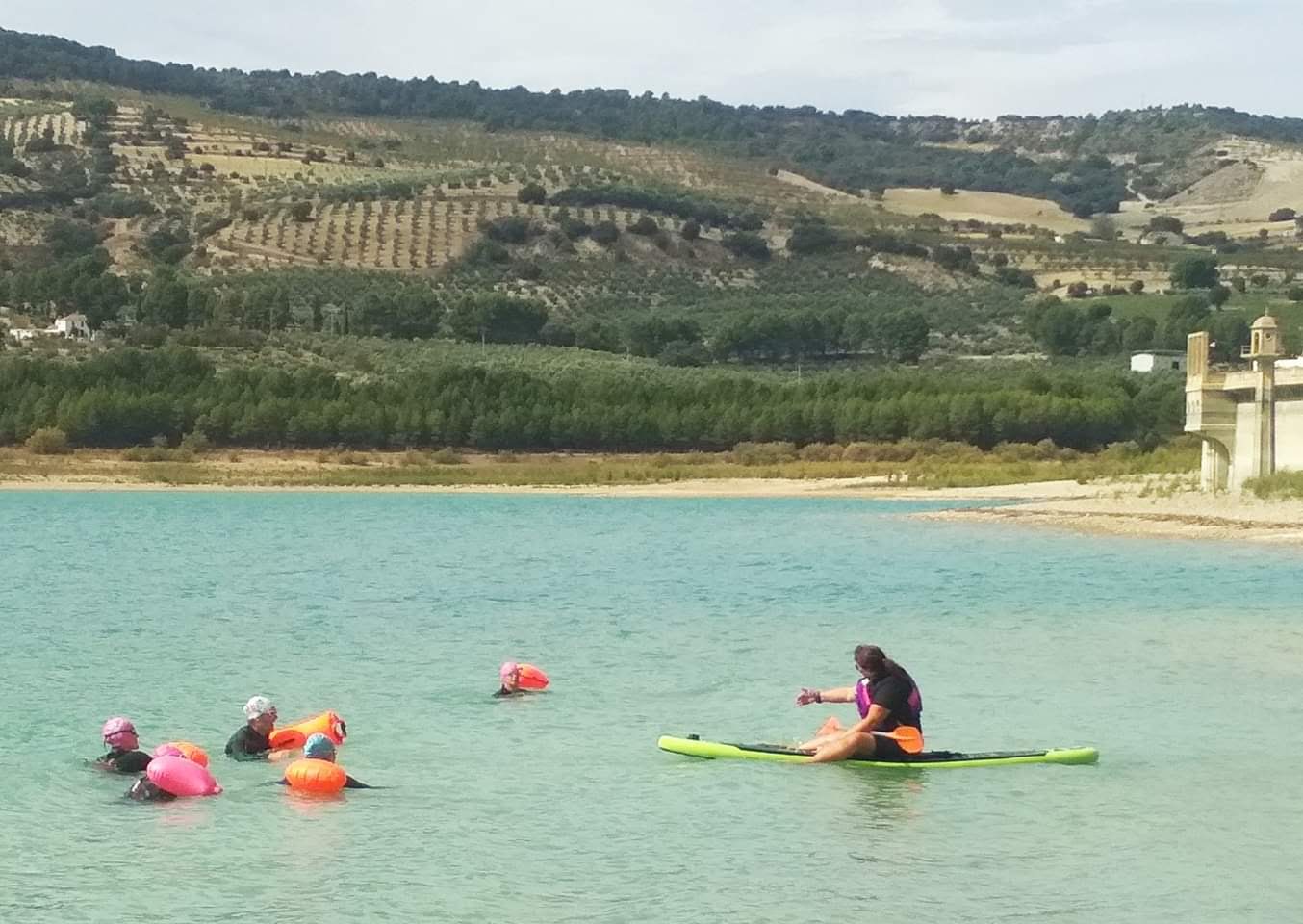
Coach Karen open water swim coaching on Lake Bermajalas, Spain
Get your FREE Open Water Swimming Sessions E-Book
What You Notice As a Swimmer - SwimComm verus SwimComm Pro
The Swimcomm feels slightly less flexible, it does its job and does it well but the Swimcomm Pro adds more options.
It’s smaller, easily held under your swimming cap, and you’re not always thinking about setup. You just swim. You can even tumble turn with it!
The table below compares the features of the original SwimComm and the SwimComm Pro to help you decide which product is rigth for you.
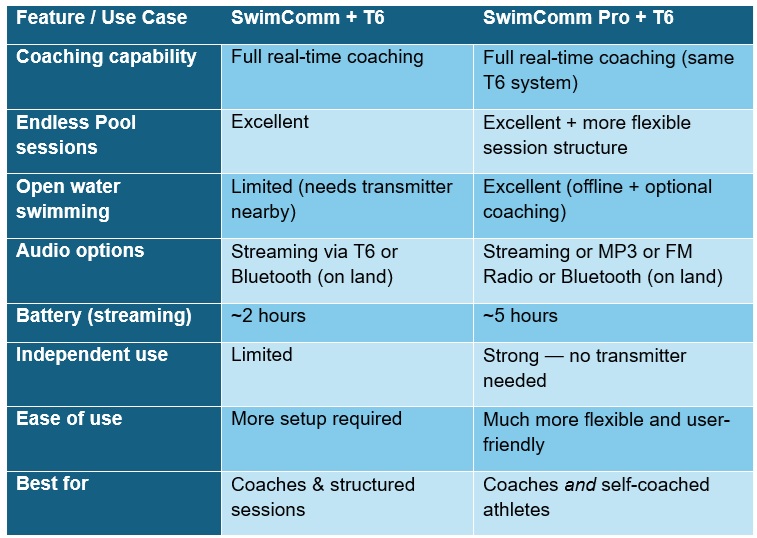
Table detailing the differences between the original SwimComm and SwimComm Pro
Get your FREE Swim Workouts for Triathletes E-book
My Observations and Tips: SwimComm Pro
Positioning the SwimComm Pro “Headset”
Finding the right location for the SwimComm Pro headset is trial and error and it may be at the back of your head or on the side, whatever is comfortable and gives you the right audio level. I did find I had to get used to it plus sometimes the audio was not very loud, so I had to change the location of the unit mid swim. To improve the audio volume you can also use the ear plugs that are included in the kit.
The unit is not like standard headphones so if you do want to use them on dryland to stream music direct from your phone via Bluetooth you will need to wear under a hat or with the strap which may look a bit strange on the bus!
Using the MP3 Play as a Stroke Rate Metronome
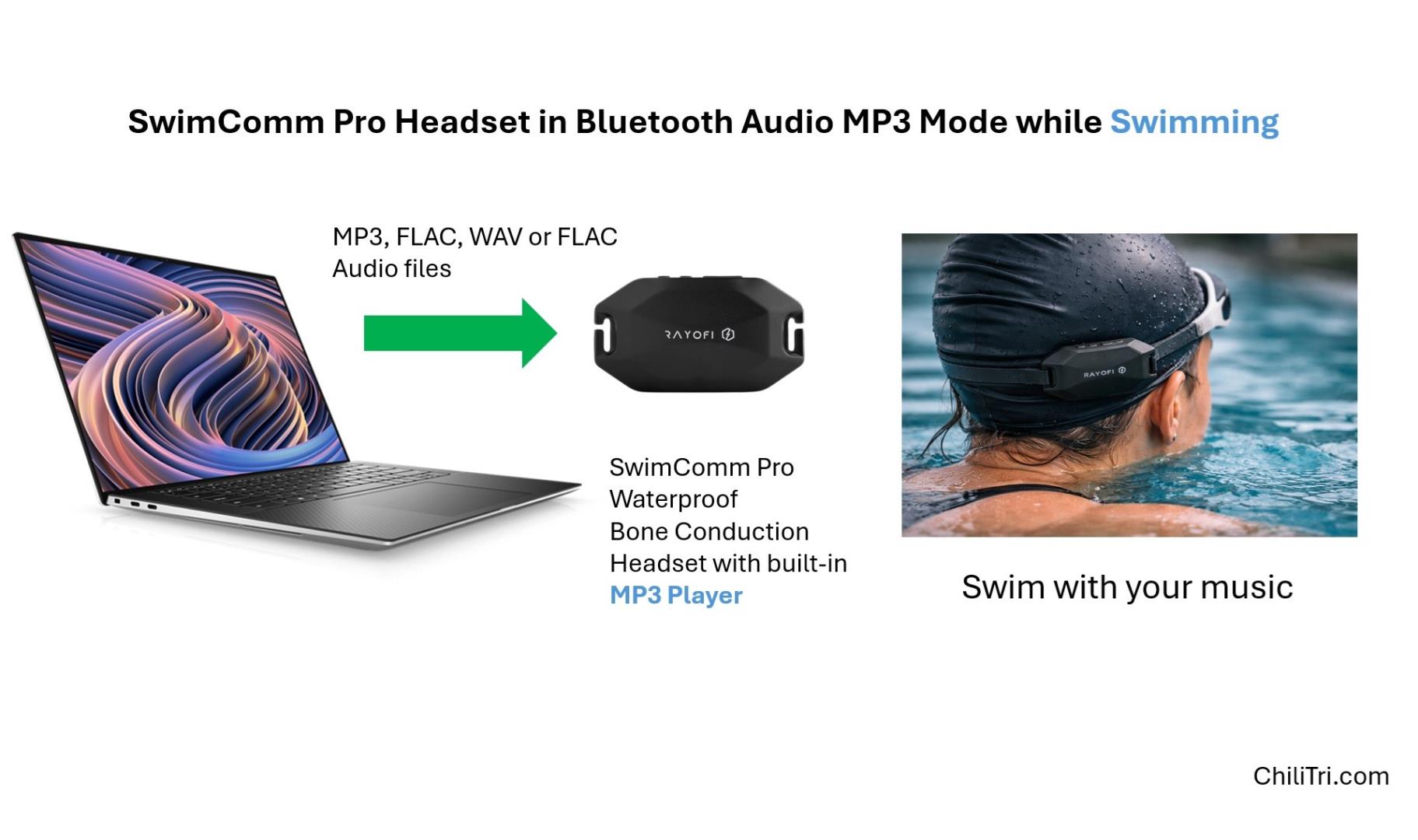
I did find a useful way to use the MP3 play mode by loading on stroke rate MP3 files making the device a stroke rate metronome. I created 5-minute tracks with specific stroke rates e.g. 50, 60, 70, 75, 80 etc and then loaded them on the SwimComm Pro unit. I could then select the one I wanted to target in that session or part of session. You can create the tracks on the Reuneker website. Note that you can also use this to improve your run cadence.
You simply connect the SwimComm Pro unit to your PC using the USB cable supplied and drag and drop the MP3 files to the SwimComm Pro. This is the same method for MP3 music files but note that you can’t simply put Spotify or Apple music file downloads on directly, you will need to convert them to MP3 files using a converter like Spowload.cc. The MP3 player can play MP3, FLAC, APE and WAV music flies.
Use Music With Known BPM (Maybe More Enjoyable?)
Swimming to the music beat may end up being what you prefer long-term. Instead of a metronome “beep,” you use music at a specific tempo.
You can build playlists at fixed BPM (e.g. 160–180 for running) because it helps maintain cadence consistently.
For swimming:
- Slower tracks → long, controlled strokes
- Faster tracks → higher stroke rate
It’s less precise than a metronome, but much more enjoyable over longer sessions.
What BPM Should You Use for Swimming?
You’re not matching steps like running — you’re matching stroke cycles or arm entries.
Rough starting points:
- Easy / technique: 50–55 BPM
- Steady aerobic: 55–65 BPM
- Threshold / race pace: 65–75 BPM
- Sprint / turnover work: 75+ BPM
One beep = one arm entry (or one full stroke cycle depending how you use it)
I did notice that with the Swimcomm Pro at full volume playing music with a lot of bass the unit vibrated. This can take a little time to get used to.
Get your FREE Open Water Swimming Sessions E-Book
Which SwimComm Should You Choose?
If you’re mainly coaching, especially in a pool or Endless Pool environment, the original SwimComm still does everything you need. It’s reliable, effective, and focused. You can also use the headphones as standard headphone more easily and wear them conventionally i.e. as warp around headphones.
But the SwimComm Pro gives you more:
- It removes the limitation of when and how you can use it.
- You can coach, train solo plus you can take it into the sea without changing your setup.
Final Thoughts and Conclusion
Here’s my honest takeaway after testing both:
- The original Swimcomm introduced a better way to coach
- The Swimcomm Pro expands that into a complete training system
If you’re purely coaching and prefer standard wraparound headphones, the original SwimComm still makes sense.
But if you’re a triathlete, or a coach who also swims regularly, the SwimComm Pro is the one you will probably end up using more. With the SwimComm Pro you get music streaming, coaching without shouting plus listening to music and podcasts wherever you are. You can even use it as a swimming metronome to get your stroke rate where you want it to be.
Karen Parnell is a Level 3 British Triathlon and IRONMAN Certified Coach, 8020 Endurance Certified Coach, WOWSA Level 3 open water swimming coach, and NASM Personal Trainer and Sports Technology Writer.
Karen has a postgraduate MSc in Sports Performance Coaching from the University of Stirling.
Need a training plan? I have plans on TrainingPeaks and FinalSurge:
I also coach a very small number of athletes one-to-one for all triathlon and multi-sport distances, open water swimming events, and running races. Email me for details and availability. Karen.parnell@chilitri.com
Get your FREE 23-Page Athletes' Guide to Strength and Conditioning
Get your FREE Guide to Running Speed and Technique
Get your FREE 31 Structured Cycling Sessions and Training Plan
Get your FREE Swim Workouts for Triathletes E-book
Download your FREE Get Rowing on Zwift Workouts
SwimComm Pro FAQ
Can you still get real-time coaching with the SwimComm Pro?
Yes , the Pro still works with the T6 transmitter, so you get the same live, push-to-talk coaching as the SwimComm.
Do you need the transmitter every time you swim?
No, you can use it completely independently with stored music or audio. The transmitter becomes something you use when you want coaching or music streaming, not something you always need.
How easy is it to put music onto the device?
Very straightforward. You plug it into your computer, drag and drop MP3 files onto the headeset folder. No apps, no syncing issues — which, from a practical point of view, is a big win.
Is it better for pool or open water?
Both — but in different ways.
In the pool (especially an Endless Pool), it’s excellent for coached sessions or for music streaming.
In open water, it’s much more usable than the standard SwimComm because you’re not dependent on the transmitter as you can listen to music or metronome beats local to the device.
Can you hear clearly while swimming?
Yes, particularly for voice. Music is good, but the real strength is clarity of instructions or rhythm. Using earplugs improves the experience significantly.
Is it worth upgrading from the standard SwimComm?
If you only ever use it for coached pool sessions, probably not essential.
But if you also swim solo or in open water, then yes — the added flexibility makes a noticeable difference.
Is this more for coaches or athletes?
The standard SwimComm leans more toward coaches. The Pro sits right in the middle — equally useful for coached sessions and independent training.