
The Norwegian Singles Method: A Smarter Way to Train for Running, Triathlon & Long-Term Fitness
 Karen Parnell
December 31, 2025
Karen Parnell
December 31, 2025
The Norwegian Singles Method: A Smarter Way to Train for Running, Triathlon & Long-Term Fitness
Over the past decade, Norwegian endurance athletes have rewritten the training playbook. Their success isn’t just about doing more work — it’s about doing the right work precisely and consistently. The result has influenced a new approach for age-groupers known as the Norwegian Singles Method: a refined endurance training philosophy that prioritizes controlled intensity, aerobic density, and sustainable progression.
This article explains:
- What the Norwegian Singles Method really is
- How it compares with traditional Norwegian endurance models and 80/20 training
- Key figures and influences in this field
- Benefits for runners, triathletes, and off-season training
- Who this method works best for
- How it’s applied in my structured plans on Final Surge
If you prefer to listen to Blogs you can listen to it here:

Get your FREE Guide to Running Speed and Technique
What Is the Norwegian Singles Method?
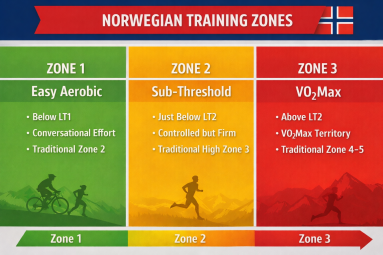
The Norwegian Singles Method grew out of the same scientific foundation that underpins high-level training in Norway — where sub-threshold work, heart-rate discipline, and controlled progression are central. The term “singles” refers to performing single quality sessions at or just below Lactate Threshold 2 (LT2) rather than doubling up intense workouts (doubling being more common in elite programs).
This method emphasizes:
- Frequent, controlled sub-threshold training
- High volume of easy (Zone 1) aerobic work
- Strict heart rate / power caps using LT2
- Minimal, strategic inclusion of higher intensity
- Consistency over hero workouts
Instead of chasing intensity, you accumulate quality time at the right intensity — scientific, sustainable, and repeatable.
Why The Norwegian Singles Method Gained Attention: Influencers & Evidence
Marius Bakken & Norwegian Sports Science
Former elite Norwegian runner Marius Bakken has been a prominent voice in translating Norwegian endurance training for broader audiences. Through interviews and collaborations, Bakken has highlighted how Norwegian runners cultivate aerobic strength with controlled threshold work and careful intensity distribution — not through endless tempo miles or frequent high anaerobic stress.
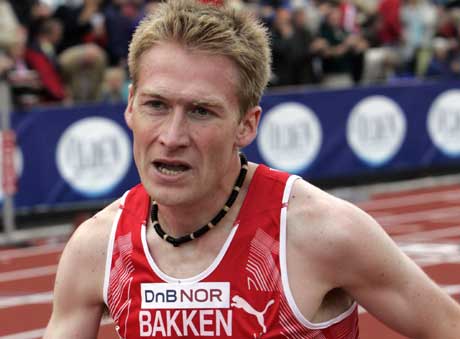
Marius Bakken, runner and consider the "The Godfather" of the Norwegian Method
Stephen Seiler & Intensity Distribution Research
Long-time endurance coach and researcher Stephen Seiler has helped quantify why this works. Seiler’s research on polarization and intensity distribution shows that most performance gains come from either very easy (below LT1) or controlled threshold training — with too much moderate intensity (“grey zone”) leading to fatigue without adaptation.
Kristian Blummenfelt & Olav Aleksander Bu
Elite triathletes like Kristian Blummenfelt, coached by Olav Aleksander Bu, have brought Norwegian endurance philosophy to triathlon success on the world stage, including Olympic medals and Ironman performances. Blummenfelt’s training diaries reveal how controlled intensity and aerobic focus play into swim-bike-run balance — a core principle of the Norwegian approach.

Kristian Blummendfelt high altitude training, Sierra Nevada, Spain
Get your FREE 31 Structured Cycling Sessions and Training Plan
“Norwegian Method” by Brad Culp
Published in 2024, Norwegian Method: The Culture, Science & Humans Behind the Groundbreaking Approach to Elite Endurance Performance by Brad Culp has become the first book to tell Norway’s training story comprehensively. Culp blends culture, science, and athlete/coach interviews to explain how Norwegian endurance training evolved — and why restraint and consistency matter more than ever.
These voices show that the Norwegian approach is not a fad — it’s grounded in science and decades of high-performance practice.
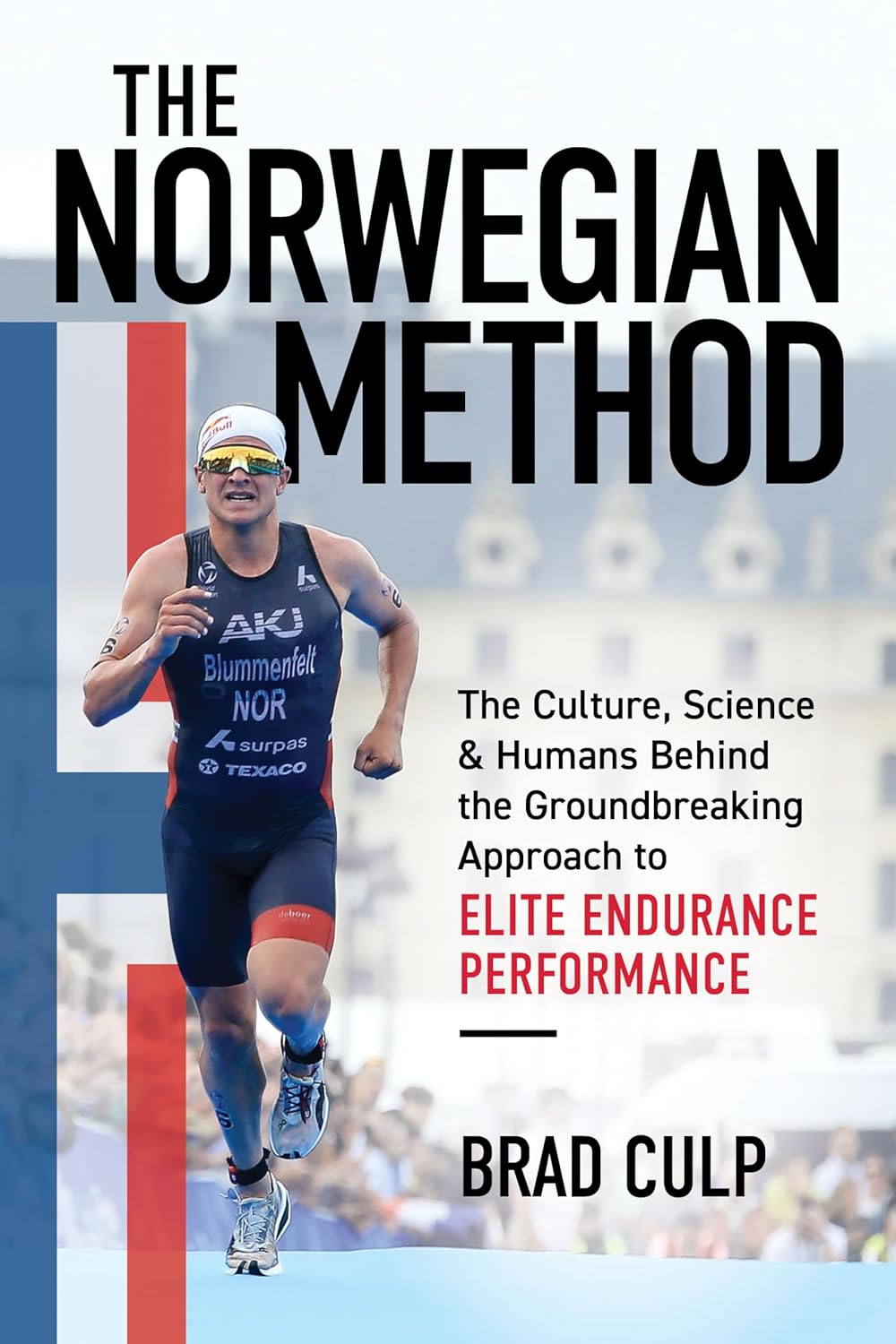
The Norwegian Method book by Brad Culp
Get your FREE Guide to Running Speed and Technique
From Elite Theory to Age-Group Practice
Much of what we now associate with Norwegian endurance training has been shaped by elite environments — from the research-informed approaches discussed by Marius Bakken to the applied coaching systems developed by Olav Aleksander Bu and executed by athletes such as Kristian Blummenfelt. These systems often involve high training frequency, precise intensity control, and — at the elite level — tools such as lactate testing and double-threshold days.
For age-group athletes, however, the challenge has never been understanding what the Norwegians do — it has been figuring out how to apply those principles realistically alongside work, family, and limited recovery time.
That gap between elite theory and real-world practice has been discussed for several years. In fact, well before the term “Norwegian Singles Method” became popular, coaches and athletes were already experimenting with simplified, sustainable adaptations. One example is the blog “How to Train Like a Norwegian – A Practical Approach for Age Group Triathletes,” which explored how key Norwegian principles — strict intensity control, emphasis on sub-threshold work, and consistency over hero sessions — could be applied effectively without elite volume or laboratory testing.
This practical interpretation is exactly where the Norwegian Singles Method sits today. It keeps the physiological intent of the Norwegian system — frequent work just below LT2, supported by large amounts of easy aerobic training — while removing the elements that make the elite model unrealistic for most athletes. Instead of double threshold days, athletes perform single, well-controlled quality sessions that are repeatable week after week.
The result is a method that:
- Preserves the science behind Norwegian success
- Respects the realities of age-group life
- Prioritizes long-term durability over short-term exhaustion
This philosophy now underpins modern applications of Norwegian-inspired training for runners and triathletes alike, and forms the foundation of the structured Norwegian Singles training plans available on Final Surge.
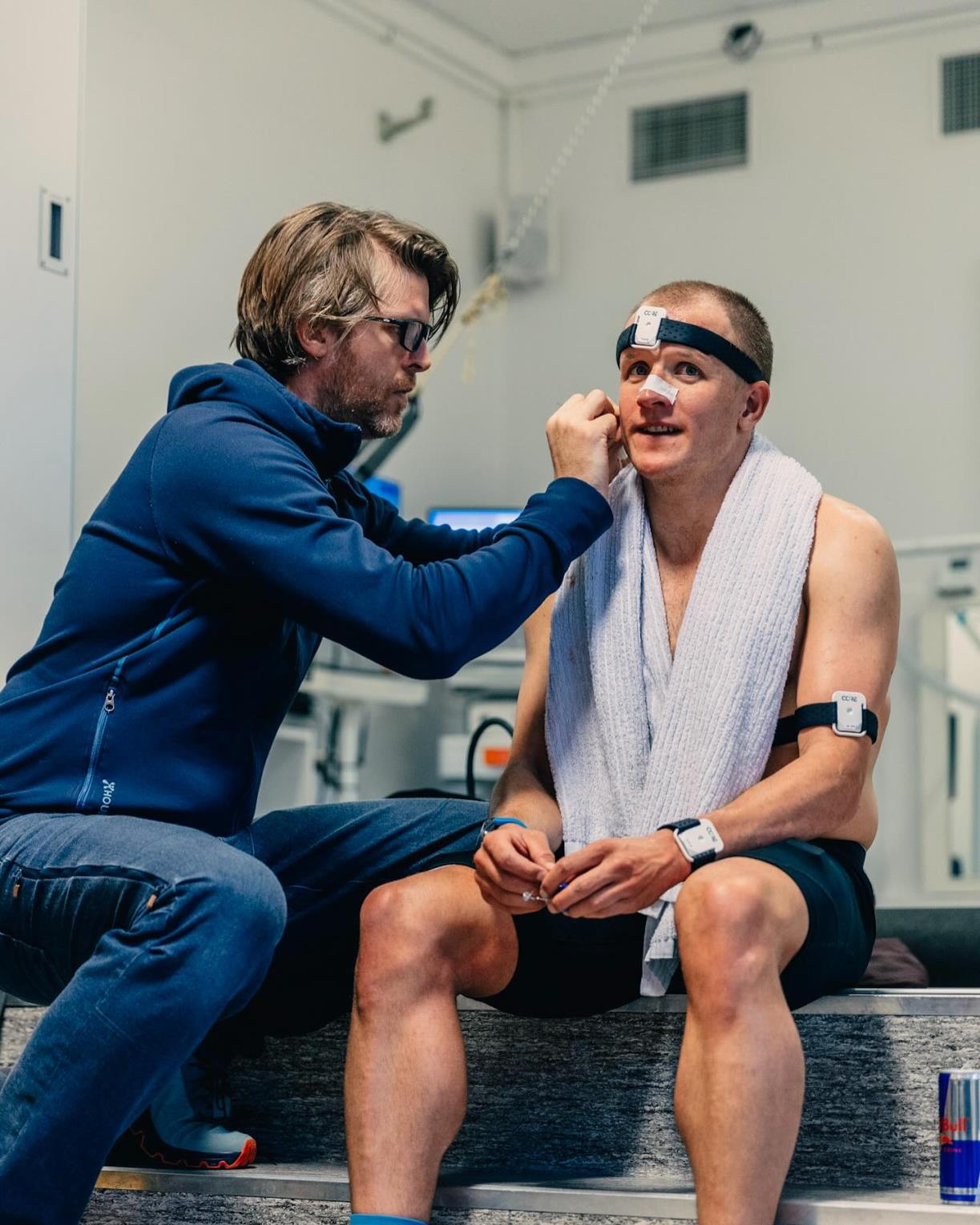
Kristian Blummenfelt and Olav Aleksander Bu completing Lactate Testing
Get your FREE Swim Workouts for Triathletes E-book
Norwegian Singles vs 80/20 vs Traditional Norwegian Training
Many athletes are familiar with either 80/20 training or elite Norwegian systems—this comparison shows where the Norwegian Singles Method sits between the two.
Traditional Norwegian Endurance Training
- Often involves double threshold sessions
- Used by elite runners (e.g., Ingebrigtsen brothers)
- Requires high recovery capacity
Pros: Very specific stimulus
Cons: Not easily accessible to time-limited athletes who may not have lactates testers and access to high altitude training etc
80/20 Endurance
When comparing the Norwegian Singles Method with other common endurance frameworks, 80/20 Endurance is often the most familiar reference point. As a certified 80/20 Endurance coach with training plans built on this methodology on both TrainingPeaks and Final Surge, the summary below reflects how the model is typically applied in practice.
Popularized by Matt Fitzgerald, the 80/20 endurance methodology focuses on:
• ~80% easy training
• ~20% moderate to hard
Pros: Simple, easy-to-apply intensity distribution
Cons: Threshold development is less central than in Norwegian-style approaches
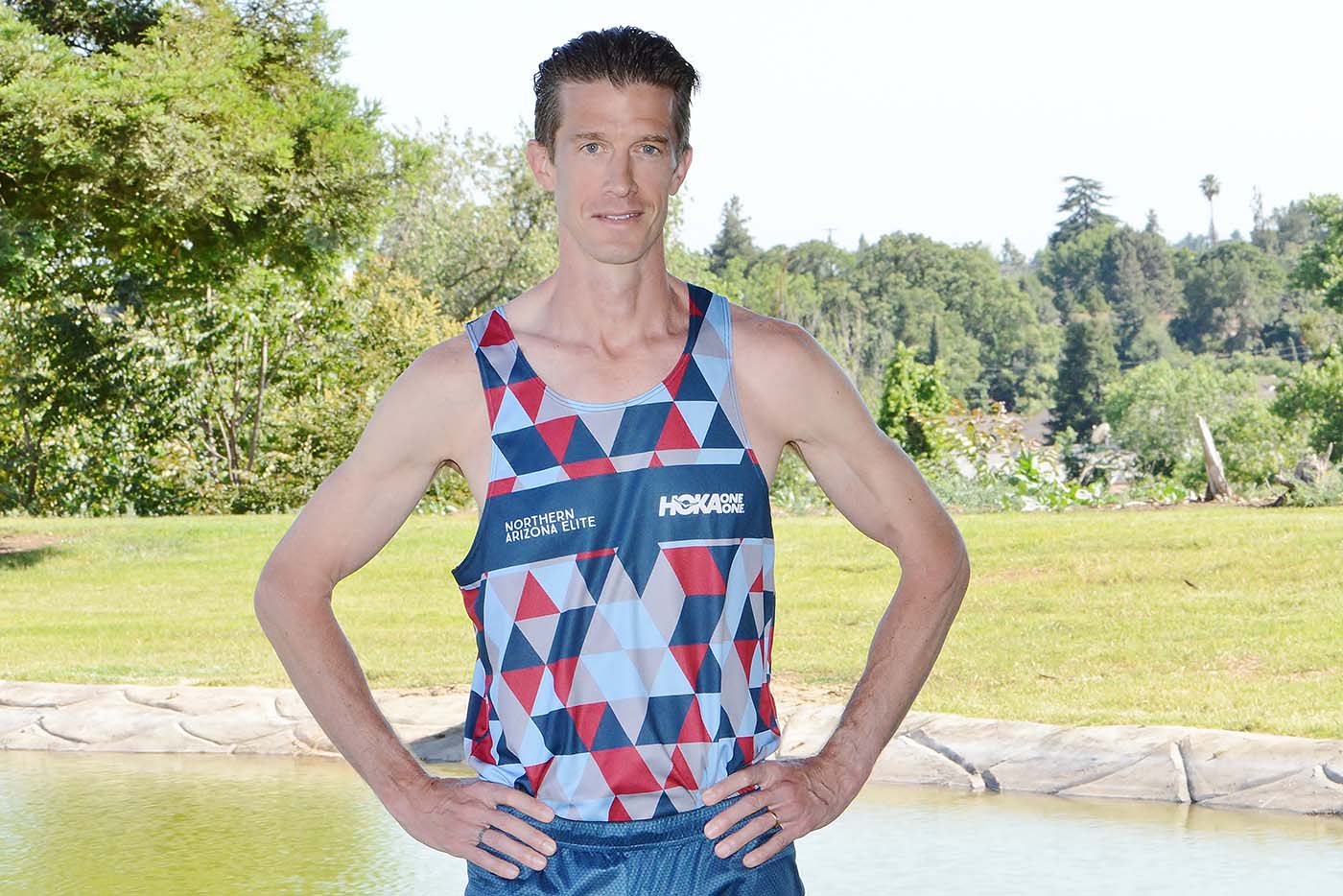
Matt Fitzgerald, athlete, coach, writer and co-founder of 80/20 Endurance
Get your FREE Open Water Swimming Sessions E-Book
Norwegian Singles Method
- Sub-threshold work (LT2−) as core stimulus
- Easy aerobic work prioritized
- Intensity strictly controlled
- Occasional high intensity used strategically
Pros: Balanced, repeatable, low injury risk
Cons: Requires discipline and good monitoring
Why the Norwegian Singles Method Works
The effectiveness of the Norwegian Singles Method lies not in harder training, but in precise control of intensity, volume, and fatigue over time. Understanding why it works requires looking at how intensity, volume, and recovery interact to drive long-term endurance adaptation.
1. Maximal Aerobic Benefit with Minimal Damage
LT2-centric training improves aerobic capacity widely associated with performance in events from 5K to Ironman.
2. Controlled Intensity Prevents Overreach
By defining clear heart rate or power caps, the method avoids the “gray zone” bustle that accumulates fatigue with little adaptation.
3. Repeatable Quality
Repeatable sessions build cumulative adaptation far better than sporadic high-intensity workouts that require long recovery.
4. Psychological Ease
Athletes become proficient at controlled efforts, reducing fear of training and increasing confidence on race day.
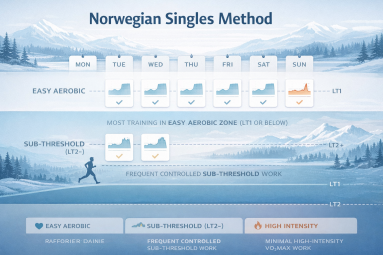
How the Norwegian Singles Method Applies to Running
To see how the Norwegian Singles Method works in practice, it’s helpful to look at how it’s applied within a structured training plan. The following section outlines how these principles are organised into a 12-week running programme designed to improve performance while managing fatigue and maintaining consistency.
In my 12-week Norwegian Singles 10K PB Plan on Final Surge, runners:
- Train 4–5 days/week with HR or power guidance
- Complete 2–3 controlled sub-threshold sessions/week
- Emphasize large volumes of easy aerobic running
- Include strategic strength and mobility
- Build toward race preparedness while avoiding burnout
This structure:
- Enhances running economy
- Improves sustainable race pace
- Reduces training injuries
- Builds confidence and consistency

An example of a Norwegian Singles Plan on Final Surge
Get your FREE Guide to Running Speed and Technique
How the Norwegian Singles Method Applies to Triathlon
Triathletes face the challenge of balancing three disciplines without escalating stress. The Norwegian Singles Method is a perfect match because it:
- Boosts aerobic capacity across swim, bike, and run
- Allows high-quality stimulus without excessive fatigue
- Integrates strength work without interfering with priority sessions
- Makes high weekly frequency sustainable
For example:
- Swim threshold repeats under HR control
- Bike sub-threshold power work instead of relentless tempo
- Easy runs stay truly easy
- VO₂max appears rarely and only when purposeful
This is the philosophy behind upcoming Norwegian Singles–inspired triathlon plans on Final Surge.
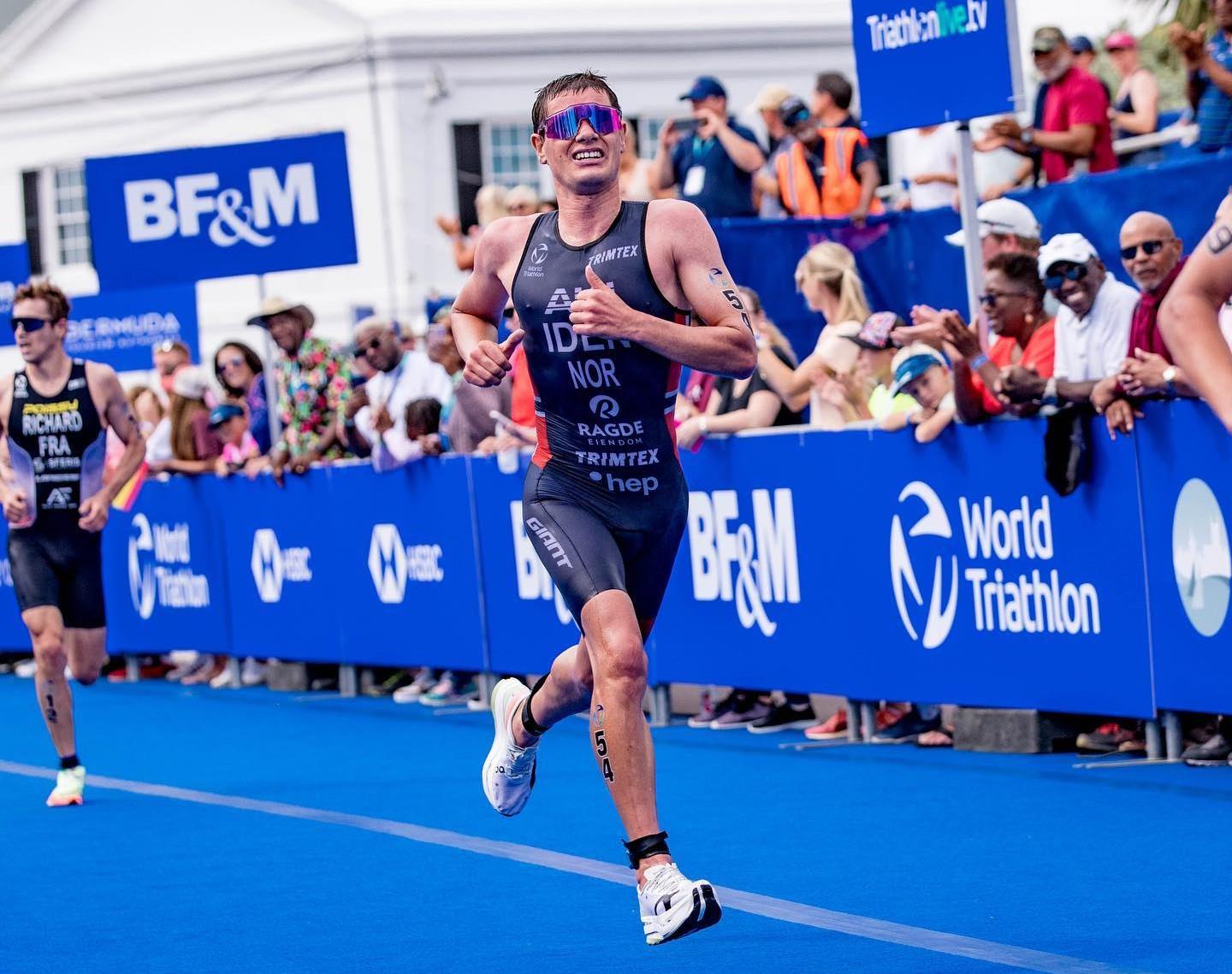
Gustav Iden, Norwegian triathlete and known as the Jester
How the Norwegian Singles Method Applies to Off-Season / Maintenance
The Norwegian Singles Method isn’t only for build phases — it’s excellent for:
- Off-season aerobic maintenance
- Longevity and injury prevention
- Strength and mobility focus
- Keeping fitness without burnout
In maintenance phases, you keep:
- LT2 sessions once or twice a week
- Most runs in easy zones
- Strength and movement quality prioritized
The result? You preserve and even improve fitness with low stress.

Photo by Ketut Subiyanto
Get your FREE 23-Page Athletes Guide to Strength and Conditioning
Who The Norwegian Singles Method Is Best For
This approach suits athletes who:
- Want sustainable improvement
✔Prefer consistency over extremes
✔Care about longevity and injury prevention
✔Have demanding life schedules
✔ Compete across events (running + triathlon)
It is less ideal for:
- Absolute beginners with no aerobic base
- Athletes who crave constant intensity
- Those who do not monitor effort (HR/power/RPE)
Conclusion
The Norwegian Singles Method represents a powerful evolution in endurance training — one that reconciles elite principles with real-world training realities.
Rooted in hard science, refined by world-class athletes like Kristian Blummenfelt, and presented in works like Brad Culp’s Norwegian Method, this approach teaches a simple truth:
Train just hard enough, often enough, to build fitness without breaking yourself.
Whether you’re chasing a 10K personal best, balancing triathlon training, or maintaining fitness through the off-season, Norwegian Singles offers a structured, sensible roadmap.
If you’re ready to train smarter and race stronger — without stress and burnout — explore my Norwegian Singles 10K PB plan on Final Surge, and stay tuned for future triathlon and maintenance training plans.
Karen Parnell is a Level 3 British Triathlon and IRONMAN Certified Coach, 8020 Endurance Certified Coach, WOWSA Level 3 open water swimming coach, and NASM Personal Trainer and Sports Technology Writer.
Karen has a postgraduate MSc in Sports Performance Coaching from the University of Stirling.
Need a training plan? I have plans on TrainingPeaks and FinalSurge:
I also coach a very small number of athletes one-to-one for all triathlon and multi-sport distances, open water swimming events, and running races. Email me for details and availability. Karen.parnell@chilitri.com
Get your FREE 23-Page Athletes Guide to Strength and Conditioning
Get your FREE Swim Workouts for Triathletes E-book
Get your FREE Open Water Swimming Sessions E-Book
Get your FREE Guide to Running Speed and Technique
References
- Bakken, Marius — Norwegian endurance coaching/athlete insights (interviews available online)
- Seiler, S., et al. — Research on intensity distribution and endurance training
- Culp, Brad (2024). Norwegian Method: The Culture, Science & Humans Behind the Groundbreaking Approach to Elite Endurance Performance
- Fitzgerald, Matt — 80/20 Running
- Blummenfelt, Kristian — World Triathlon athlete (race diaries/interviews)
- Olav Aleksander Bu — Triathlon coach (Blummenfelt)
- Ingebrigtsen training philosophies and Norwegian endurance practices
- Parnell, K. How to Train Like a Norwegian: A Practical Approach for Age Group Triathletes. ChiliTri. https://chilitri.com/blog/karenparnell01@hotmail.com/how-to-train-like-a-norwegian-a-practical-approach-for-age-groupers
Norwegian Singles Method – Athlete FAQ
1. What exactly is the Norwegian Singles Method?
The Norwegian Singles Method is an endurance training approach built around frequent, controlled sub-threshold sessions (just below LT2), supported by a large amount of genuinely easy aerobic work.
Unlike elite Norwegian systems that use double-threshold days, this method uses single, well-controlled quality sessions that are sustainable for real-world athletes.
2. How is this different from “just running easy most of the time”?
Easy running is essential — but on its own it often isn’t enough to improve race performance.
The Norwegian Singles Method adds:
- Regular LT2-focused sessions
- Strict intensity caps (HR, power, or RPE)
- High repeatability with low fatigue
You still run easy most days — you just make the quality days more precise.
3. Do I need lactate testing or lab equipment?
No.
While the original Norwegian model often uses lactate testing, the Singles approach is designed to work with:
- Heart rate
- Running power (e.g. Stryd)
- RPE (perceived effort)
Field tests and clear execution rules replace the need for lab testing.
4. Is this method only for elite athletes?
No — and that’s the point.
The double-threshold Norwegian system is best suited to professionals.
The Norwegian Singles Method is designed for:
- Time-limited athletes
- Age-group runners and triathletes
- Masters athletes
- Anyone who wants performance without burnout
It scales well because it prioritizes control over aggression.
5. Who is this method best suited for?
This method is ideal if you:
- Want consistent improvement without injury
- Struggle with overtraining or fatigue
- Prefer structure and clear intensity guidance
- Race from 10K through triathlon distances
- Care about long-term durability
It works especially well for athletes inspired by Norwegian systems used by athletes like Kristian Blummenfelt, but who train in the real world.
6. Who might not enjoy this approach?
You may not enjoy this method if you:
- Only enjoy maximal or all-out workouts
- Don’t like monitoring intensity
- Get bored by repetition
- Want constant pace or distance benchmarks
This approach rewards patience and discipline more than toughness.
7. Will I still get faster without lots of VO₂max workouts?
Yes.
Most endurance performance improvements come from:
- Aerobic development
- Improved efficiency at sub-threshold speeds
- Better fatigue resistance
VO₂max work is included sparingly and strategically, especially late in a cycle — but it’s not the foundation.
8. Does this work for triathlon, or just running?
It works extremely well for triathlon.
The Norwegian Singles Method:
- Transfers cleanly to swim, bike, and run
- Helps manage total system fatigue
- Makes high training frequency sustainable
This is why Norwegian-influenced triathlon coaching — including methods associated with Olav Aleksander Bu — emphasizes control and repeatability.
9. Can I use this method in the off-season or for maintenance?
Absolutely.
In the off-season, the method shifts from progression to maintenance and durability:
- Fewer sub-threshold sessions
- Stable volume
- More strength and mobility
- Low mental pressure
Many athletes maintain surprising fitness with very low stress using this approach.
10. Is this similar to 80/20 training?
They share similarities, but they are not the same.
- 80/20 minimizes threshold work
- Norwegian Singles prioritizes controlled threshold work
If 80/20 left you feeling fit but not race-sharp, Norwegian Singles often fills that gap.
11. Do I need to run a lot of mileage for this to work?
No — but consistency matters.
The method works across a range of volumes, provided:
- Easy days stay easy
- Threshold sessions stay controlled
- Frequency is maintained
It’s often safer at moderate mileage than many traditional plans.
12. Is strength training compatible with this method?
Yes — and it’s encouraged.
Because running intensity is controlled:
- Strength can be layered in safely
- Durability improves
- Injury risk drops
Most Norwegian-influenced systems integrate strength year-round.
13. Where can I learn more about the Norwegian approach?
A good starting point is the book by Norwegian Method by Brad Culp, which explores the culture, science, and people behind Norwegian endurance success, alongside insights from athletes, coaches, and researchers.
14. How are your training plans built around this method?
My training plans on Final Surge apply Norwegian Singles principles by:
- Anchoring intensity to LT2
- Using time-based, HR-controlled sessions
- Building repeatable weekly structure
- Including recovery and absorption weeks
- Supporting long-term progress, not short-term heroics
They are designed to help you train smarter, not just harder.