
Master Open Water Swimming: Get Your Free Guide Now!
 Karen Parnell
March 04, 2025
Karen Parnell
March 04, 2025
Master Open Water Swimming: Get Your Free Guide Now!
Open water swimming is one of the biggest challenges for triathletes. Unlike the controlled environment of a pool, open water brings waves, currents, other swimmers, and sometimes even a bit of panic! If you’ve ever struggled with sighting, pacing, or confidence in open water, you’re not alone. But the good news? You can master it with the right training.
That’s why we created ‘Swim Workouts for Open Water’—a FREE e-book designed specifically for triathletes who want to improve their skills and build confidence in open water. You can download it here: Free Open Water Swim Workouts Guide for Triathletes
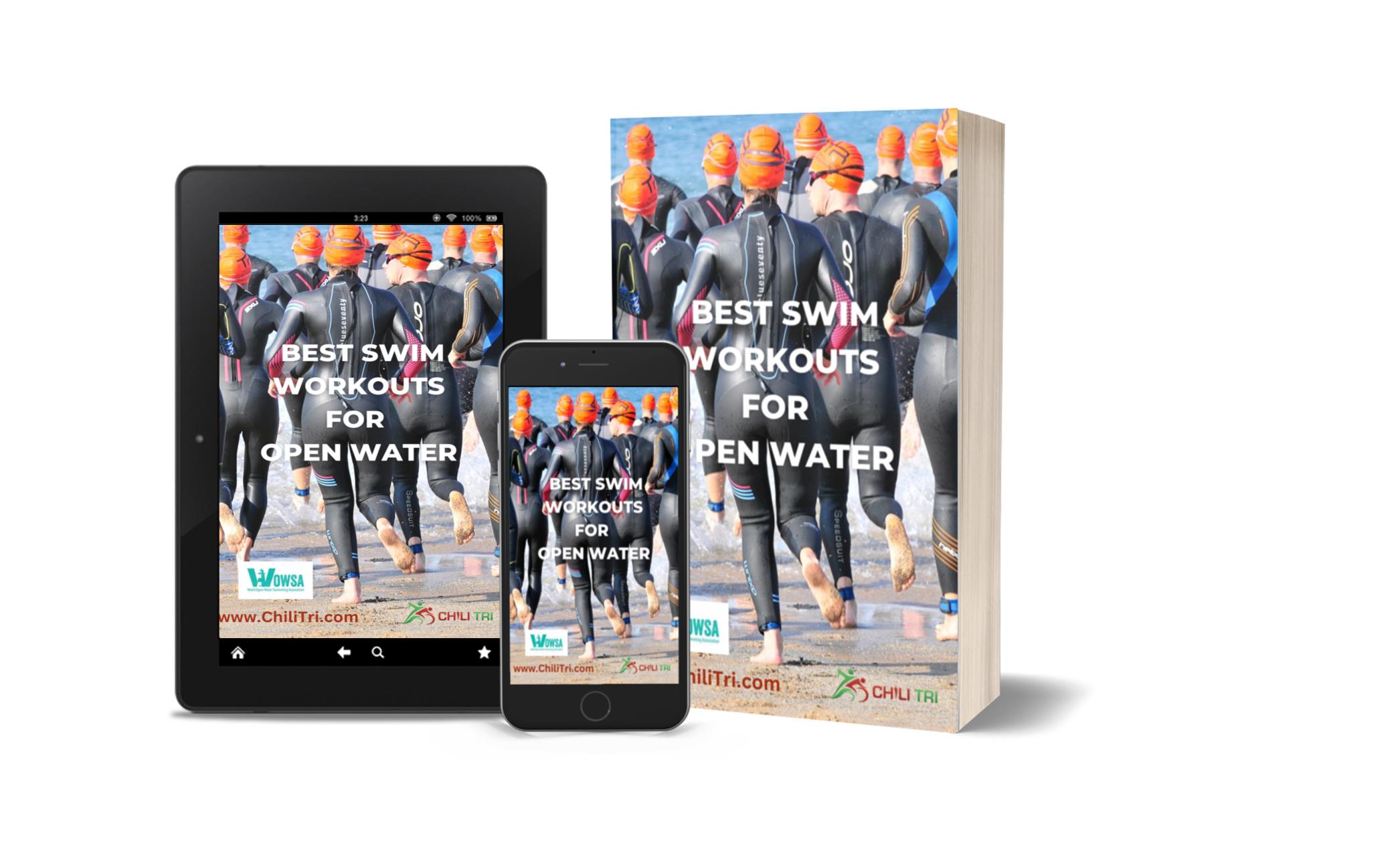
What's Inside the Free Swim Workouts for Open Water E-Book?
Do you get to the lake or sea and lack focus and direction? Do you end up just doing lap after lap, hoping to see improvement? To help you train with purpose, I’ve put together some of my favourite open water and pool swim workouts designed to enhance your swimming for triathlon and open water challenges.
This e-book contains 20 structured swim sessions of varying lengths and focuses, specifically crafted to develop your freestyle (front crawl) stroke. It also includes expert tips on improving technique and efficiency in the water. The workouts are split into categories, so you can target different areas of your swim training:
- Speed
- Power
- Endurance
- Technique
- Recovery
- Test Sets
- Open Water-Specific Drills
- Pool Open Water (POW) Training
- Tethered Swim Sessions
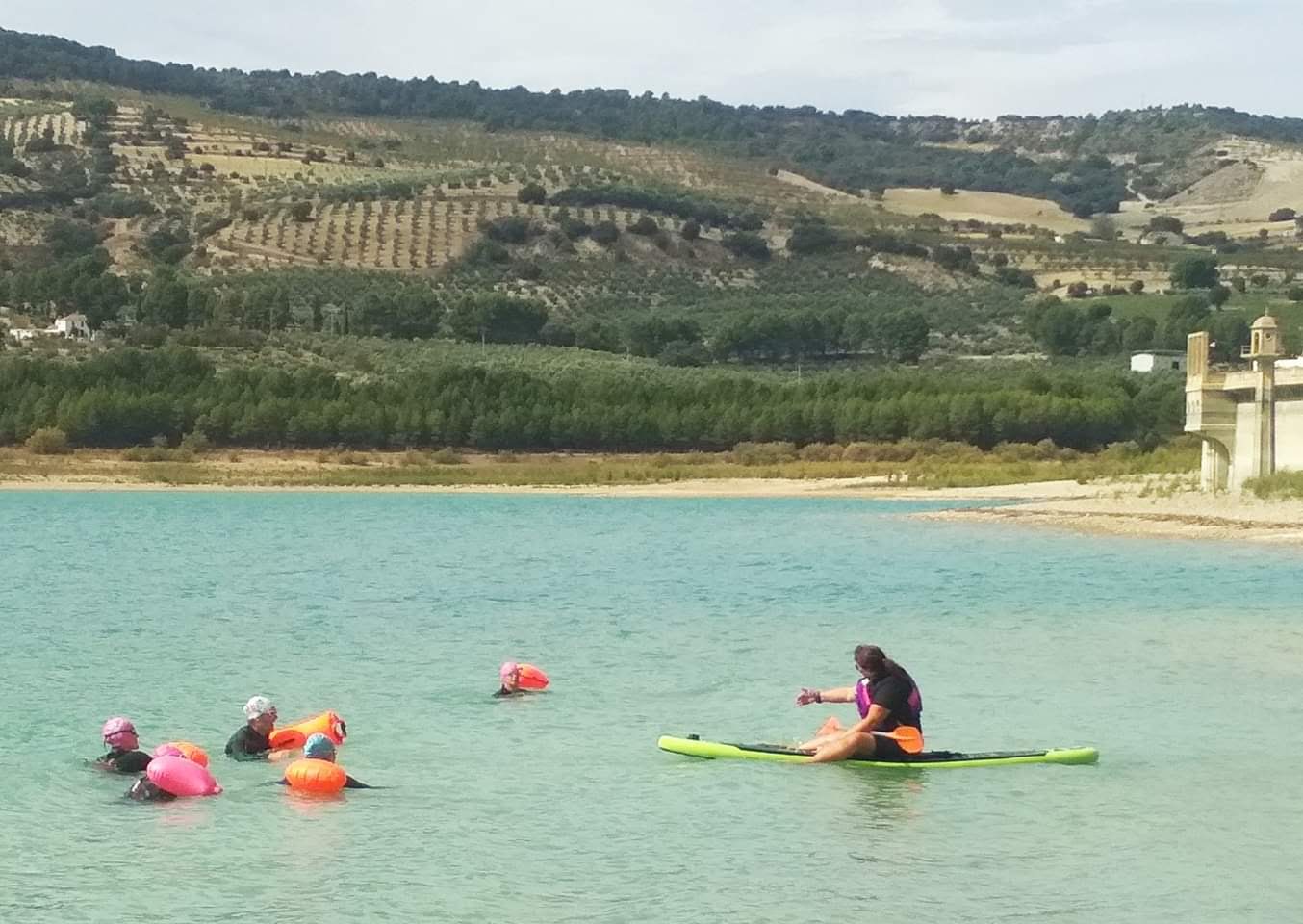
Coach Karen helping open water swimmers refine their technique in lake Bermejalas in Southern Spain
Essential Open Water Swimming Kit List
To get the most out of these workouts, having the right swim kit can make all the difference. The e-book includes a useful kit list, featuring essential gear to help improve technique, endurance, and comfort in open water:
- Wetsuit for warmth and buoyancy
- Neoprene swim cap and gloves for cold water
- Tinted or polarized goggles for glare reduction
- Safety buoy for visibility and confidence
- Paddles, fins, and pull buoys for targeted drills
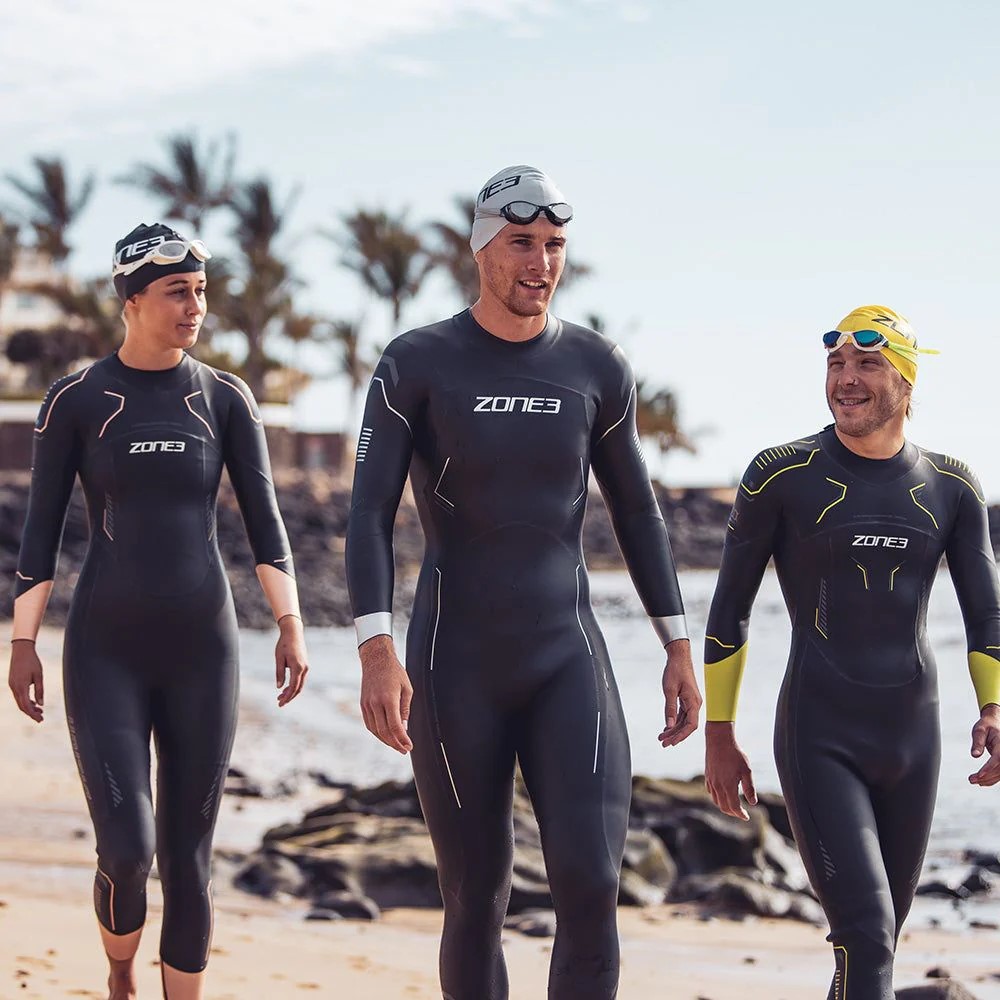
Zone 3 open water swimming wetsuits - get 20% with this link
My Top Tips for Open Water & Sea Swimming
Mastering open water swimming goes beyond fitness—it’s about technique, confidence, and strategy. The e-book includes my top tips to help you tackle the unpredictable conditions of lakes, rivers, and the ocean:
✅ How to stay calm and control breathing in choppy water
✅ Best sighting techniques to swim straighter and save energy
✅ Drafting strategies to improve efficiency in races
✅ Tips for handling mass starts and avoiding panic
✅ How to adapt to different water conditions, from waves to currents
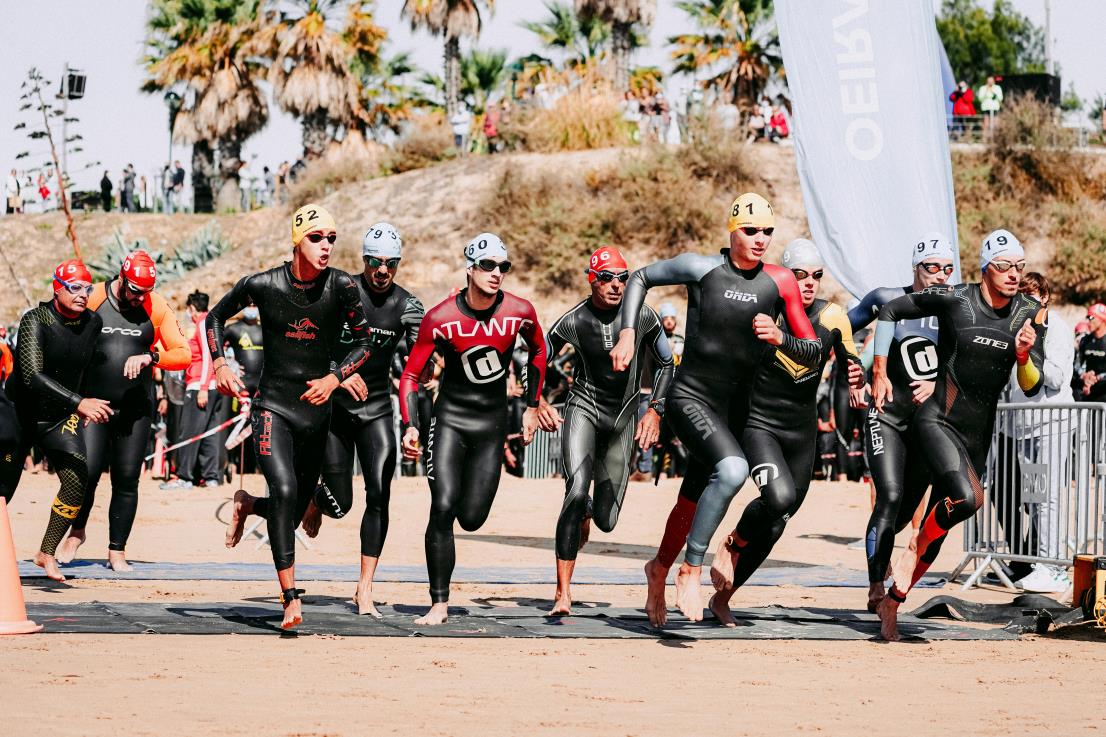
Photo by RUN 4 FFWPU
Swim Drills to Improve Your Technique
Drills are a key part of developing a strong and efficient freestyle stroke. Inside the e-book, you’ll find a range of swim drills designed to refine your technique, improve body position, and boost your power in the water:
- Sighting Drill – Practice looking up without losing speed
- Bilateral Breathing – Balance your stroke and adapt to different conditions
- Drafting Drill – Learn how to save energy in a group swim
- Tethered Swimming – Perfect for resistance training in open water
📖 37 pages of essential training, technique guidance, and expert insights for swimmers of all abilities!
Conclusion: Don’t Just Swim—Swim Smart
Triathlons are won and lost in the water. If you want to hit the bike and run feeling strong, you need to swim efficiently and confidently. Download your free open water swim training guide now and start making real progress!
📥 Get Your Free Open Water Swim Workouts Guide Here
Karen Parnell is a Level 3 British Triathlon and IRONMAN Certified Coach, 8020 Endurance Certified Coach, WOWSA Level 3 open water swimming coach and NASM Personal Trainer and Sports Technology Writer.
Karen has a postgraduate MSc in Sports Performance Coaching from the University of Stirling.
Need a training plan? I have plans on TrainingPeaks and FinalSurge:
I also coach a very small number of athletes one-to-one for all triathlon and multi-sport distances, open water swimming events, and running races. Email me for details and availability. Karen.parnell@chilitri.com
Get your FREE Guide to Running Speed and Technique
Get your FREE Swim Workouts for Triathletes E-book
Get your FREE Open Water Swimming Sessions E-Book
Get your FREE 23-Page Athletes Guide to Strength and Conditioning
FAQ for Open Water Swimming & Free Guide
1. What makes open water swimming different from pool swimming?
Open water swimming involves unpredictable conditions like waves, currents, and temperature changes. Unlike pool swimming, there are no lane lines or walls for breaks, requiring better sighting, endurance, and adaptability.
2. How can I improve my confidence in open water?
Start by practicing in calm water with a friend or group. Use gradual exposure to colder, rougher conditions. Focus on controlled breathing and practice floating to stay calm. The guide includes tips to reduce anxiety and boost confidence.
3. What are the best drills for open water swimming?
Essential drills include sighting, bilateral breathing, and drafting. The guide features open water-specific drills to help improve technique and efficiency.
4. How do I stop zig-zagging and swim straighter?
Work on sighting techniques by lifting your head briefly while maintaining stroke rhythm. Pool Open Water (POW) drills in the guide help refine this skill.
5. What essential gear do I need for open water swimming?
A wetsuit, neoprene cap, goggles suited for open water, and a safety buoy are key. The guide includes a detailed kit list with gear recommendations.
6. How can I practice open water skills in a pool?
You can simulate open water by practicing turn-free swims, sighting drills, and POW workouts from the guide, which mimic open water conditions.
7. What’s the best way to pace myself in open water?
Use a tempo trainer or focus on stroke consistency rather than splits. Practice negative split swims to improve pacing. The guide has endurance workouts to help.
8. How do I handle waves, currents, and cold water?
Adapt by practicing in different conditions. High-elbow strokes help in rough water, and acclimatization improves cold tolerance. The guide includes tips on adapting to various environments.
9. What’s included in the free swim workouts guide?
The 37-page guide features 20 structured swim workouts covering speed, endurance, technique, and open water skills, plus expert tips and a gear checklist.
10. Is this guide suitable for beginners and experienced swimmers?
Yes! Whether you’re new to open water or a seasoned triathlete, the workouts cater to all levels, helping you improve efficiency and race-day performance.
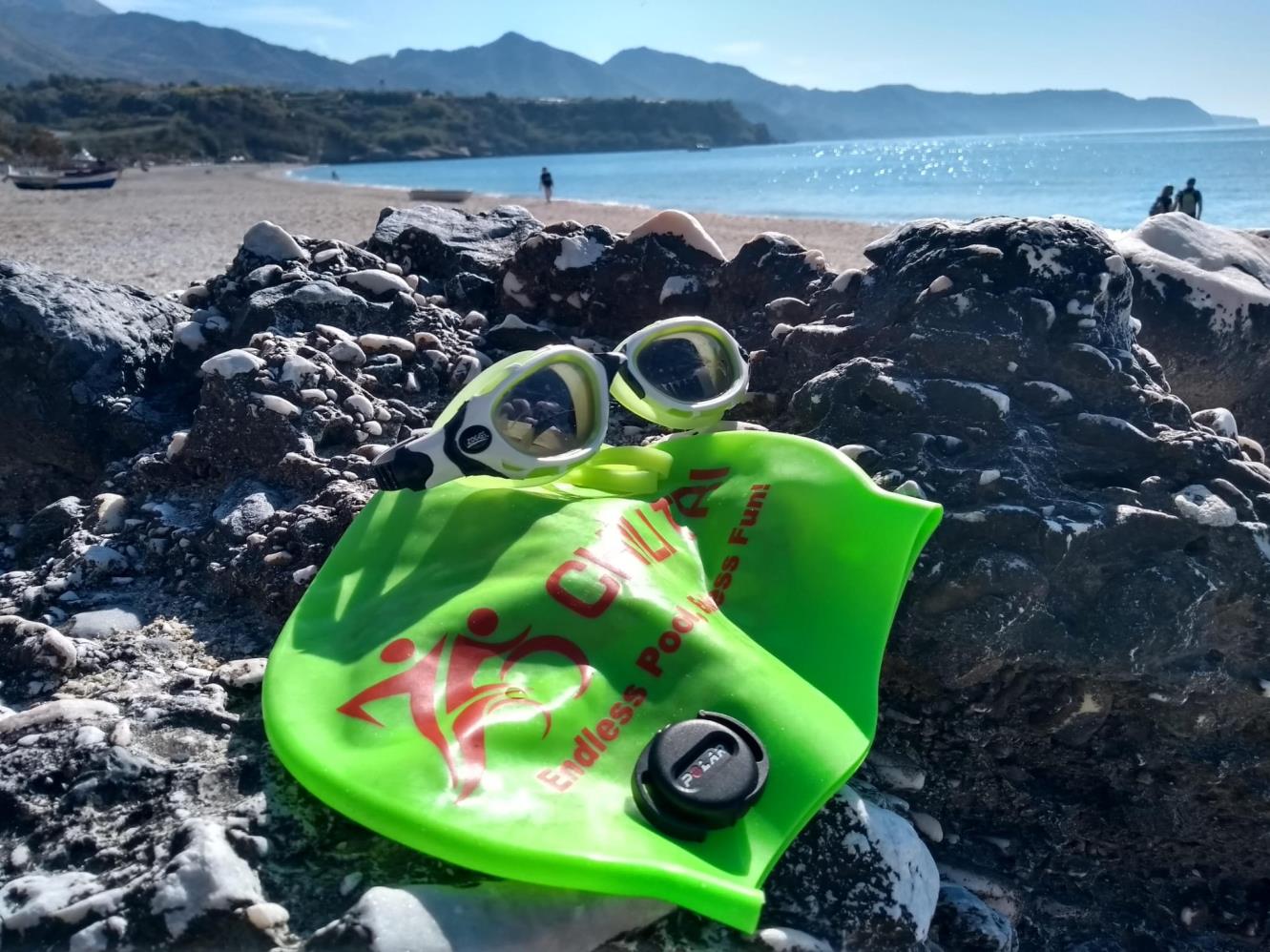
ChiliTri swim hat with Polar Vertity Sense heart rate monitor for swimming