
How to Race an Ironman in Heat and Humidity | Hydration, Nutrition & Training
 Karen Parnell
July 04, 2026
Karen Parnell
July 04, 2026
It's Not Just the Heat: The Hidden Impact of Humidity on Ironman Performance
If you prefer to listen to Blogs, you can listen to it here:
When IRONMAN and IRONMAM 70.3 Nice was cancelled and IRONMAN Frankfurt was shortened because of extreme weather, many athletes asked the same question:
"We've raced in hot conditions before...so what was different this time?"
The answer wasn't simply the temperature.
It was the dangerous combination of heat and humidity.
As endurance athletes, we tend to obsess over the forecast temperature while paying little attention to the humidity percentage. Yet from a physiological perspective, humidity can have just as much—if not more—impact on performance, hydration and, ultimately, athlete safety.
Understanding how humidity affects your body could be the difference between running strongly through the finish chute or finding yourself struggling in a medical tent.
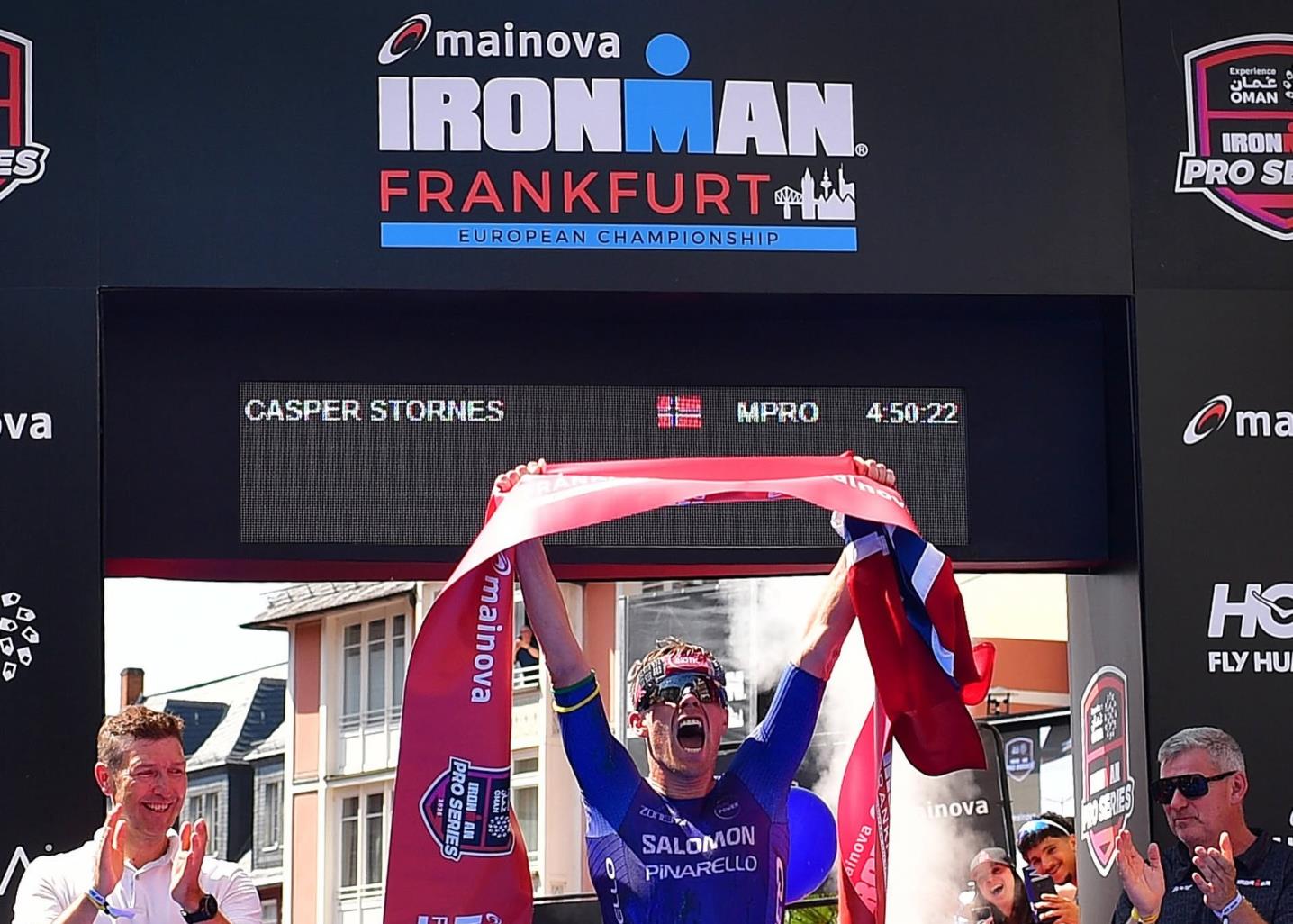
Photo: Ironman Facebook Page
Get your FREE Swim Workouts for Triathletes E-book
Why Race Organisers Worry about Humidity
Increasingly, race organisers don't base decisions on air temperature alone. Instead, many use a measure called the Wet Bulb Globe Temperature (WBGT).
Unlike a standard thermometer, WBGT combines:
- air temperature
- humidity
- solar radiation
- wind speed
to estimate the body's ability to lose heat.
That's important because your body doesn't respond to temperature in isolation—it responds to how easily it can get rid of heat.
A dry 32°C day and a humid 32°C day can feel completely different.
In dry conditions, sweat evaporates efficiently, removing heat from your skin and helping to keep your core temperature under control.
In humid conditions, however, the air is already saturated with moisture. Sweat still pours from your body, but much less of it evaporates. Instead, it simply drips from your skin, meaning you're losing fluid without gaining the cooling benefit.
The result is a faster rise in core temperature, greater cardiovascular strain and an increased risk of heat illness.
This is one of the reasons race organisers took the difficult decisions they did in Nice and Frankfurt. It wasn't simply because it was hot—it was because environmental conditions significantly reduced athletes' ability to cool themselves safely.
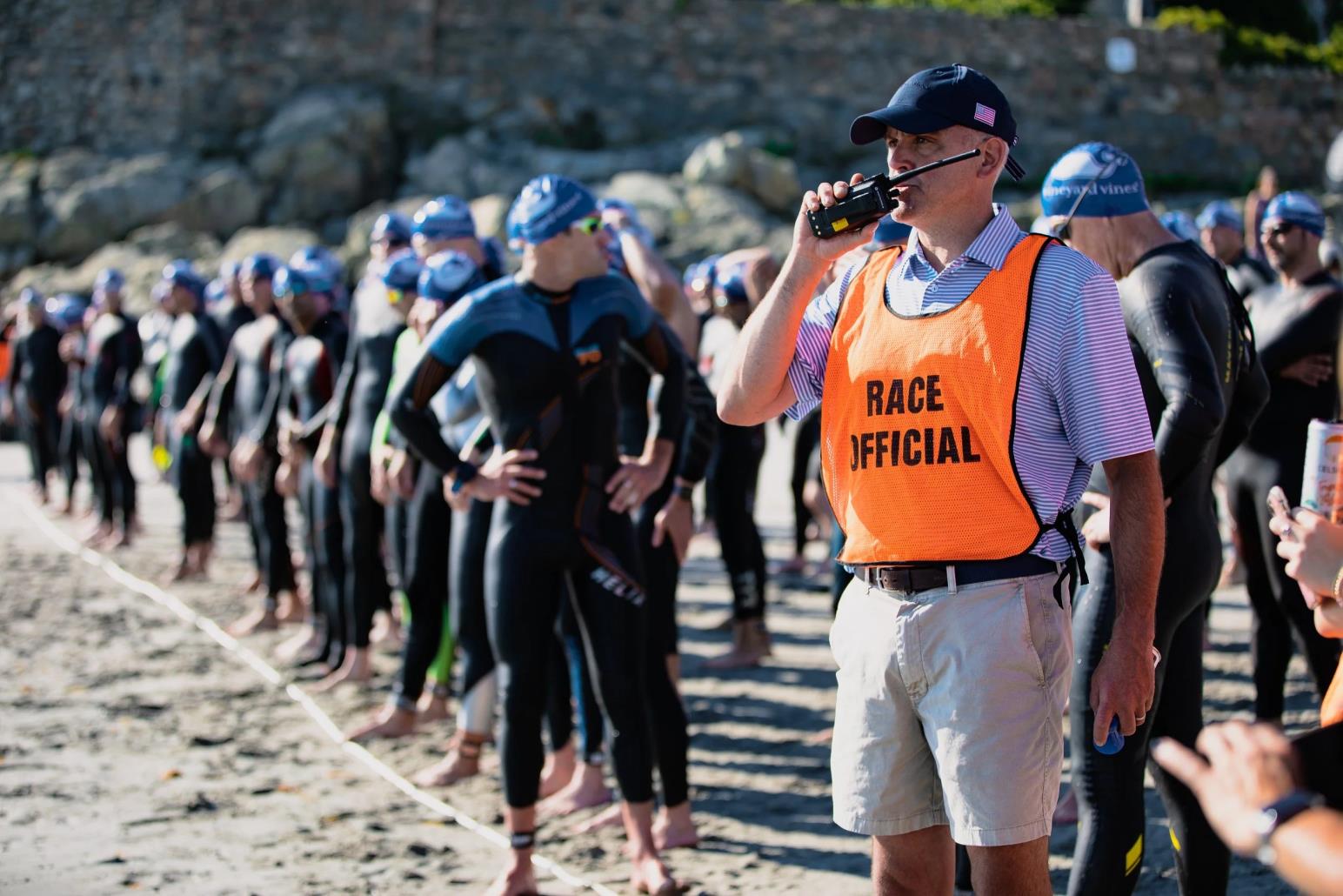
Source: Clermont Draft Legal
Get your FREE Open Water Swimming Sessions E-Book
Why Humidity Matters to your Body
Your body has one primary way of cooling itself during exercise:
Sweat evaporation.
Every litre of sweat that evaporates removes a significant amount of heat from your body.
The crucial word, however, is evaporates.
The IOC Consensus Statement on Sport Events in the Heat (Racinais et al., 2023) explains that high humidity reduces the effectiveness of sweat evaporation, increasing thermal strain and accelerating the rise in core temperature during exercise. Even though you may sweat just as much—or even more—your body struggles to lose heat efficiently.
The consequences are familiar to anyone who has raced in tropical conditions:
- Your heart rate climbs.
- Your perceived effort increases.
- Your pace or power falls.
- You fatigue much sooner than expected.
The weather hasn't just become uncomfortable. It has fundamentally changed your physiology.
Get your FREE Guide to Running Speed and Technique
The Hidden Cardiovascular Cost
Most athletes assume dehydration is the biggest threat in the heat.
In reality, cardiovascular strain often begins long before significant dehydration develops.
As sweating increases, blood plasma volume gradually decreases. At the same time, more blood is directed towards the skin in an attempt to dissipate heat, leaving less available for the working muscles.
To compensate, your heart beats faster to maintain cardiac output—a phenomenon known as cardiovascular drift.
Research by José González-Alonso has shown that this increasing cardiovascular strain is one of the primary reasons endurance performance declines during prolonged exercise in the heat. Even when power output remains unchanged, heart rate rises, perceived effort increases and the body begins to reduce performance to protect itself.
Cheuvront and Kenefick (2014) further describe how dehydration compounds this physiological strain by reducing plasma volume, increasing cardiovascular load and impairing endurance performance.
That's why an Ironman bike power that feels comfortable in training can suddenly feel unsustainable after two or three hours in hot, humid conditions.
It isn't a lack of fitness.
It's your body's attempt to prevent dangerous overheating.

Source: Revere Health
Get your FREE 23-Page Athletes Guide to Strength and Conditioning
What Happens During Each Discipline?
The Swim – Starting Behind the Curve
Many athletes assume the swim is the coolest part of the day.
Unfortunately, that's not always true.
If the water temperature is above around 28–30°C, it provides very little opportunity for your body to lose heat. In fact, when the water temperature is close to skin temperature, the body struggles to transfer heat into the surrounding water.
If you're also wearing a wetsuit in borderline conditions, you're effectively insulating yourself and limiting your ability to cool down. Note that for age group athletes’ wetsuits are forbidden over 24.5°C.
The result is that you can begin the bike with an elevated core temperature before you've even turned the pedals.
Add in the adrenaline of the race start, the physical contact of a crowded swim and a naturally higher heart rate, and it's easy to see why some athletes feel unusually fatigued as soon as they reach transition.
Coach's Tips
- Stay in the shade as long as possible before the start.
- Avoid standing in your sub absorbing black wetsuit any longer than necessary.
- Pour cool water over your head, neck and wrists while waiting.
- If it's a non-wetsuit swim, take advantage of the opportunity to cool yourself in the water before the start.
Remember, the race doesn't begin when the gun goes—it begins while you're standing on the beach.
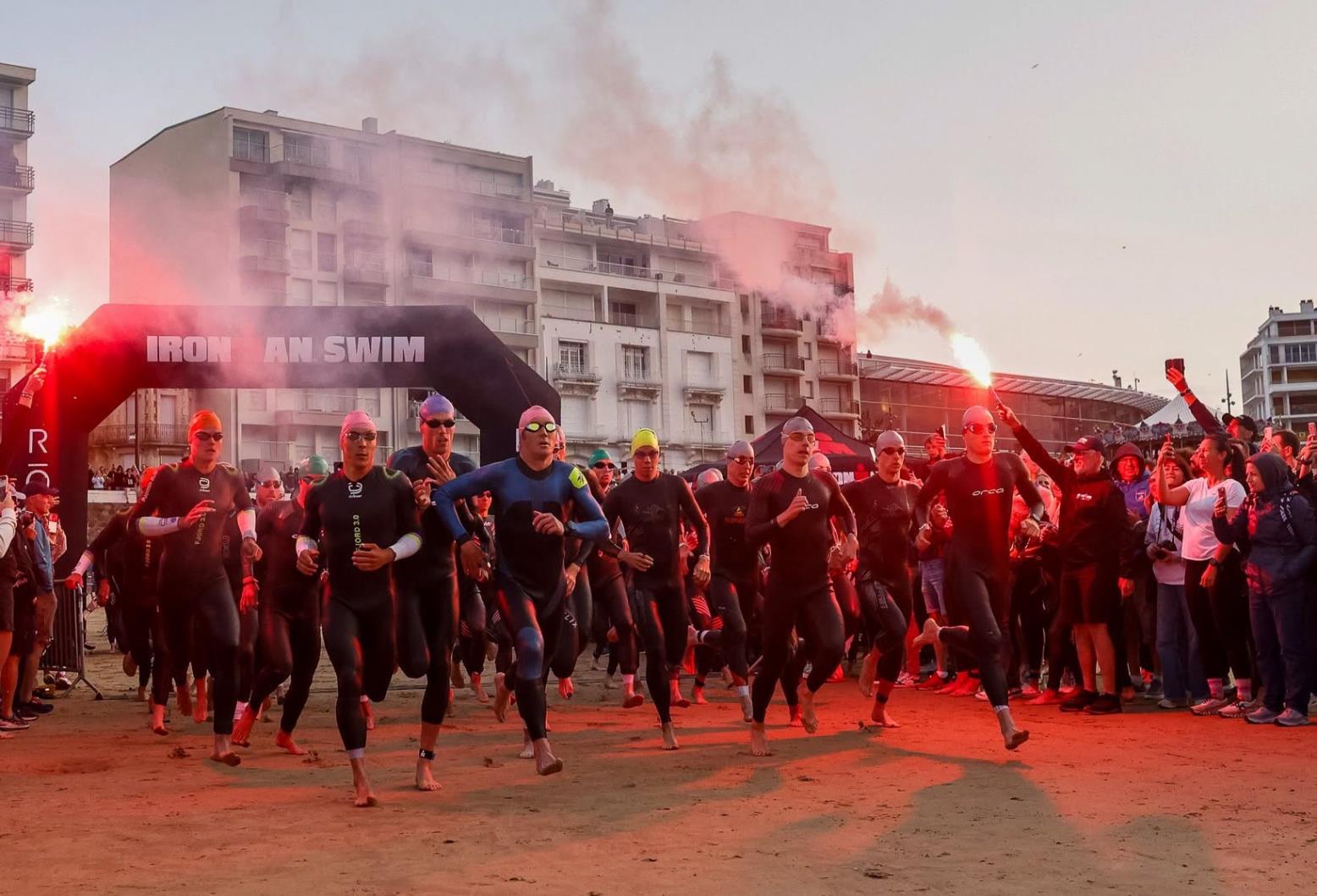
Source: Ironman FaceBook Page
Get your FREE Open Water Swimming Sessions E-Book
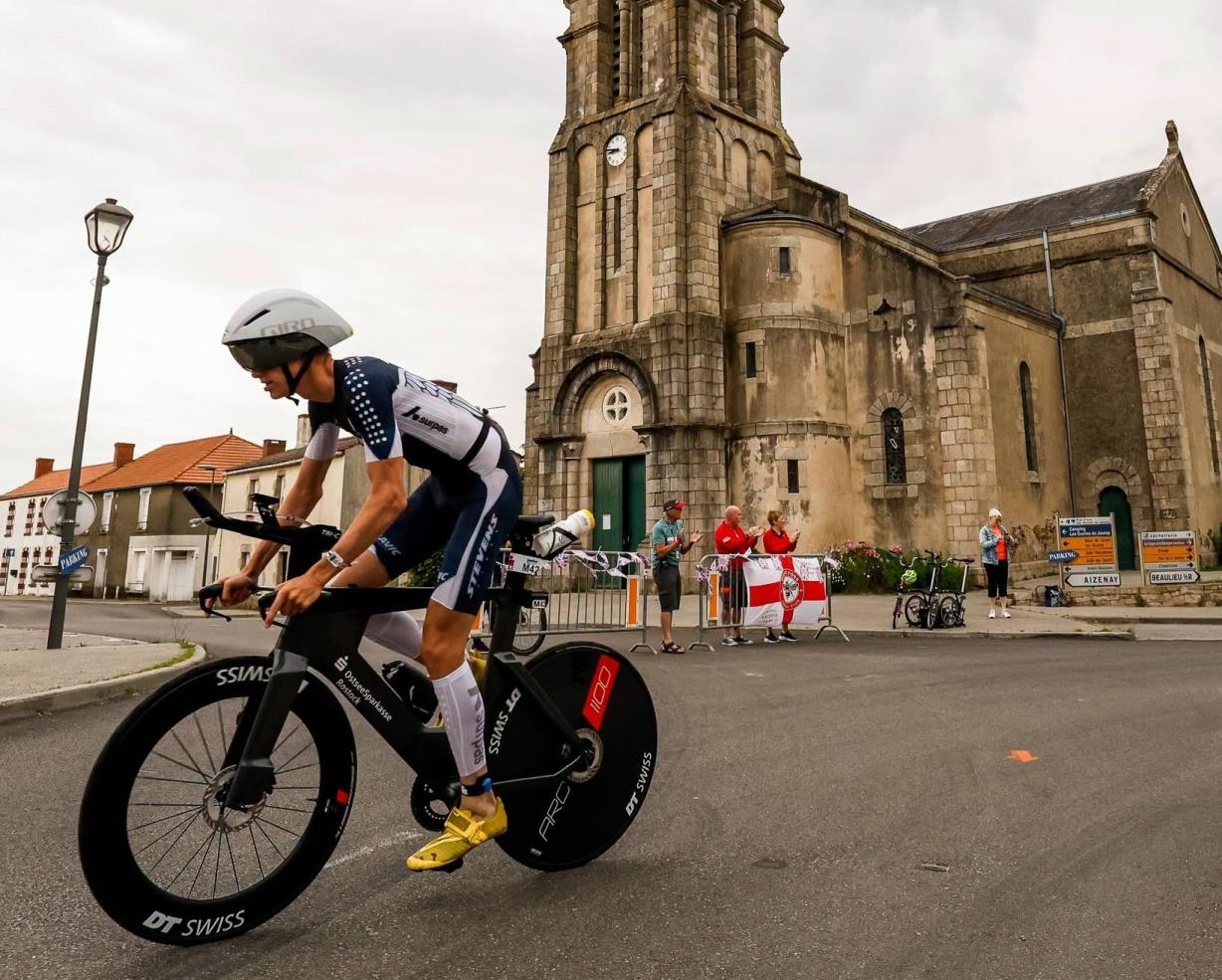
The Bike – Your Best Opportunity to Stay Ahead
For most athletes, the bike leg is where races are either set up or slowly unravel.
Although the airflow generated by cycling improves cooling compared with running, high humidity still limits sweat evaporation. You may feel cooler because of the wind, but your body can still be accumulating heat faster than it can lose it.
Research suggests that sweat rates during long-course triathlon commonly range from 0.8 to over 2.0 litres per hour, with larger athletes and heavy sweaters losing considerably more (Baillot & Hue, 2015). Trying to replace every litre is unrealistic and unnecessary.
Instead, aim to minimise the deficit without overwhelming your stomach.
This is your feeding opportunity
The bike is also where you should complete the majority of your nutrition.
Your torso is relatively stable, there is far less impact than running, and it's easier to eat and drink consistently. Most athletes tolerate both fluid and carbohydrate far better on the bike than during the marathon.
Think of the bike as an investment in your run.
If you arrive at T2 already under-fuelled or dehydrated, it is almost impossible to catch up later without causing gastrointestinal problems.
Coach's Tips
- Know your sweat rate before race day. Do a sweat test.
- Start drinking early—don't wait until you feel thirsty.
- Aim for steady, regular intake rather than large drinks every hour.
- Use a watch or bike computer reminder every 15 minutes to prompt a few mouthfuls of drink and part of your carbohydrate intake.
- Take advantage of aid stations to top up bottles before they're empty.
The athletes who run well off the bike are often the ones who have executed their nutrition plan for the previous five hours.
Source: Ironman FaceBook Page
Get your FREE 31 Structured Cycling Sessions and Training Plan
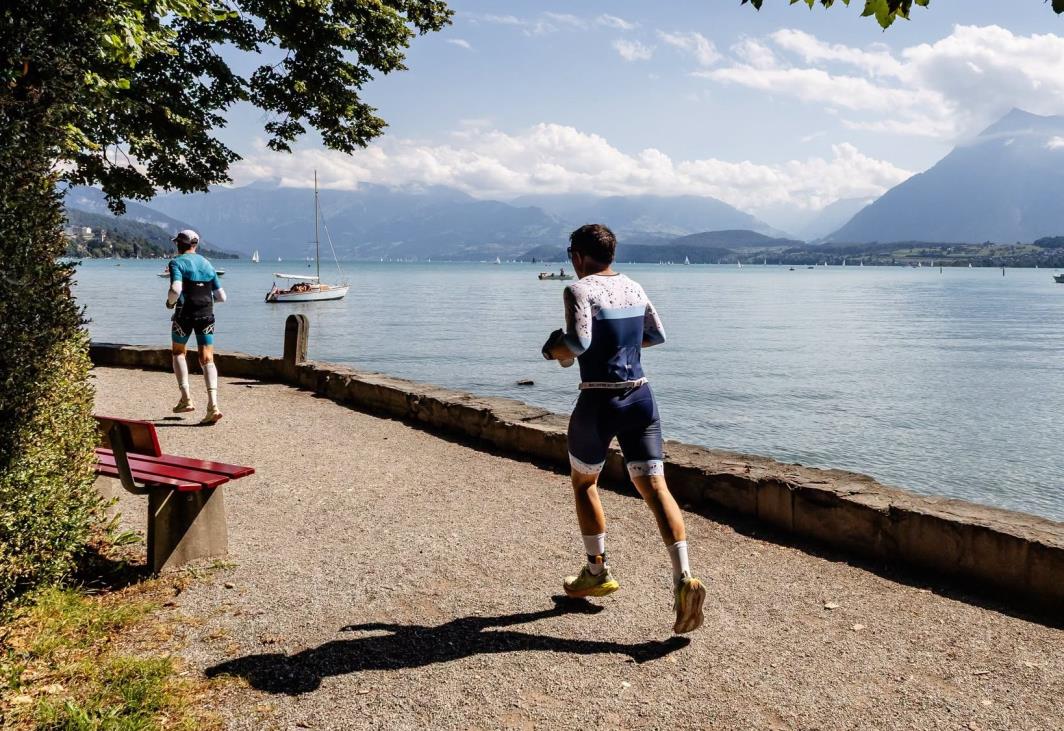
The Run – Where Humidity Takes Its Toll
This is where humidity really starts to bite.
Your speed drops, the cooling effect of airflow almost disappears, sweat evaporates less effectively and your core temperature continues to rise.
By now, your body is working incredibly hard to balance two competing priorities: supplying oxygen to your muscles while simultaneously sending blood to the skin to lose heat.
Something has to give and it’s usually your pace.
This is why even elite athletes’ slowdown in hot, humid conditions. Numerous studies have shown that runners instinctively reduce their pace as thermal strain increases. It's a protective response, not a sign of poor fitness or mental weakness.
One of the biggest mistakes age-group athletes make is trying to hold their goal marathon pace regardless of the conditions.
Your race plan should always be flexible enough to account for the weather.
A better strategy is to pace using heart rate and perceived effort, accepting that pace may naturally be slower on particularly hot or humid days.
Source: Ironman FaceBook Page
Get your FREE Guide to Running Speed and Technique
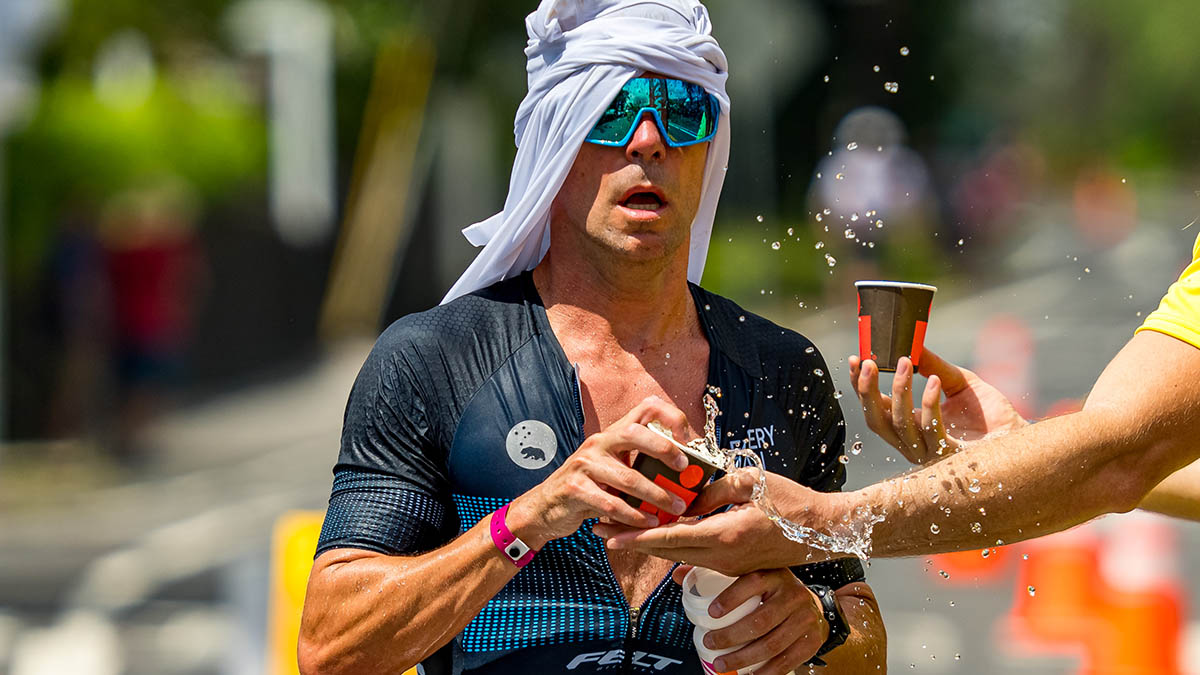
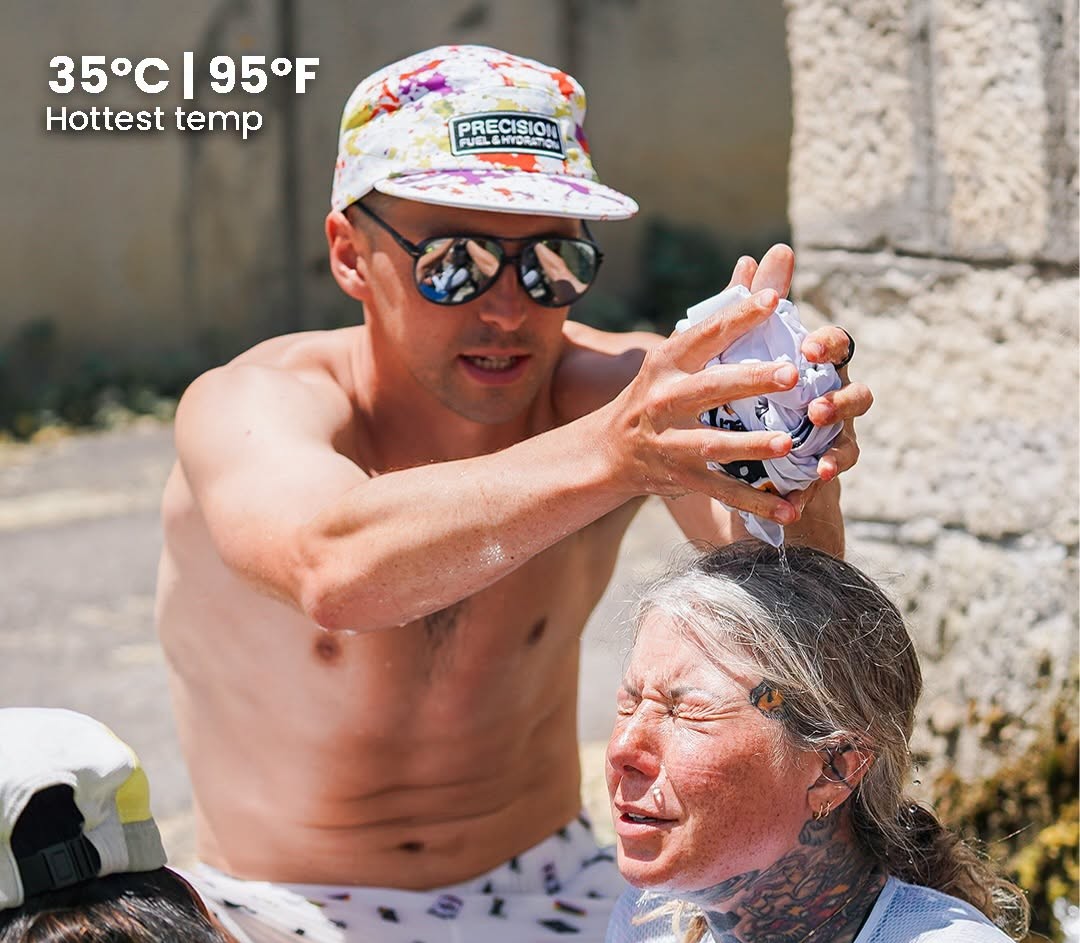
Cooling Becomes a Performance Strategy
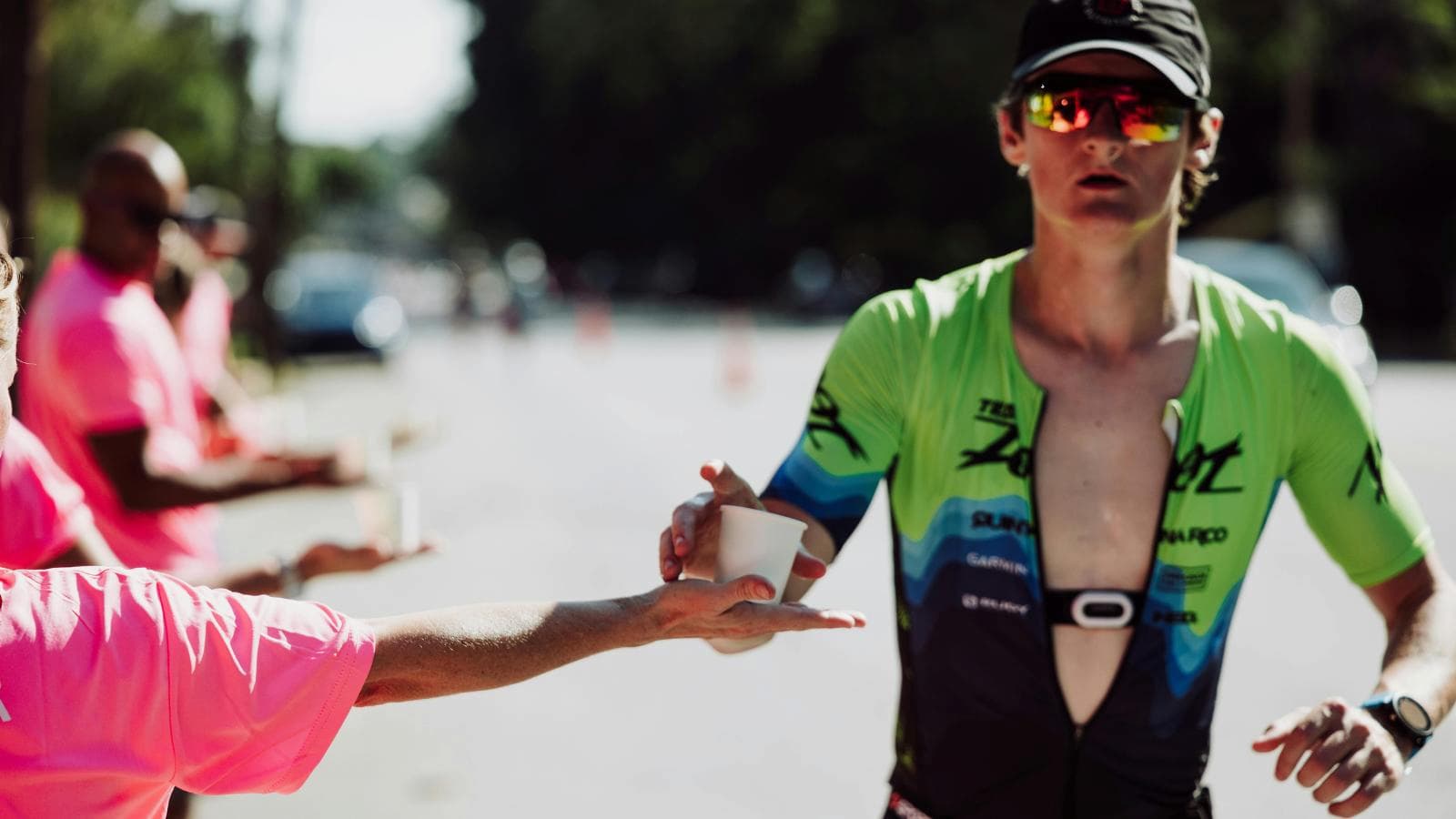
Aid stations are no longer just places to grab a drink—they become opportunities to lower your core temperature.
If ice is available:
- Put it under your cap.
- Place it inside the front and back of your trisuit.
- Hold it briefly in your hands.
- Rub cold water over your neck, forearms and thighs.
- Use cold sponges whenever they're available.
These small interventions may seem insignificant, but together they can reduce thermal strain and make the second half of the marathon much more manageable.
Coach's Tips
- Run by effort, not ego.
- Walk aid stations if it helps you drink, cool down and reset.
- Start cooling before you feel overheated.
- Don't chase time lost early in the marathon—most successful Ironman marathons are built on patience.
Remember, everyone is racing in the same conditions. The athletes who adapt best are usually the ones still running strongly over the final 10 kilometres.
Source: TrainingPeaks
Get your FREE Athlete Recipe Books
Nutrition and Hydration – Your Gut Changes as the Race Goes On
One of the biggest mistakes athletes make is using the same nutrition strategy for a cool spring marathon as they do for an Ironman in hot, humid conditions.
The two are simply not the same.
As your core temperature rises, your body has to make difficult decisions about where blood is needed most. To help cool you, blood flow is redirected towards the skin. The downside is that less blood is available to the stomach and intestines.
Research has shown that this reduction in splanchnic blood flow can delay gastric emptying and reduce the gut's ability to absorb both fluid and carbohydrate efficiently, particularly during prolonged exercise in the heat.
This is why athletes often report:
- Bloating
- Nausea
- A sloshing stomach
- Cramping
- Vomiting
late in an Ironman.
The solution isn't simply to eat and drink more. It's to adjust your strategy as the race progresses.
Source: Precision Fuel & Hydration
Get your FREE Athlete Recipe Books
Fuel the Bike to Protect the Run
If there's one message to take away from this article, it's this:
The bike is your best opportunity to eat.
Your body is in a far better position to tolerate nutrition while cycling than it is while running. The torso is relatively stable, there's far less impact travelling through the digestive system, and it's much easier to eat and drink at regular intervals.
That doesn't mean your gut is functioning normally—it isn't—but for most athletes it's considerably easier to consume both carbohydrate and fluid on the bike than it will be once the marathon begins.
Think of your nutrition as building a reserve.
The better fuelled you are when you reach T2, the less you'll need to force into an increasingly reluctant stomach later in the race.
Aim to consume 60–90 g of carbohydrate per hour, depending on what you've practised in training and what your gut can comfortably tolerate. Multiple transportable carbohydrates, such as glucose and fructose, allow higher absorption rates than a single carbohydrate source and are now widely recommended for long-course racing.
Don't try to hit these numbers for the first time on race day.
Like your legs, your gut can be trained.
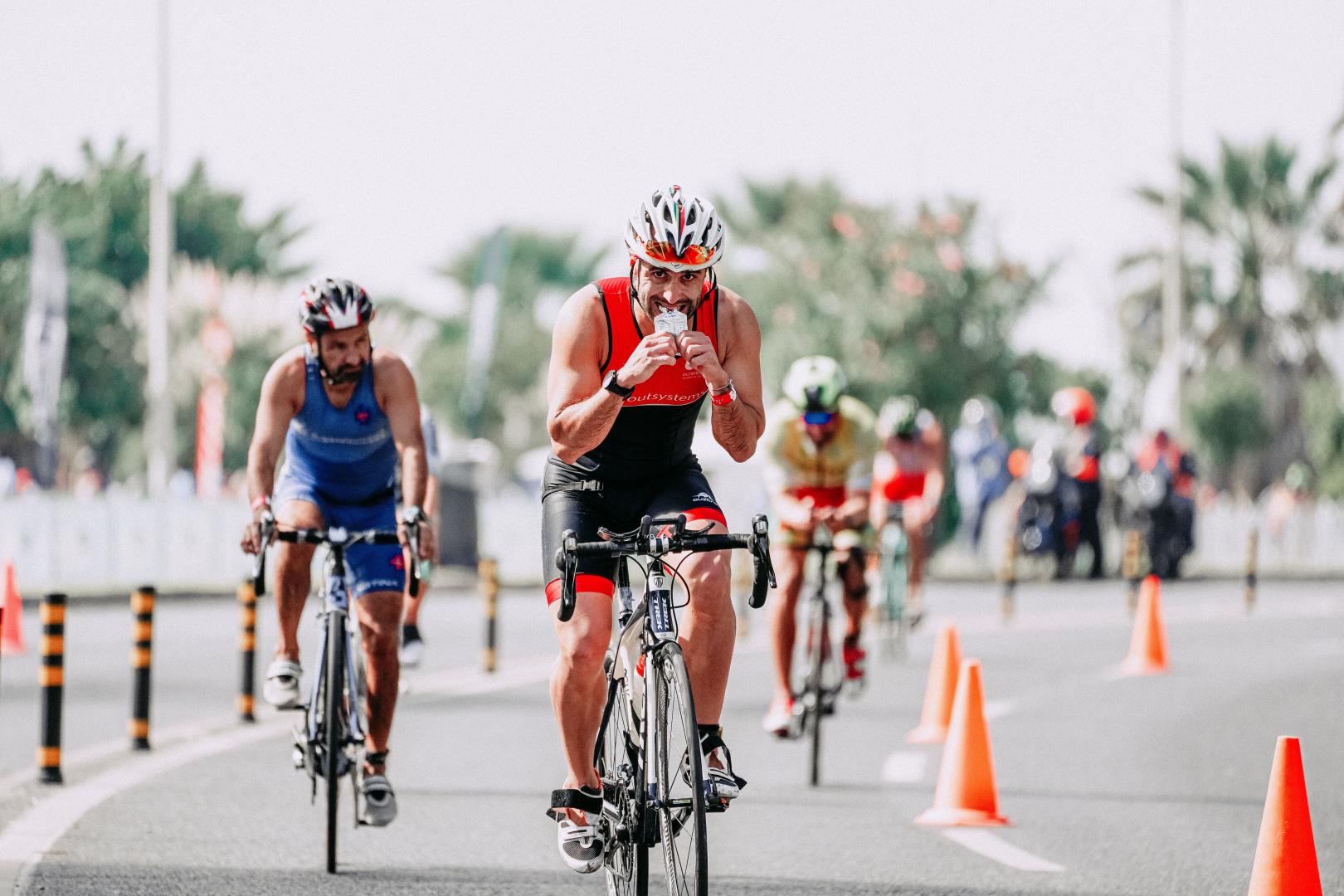
Photo by RUN 4 FFWPU
Get your FREE 31 Structured Cycling Sessions and Training Plan
The Run Is About Maintaining, Not Catching Up
Once you leave transition, your nutrition strategy should become simpler.
Running places greater mechanical stress on the digestive system, dehydration is usually increasing, and humidity makes it even harder for the body to regulate temperature. It's no surprise that many athletes find solid foods suddenly become difficult to tolerate.
That doesn't mean solid food is wrong. Some athletes happily eat bars or even small sandwiches throughout an Ironman.
However, if your stomach starts to feel unsettled, don't keep forcing the same foods because they're on your race plan.
Adapt.
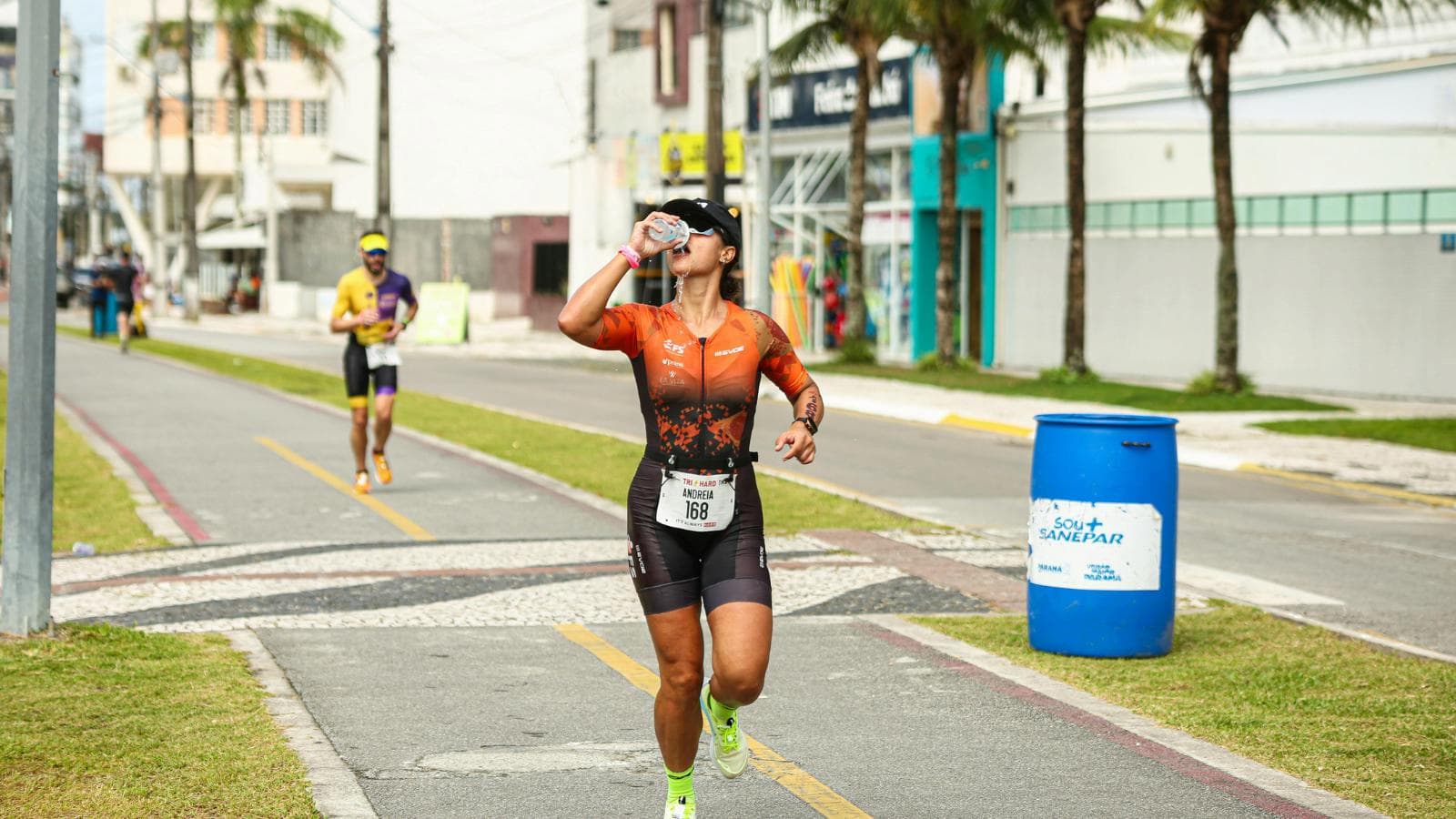
Many experienced long-course athletes switch to more easily digested carbohydrate sources during the run, such as sports drinks, gels or liquid carbohydrate concentrates. These can often be tolerated more comfortably when the gut is under stress.
Remember, the goal is no longer to maximise intake.
It's to maintain energy while minimising the risk of gastrointestinal problems.
Source: TRI247
Get your FREE Guide to Running Speed and Technique
Drink Little and Often
One of the most common mistakes in hot races is drinking very little for long periods before trying to catch up at the next aid station.
Unfortunately, your stomach doesn't appreciate this approach.
Instead, think about hydration as something continuous.
Taking a few mouthfuls every 15 to 20 minutes is generally much more comfortable than drinking half a bottle in one go. Smaller, more frequent drinks also provide a steadier delivery of fluid and carbohydrate, helping reduce the likelihood of a sloshing stomach.
The same principle applies to fuelling. Rather than consuming all your carbohydrate in one large feed every hour, spread it evenly across the hour.
Your gut will usually thank you for it.
Coach's Tip
Set your bike computer or sports watch to beep every 15 minutes.
When it beeps, take a few sips of drink and, if appropriate, part of your planned carbohydrate intake.
By making fuelling automatic, you're much less likely to fall behind. Waiting until you're thirsty, hungry or feeling flat usually means you're already playing catch-up.
Source: TRI247
Get your FREE 7-Day Race Week Meal Plan for Triathletes
Hydration – Aim for Enough, Not Perfect
One of the biggest misconceptions in endurance sport is that every litre of sweat must be replaced.
It doesn't.
In fact, trying to replace every drop can leave you feeling bloated and, in extreme cases, may contribute to exercise-associated hyponatraemia (low blood sodium caused by excessive fluid intake).
Instead, aim to minimise excessive dehydration while accepting that some fluid deficit is normal during an Ironman.
For most age-group athletes, this means somewhere in the region of 500–900 ml per hour, although your personal sweat rate, body size, race intensity and environmental conditions will all influence the exact amount.
Knowing your own sweat rate from training is one of the simplest and most valuable pieces of information you can take into race day.
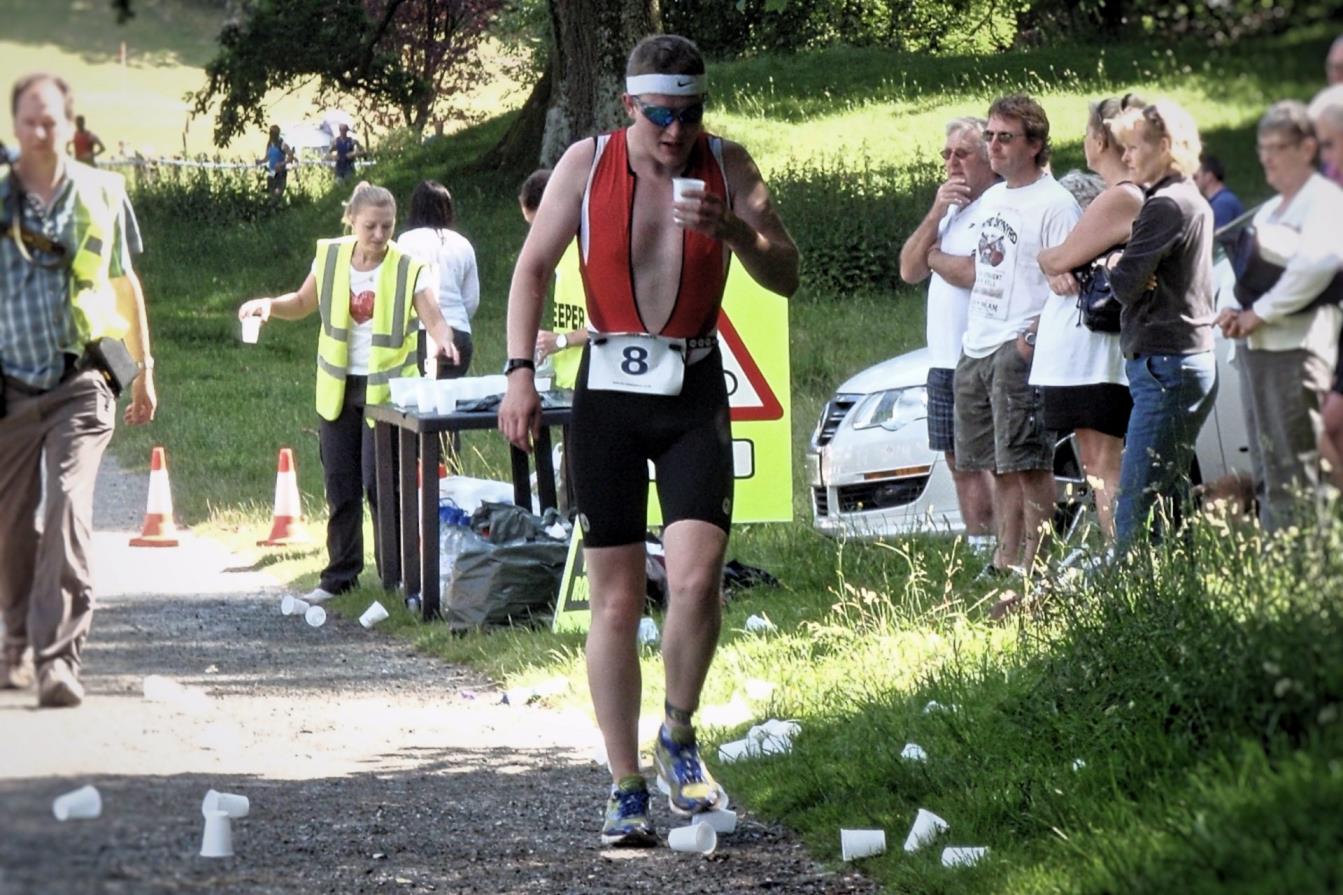
Photo: Triathlon Vibe
Get your FREE IRONMAN® Triathlete 7 Day Meal Plan
Don't Forget Sodium
Sweat doesn't just contain water.
It also contains electrolytes, particularly sodium, and the amount lost varies enormously between individuals.
Replacing some sodium helps maintain plasma volume, improves fluid retention and encourages continued drinking.
For many athletes racing in hot conditions, around 500–1000 mg of sodium per hour is a sensible starting point, but there is no universal prescription. Heavy and salty sweaters may require considerably more, while others need much less.
This is another reason why practising your race nutrition in training is so important.
Practice Before Race Day
You wouldn't turn up to an Ironman having never ridden 180 kilometres.
So don't expect your digestive system to cope with a nutrition strategy you've never rehearsed.
Use your long rides and brick sessions to practise exactly what you'll eat, drink and carry on race day.
Test your carbohydrate intake.
Test your hydration.
Test your sodium strategy.
Most importantly, test them in the heat whenever you can.
The best nutrition plan isn't the one that looks perfect on paper.
It's the one your stomach will still tolerate after eight hours of racing in hot, humid conditions.
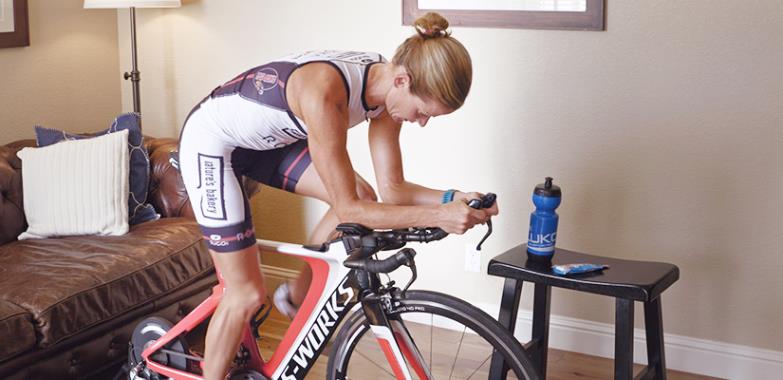
Source: TrainerRoad
Get your FREE 31 Structured Indoor Cycling Sessions and Training Plan
Training for Heat and Humidity
The good news is that your body is remarkably adaptable.
Just as you train your heart, muscles and aerobic system, you can also train your body's ability to cope with heat. This process, known as heat acclimatisation, is one of the most effective ways to improve both performance and safety when racing in hot, humid conditions.
According to the International Olympic Committee's Consensus Statement on Exercising in the Heat (Racinais et al., 2023), many of the most important adaptations occur within 7–14 days, although some athletes continue to improve over longer periods.
These adaptations include:
- An earlier onset of sweating.
- Increased sweat production.
- Expansion of blood plasma volume.
- A lower exercising heart rate.
- Improved skin blood flow.
- A lower core temperature at a given workload.
- Reduced perception of effort.
In simple terms...
The same pace starts to feel easier.
Train in the Heat—But Do It Gradually
If your target race is likely to be hot and humid, try to include some training sessions in similar conditions.
Start conservatively.
Your pace and power will almost certainly be lower than they are in cooler weather, but that's completely normal. The goal isn't to set personal bests—it's to expose your body to the environment so it learns how to respond.
Early in a heat acclimatisation block, use heart rate or Rate of Perceived Exertion (RPE) to guide your sessions rather than pace or power alone.
Your body is adapting, not failing.
Coach's Tip
Don't judge a hot-weather training session by the pace on your watch.
Judge it by the physiological stress you're creating.
A slower run in 30°C with high humidity may produce exactly the same training stimulus as a much faster run on a cool spring morning.
Passive Heat Exposure Can Help
If you live in a cooler climate, don't worry—you can still prepare.
Research suggests that passive heat exposure, such as sitting in a sauna or soaking in a hot bath after training, may accelerate some of the adaptations associated with heat acclimation.
Even 20–40 minutes after selected sessions may provide additional benefits, although these methods should be introduced gradually and used with common sense. Stay well hydrated and avoid prolonged exposure if you feel unwell or excessively fatigued.
Passive heat exposure isn't a substitute for training in race conditions, but it can be a useful addition when hot weather isn't available.

Source: Sun Home Saunas
Get your FREE 23-Page Athletes Guide to Strength and Conditioning
Practise Your Race Strategy—Not Just Your Fitness
Heat changes more than your pace.
It changes your hydration.
It changes your nutrition.
It changes your pacing.
It changes how your stomach behaves.
This means your long rides and brick sessions should become rehearsals for race day.
Practise:
- Your drinking schedule.
- Your carbohydrate intake.
- Your sodium strategy.
- Your cooling methods.
- Your pacing.
- Your clothing choices.
By race week, nothing should be new.
Arrive Early If You Can
If you're travelling to a warm destination, arriving 7–10 days before your race gives your body valuable time to begin adapting to the local conditions.
Even five days is better than arriving the evening before.
If that's not possible, don't panic. Some preparation at home is still far better than none.
The Mental Challenge
Perhaps the hardest adjustment isn't physical.
It's psychological.
Most athletes begin an Ironman with a goal pace, target power or finish time in mind. When the weather turns hot and humid, it can be incredibly difficult to let go of those expectations.
But successful athletes don't race the plan they wrote six months ago.
They race the conditions they're facing today.
Accepting that your pace may be slower isn't giving up.
It's making a smart tactical decision.
Ironically, the athletes who are prepared to slow slightly during the first half of the marathon are often the ones overtaking everyone else in the final 10 kilometres.
Patience is a performance strategy.
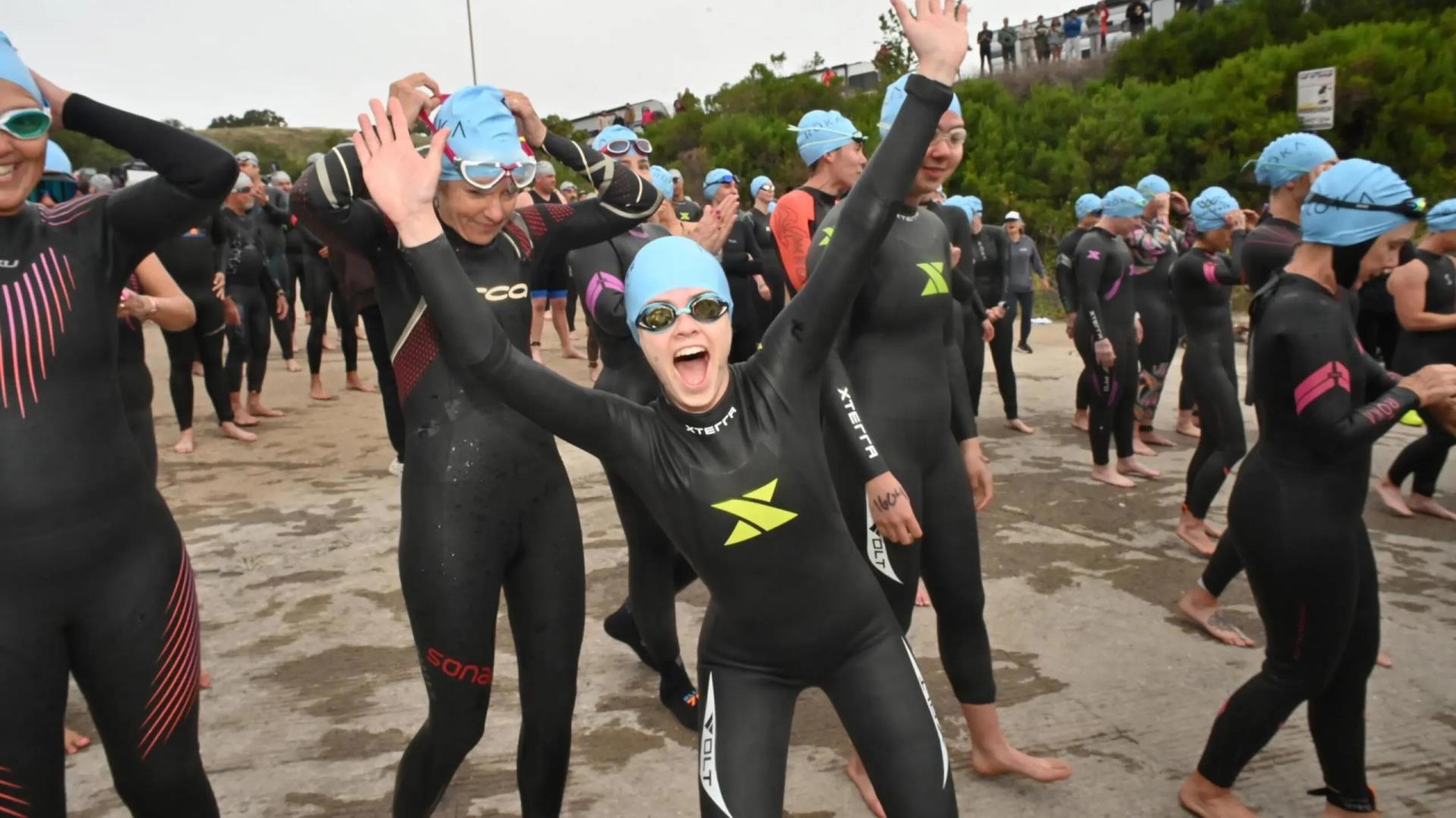
Source: FinnisherPix
Get your FREE Open Water Swimming Sessions E-Book
Key Takeaways
If there's one lesson from the events in Nice and Frankfurt, it's that humidity deserves just as much respect as temperature.
Remember:
- Humidity reduces sweat evaporation, making it harder for your body to cool itself.
- Pace by effort, heart rate or power—not by target pace alone.
- Prioritise fuelling on the bike while your stomach is more likely to tolerate it.
- Simplify your nutrition on the run if your stomach becomes unsettled.
- Drink little and often rather than trying to catch up later.
- Practise your nutrition, hydration and cooling strategy before race day.
- Allow around 7–14 days for heat acclimation whenever possible.
Final Thoughts and Conclusion
The decisions to cancel IRONMAN and IRONMAN 70.3 Nice and shorten IRONMAN Frankfurt weren't signs that endurance athletes are becoming less resilient.
They reflected an increasing understanding of what sports science has demonstrated for decades: when extreme heat combines with high humidity, the body's ability to cool itself becomes severely compromised. At some point, determination alone is no longer enough to overcome physiology.
As climate patterns continue to change, races held in challenging environmental conditions are likely to become more common rather than exceptional.
The athletes who perform best won't necessarily be the fittest.
They'll be the ones who prepare most intelligently.
Learn how your body responds to heat.
Train for the conditions, not just the distance.
Practise your nutrition and hydration strategy.
Respect humidity as much as temperature.
Do those things consistently, and you'll give yourself the best possible chance of racing strongly—and safely—on even the toughest days.
Karen Parnell is a Level 3 British Triathlon and IRONMAN Certified Coach, 8020 Endurance Certified Coach, WOWSA Level 3 open water swimming coach, and NASM Personal Trainer and Sports Technology Writer.
Karen has a postgraduate MSc in Sports Performance Coaching from the University of Stirling.
Need a training plan? I have plans on TrainingPeaks and FinalSurge:
I also coach a very small number of athletes one-to-one for all triathlon and multi-sport distances, open water swimming events, and running races. Email me for details and availability. Karen.parnell@chilitri.com
Get your FREE 23-Page Athletes' Guide to Strength and Conditioning
Get your FREE Guide to Running Speed and Technique
Get your FREE 31 Structured Cycling Sessions and Training Plan
Get your FREE Swim Workouts for Triathletes E-book
References
Baillot, M. & Hue, O. (2015). Hydration and thermoregulation during a Half-Ironman performed in a tropical climate. Journal of Sports Science & Medicine, 14, 263–268.
Cramer MN et al. (2022). Human temperature regulation under heat stress in health, disease and injury. Physiological Reviews.
Cheuvront, S.N. & Kenefick, R.W. (2014). Dehydration: Physiology, Assessment, and Performance Effects. Comprehensive Physiology, 4(1), 257–285.
González-Alonso, J. (2019). New Ideas About Hydration and Its Impact on the Athlete's Brain, Heart and Muscles. Gatorade Sports Science Exchange.
Asker Jeukendrup (2017). Training the Gut for Athletes. MySportScience and associated peer-reviewed work on carbohydrate absorption and gut training.
Racinais, S., Hosokawa, Y., Akama, T., et al. (2023). International Olympic Committee Consensus Statement on Recommendations and Regulations for Sport Events in the Heat. British Journal of Sports Medicine.
Sawka, M.N., Burke, L.M., Eichner, E.R., et al. (2007). Exercise and Fluid Replacement. American College of Sports Medicine Position Stand. Medicine & Science in Sports & Exercise.
The advice in this article is based on current evidence from the International Olympic Committee, the American College of Sports Medicine, and leading researchers in exercise physiology, hydration and endurance sports nutrition.