Rayofi Go-Tone Portable Home Gym — an evidence-based review from a triathlon & strength coach
 Karen Parnell
December 23, 2025
Karen Parnell
December 23, 2025
Rayofi Go-Tone Portable Home Gym — an evidence-based review from a triathlon & strength coach
Introduction: Why I put the Rayofi Go-Tone to the Test
If you prefer to listen to Blogs you can listen to it here:
Strength training is no longer optional for triathletes. It underpins performance, resilience and long-term consistency — particularly as training volumes rise or athletes move into Age Group or Masters categories. The real challenge isn’t knowing why strength work matters but finding ways to do it well when gym access is unreliable.
Between travel, racing, outdoor training and busy schedules, traditional gym sessions aren’t always realistic. Hotel gyms are inconsistent, resistance bands have clear limitations, and bodyweight work rarely provides enough stimulus once you’ve built a base. Over time, those compromises add up.
I work as a triathlon and strength coach, with an MSc in Sport Performance Coaching, and these days I’m based in southern Spain. I also spend some of my time travelling around Europe (sometimes in a campervan), which means I regularly face the same training challenges as the athletes I coach.
That’s what led me to test the Rayofi Go-Tone portable home gym — a compact, motor-driven resistance device designed to deliver meaningful strength training without heavy equipment.
The question was simple: can something this small genuinely support proper strength work for endurance athletes, or is it just another travel-friendly compromise?
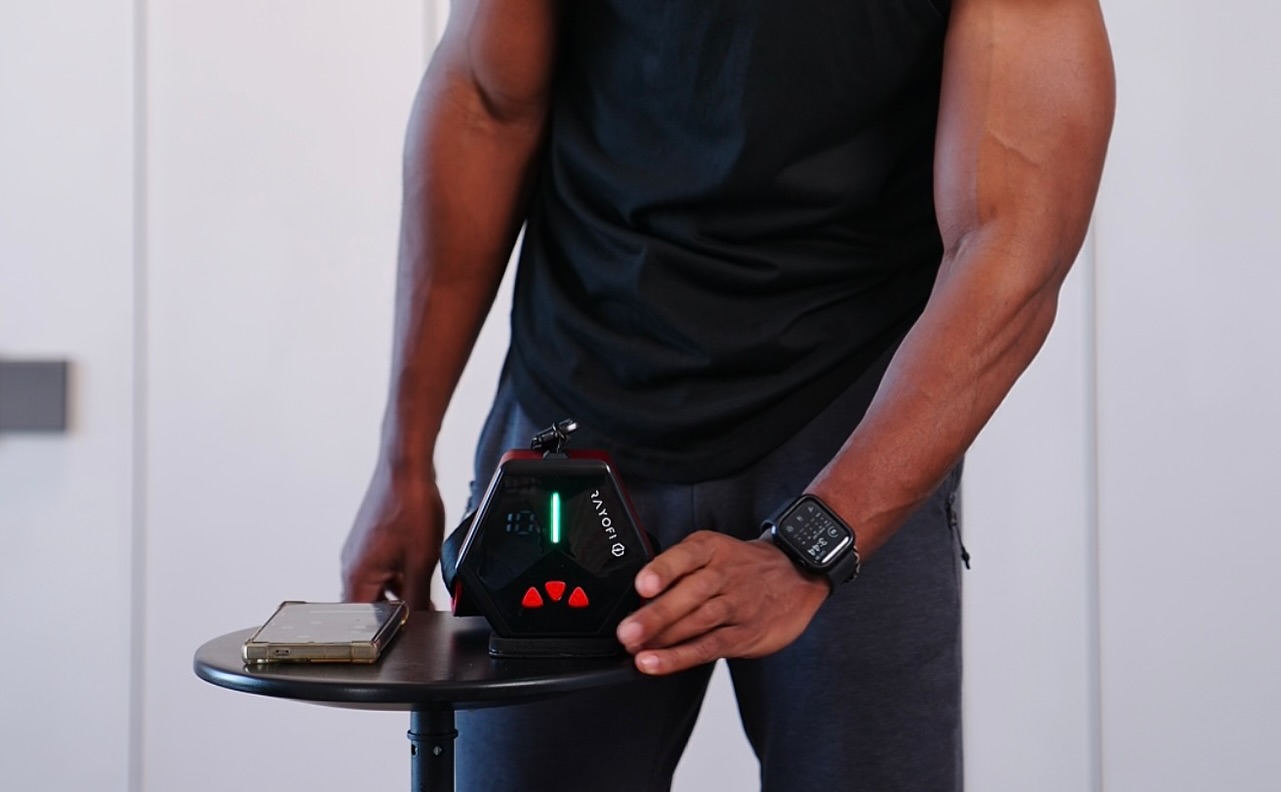
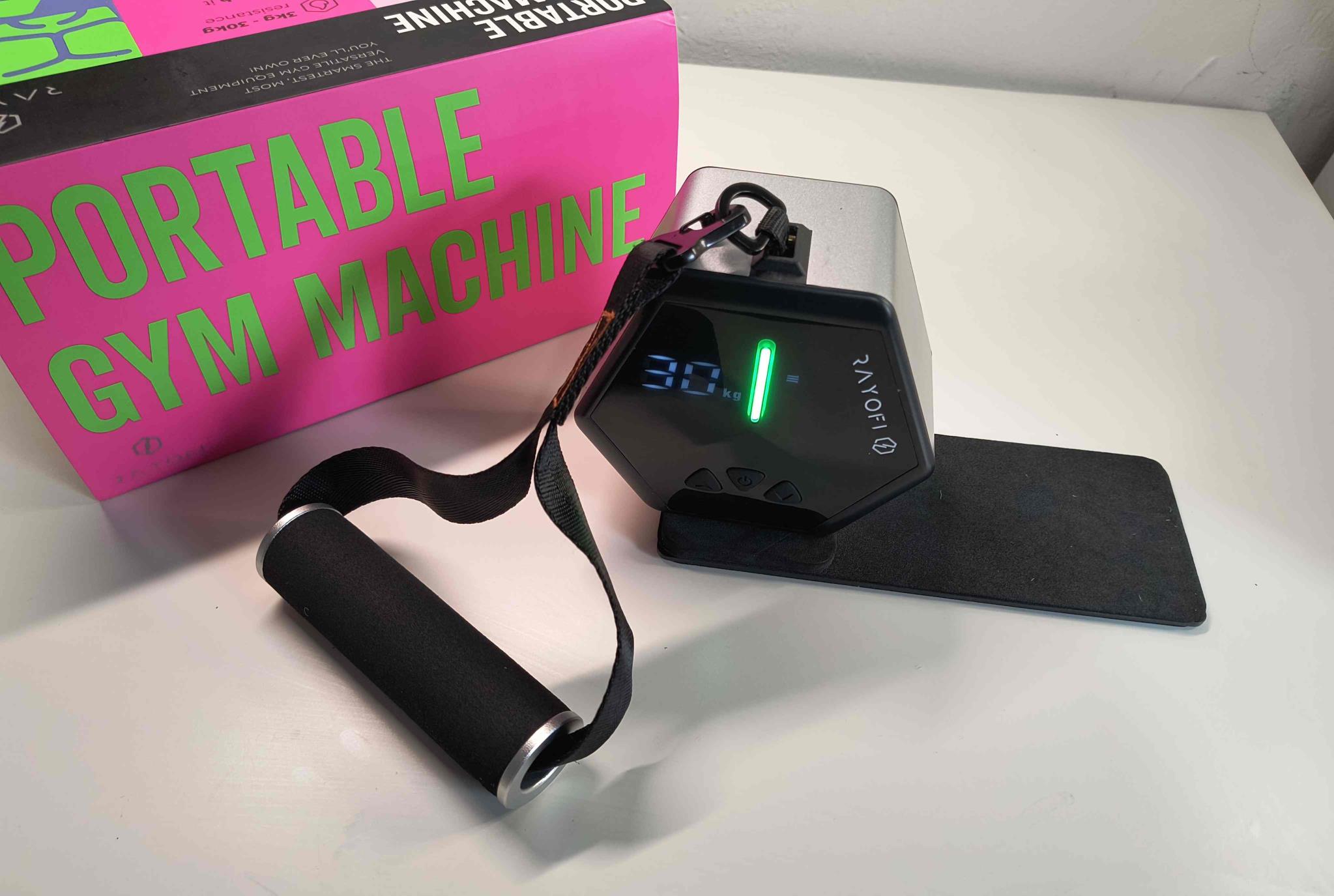
The Rayofi Go-Tone is very small and portable
Get your FREE 23-Page Athletes Guide to Strength and Conditioning
What is the Rayofi Go-Tone?
The Rayofi Go-Tone is a compact, motorised resistance trainer weighing roughly 700g (1.5lbs), capable of providing up to 30kg (66lbs) of resistance through a cable-based pulling system. Resistance is electronically controlled manually or via Bluetooth, allowing both concentric (lifting phase) and eccentric (lowering phase) loading.
Unlike resistance bands, the load does not depend on stretch length, and unlike free weights, the device can be anchored in multiple directions using a door anchor, foot plate or straps — making it particularly suitable for travel.
Price: €279/$300/£240
Rayofi Website: Rayofi.com
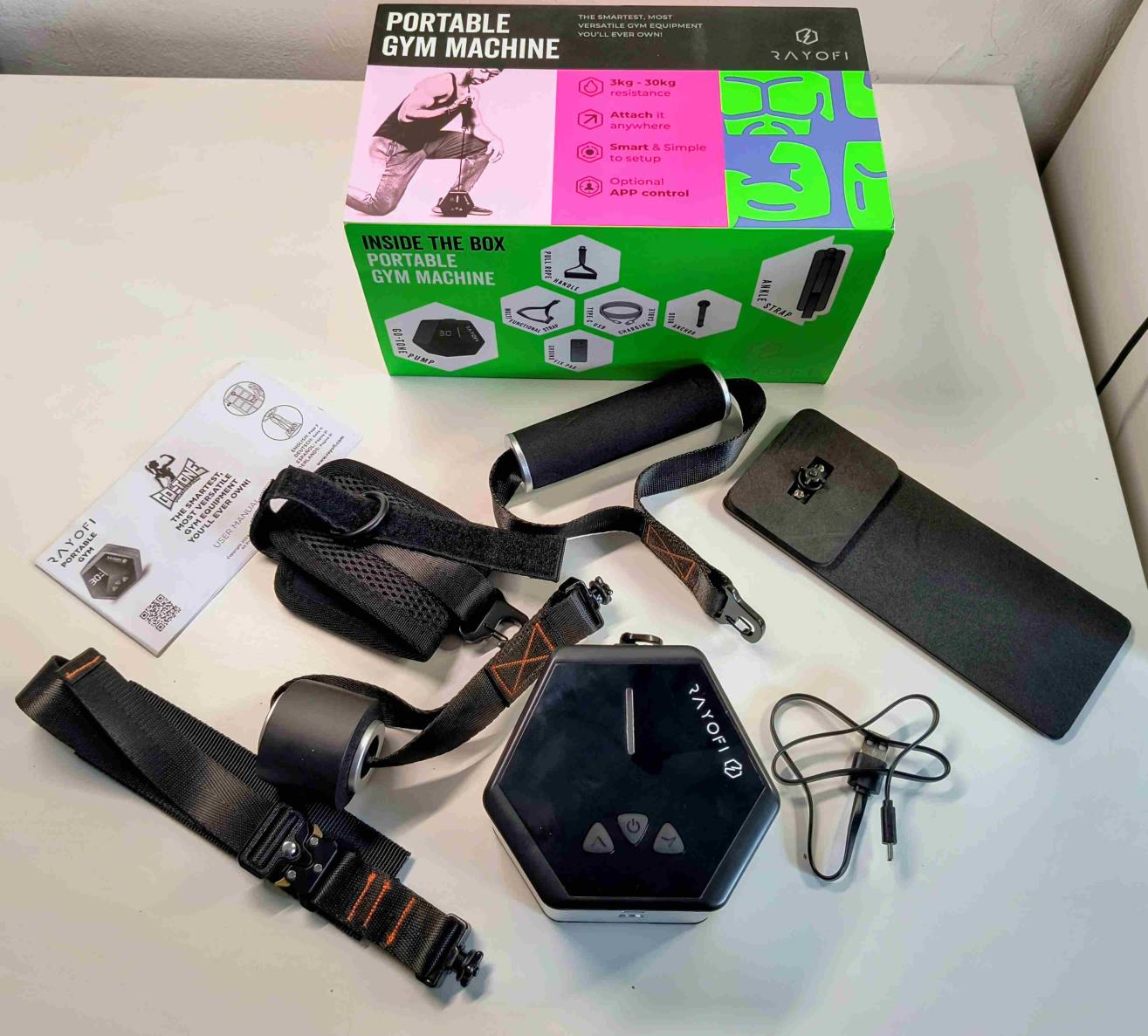
Rayofi Go-Tone Portable Gym Box Contents
Get your FREE Rayofi Go-Tone Exercise Guide
What’s Inside the Box
Inside the box you’ll find:
- Rayofi Go-Tone main unit
- USB-C charging cable
- Pull handle / rope attachment
- Door anchor
- Foot platform / ground fix pad
- Ankle strap
- Strap to attach Go-Tone unit
Everything fits easily into a small backpack or campervan storage drawer. Setup takes less than two minutes once you’ve used it once or twice, which matters when training between swim, bike and run sessions.
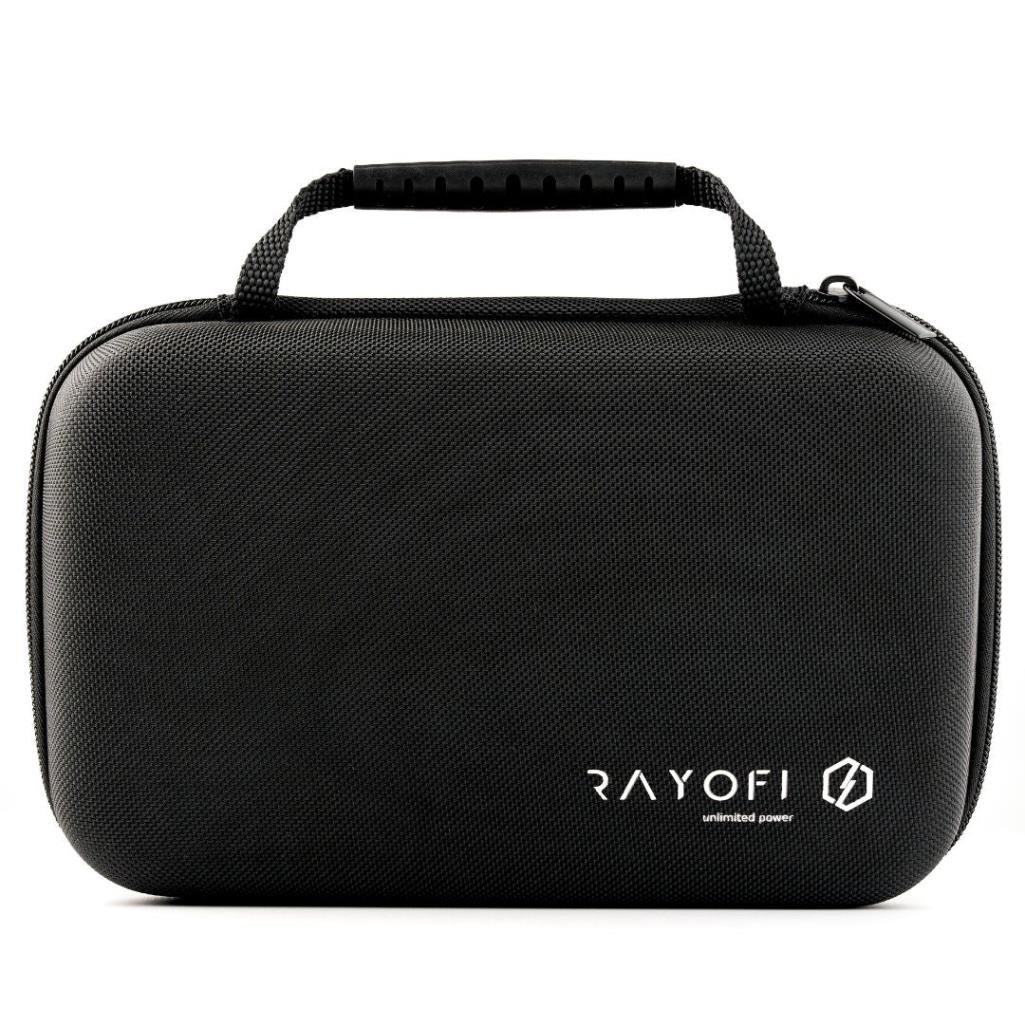
Note: the unit does not come with a bag so to keep all the items in one place you will need to source your own bag or purchase one from Rayofi separately.
Rayofi Go-Tone Unboxing Video
Get your FREE 23-Page Athletes Guide to Strength and Conditioning
Why Strength Training Matters for Triathletes
A substantial body of research shows that appropriately programmed strength training improves endurance performance, particularly running economy, cycling efficiency and fatigue resistance, without unnecessary increases in body mass (Balsalobre-Fernández et al., 2016; Rønnestad & Mujika, 2014).
For endurance athletes, the key benefit of strength training is not muscle size but improved neuromuscular efficiency — producing more force at a lower energetic cost.
Controlled trials and meta-analyses consistently demonstrate improvements in running economy and endurance performance when resistance training is added to endurance programs (Balsalobre-Fernández et al., 2016; Beattie et al., 2014; Yamamoto et al., 2008).
Relevance for triathletes
- Cycling and Running performance
Heavy and moderate-load strength training improves maximal force production, cycling time-trial performance and fatigue resistance through neuromuscular adaptations rather than hypertrophy (Rønnestad et al., 2010; Rønnestad & Mujika, 2014). - Swimming robustness and force transfer
Dry-land strength training improves upper-body force production, trunk stability and shoulder robustness, supporting effective force transfer through the swim stroke and reducing injury risk (Aspenes & Karlsen, 2012; West et al., 2011). - Injury risk reduction
Resistance training, particularly with controlled eccentric loading, increases tendon stiffness and mechanical capacity — a key protective adaptation for high-volume endurance athletes (Bohm et al., 2015; Waugh et al., 2014).
Practical Programming Takeaway
The benefits of strength training depend on how it is applied. Research supports relatively low-volume, high-quality sessions with an emphasis on unilateral exercises and controlled eccentrics, which enhance performance and connective tissue capacity without compromising endurance training or body mass (Beattie et al., 2014; Rønnestad & Mujika, 2014).
Get your FREE 23-Page Athletes Guide to Strength and Conditioning
Why this matters even more for Older Athletes and Menopausal Women
For masters/age group athletes and menopausal women, strength training plays an even more critical role. Strong evidence shows that resistance training helps:
- Preserve lean muscle mass and strength (Nelson et al., 2007; Peterson et al., 2010)
- Maintain bone mineral density (Howe et al., 2011)
- Improve balance, coordination and confidence (Nelson et al., 2007)
- Reduce injury and fall risk through improved neuromuscular and connective tissue capacity (Nelson et al., 2007)
For menopausal women in particular, progressive resistance training is one of the most effective non-pharmacological strategies for counteracting age- and hormone-related declines in muscle and bone.
The ability to perform controlled eccentric (lowering phase) loading and progressive resistance without heavy barbells can make strength training more accessible and sustainable long-term (Howe et al., 2011).
A portable system like the Rayofi Go-Tone lowers the logistical barrier to staying consistent — which is often the biggest challenge for this group.
 Get your FREE Rayofi Go-Tone Exercise Guide
Why the Rayofi Go-Tone works well for Swimmers, Cyclists and Runners
While no single device can replace a fully equipped gym, the Rayofi Go-Tone aligns well with the key strength demands of swimming, cycling and running, making it a practical tool for maintaining sport-specific strength across all three disciplines.
Swimmers
- Resisted pull patterns closely mimic stroke mechanics
- Excellent for scapular stability, lats and posterior shoulder
- Useful for shoulder prehab and injury-prevention work
Cyclists
- Supports unilateral leg strength and hip hinge patterns
- Allows trunk anti-rotation work relevant to aero position stability
- Useful for maintaining strength during heavy cycling blocks
Runners
- Enables single-leg loading, hip stability and posterior chain work
- Helps maintain tendon stiffness and force production
- Supports eccentric strength and braking control, which are critical for managing ground-contact forces and reducing injury risk in running
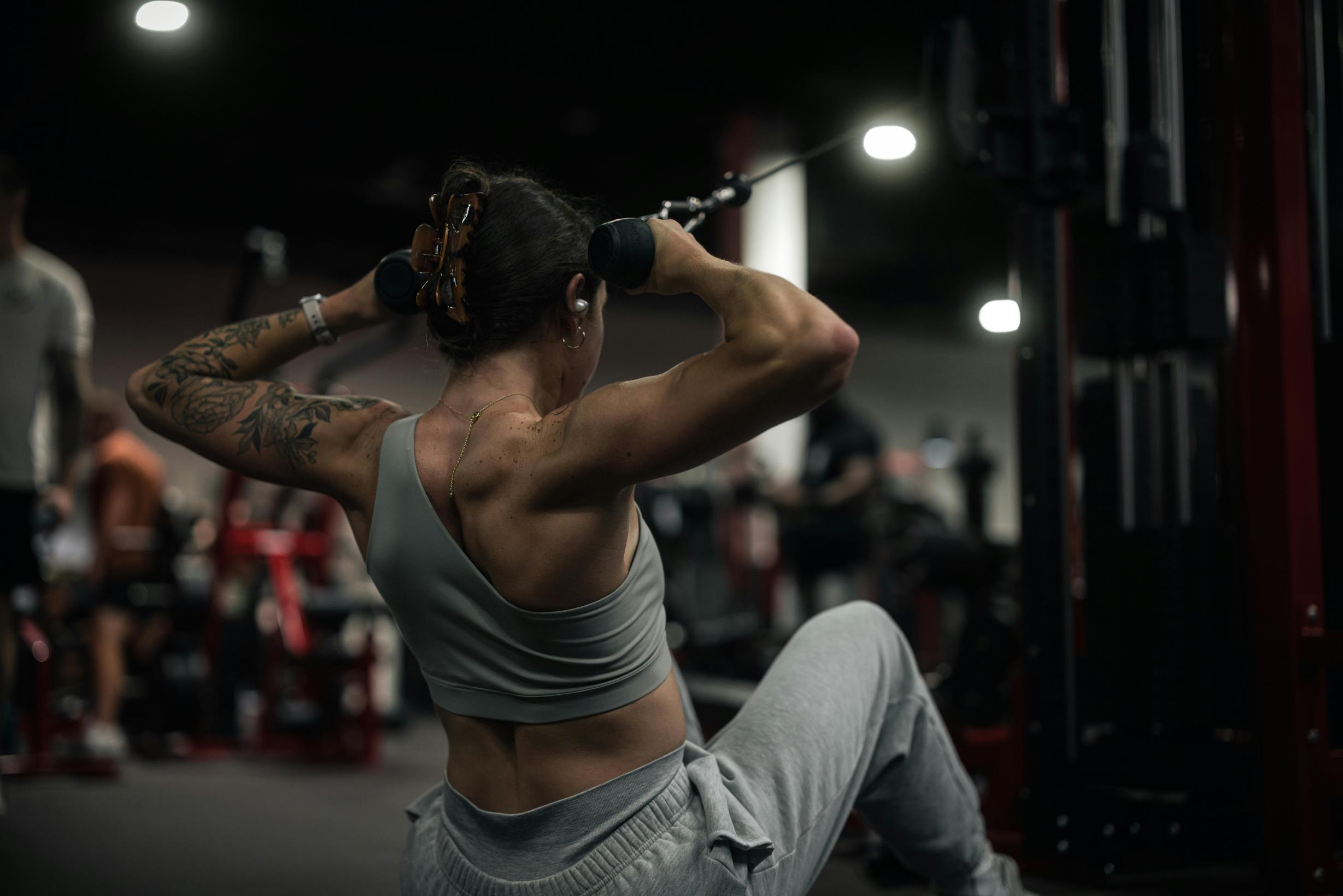
Photo by @marcuschanmedia
Get your FREE 23-Page Athletes Guide to Strength and Conditioning
What Exercises can you Realistically do with a Single Unit?
Despite its size, the exercise range is broad. Using one Go-Tone unit with standard anchors and attachments, you can perform the following:
Lower body
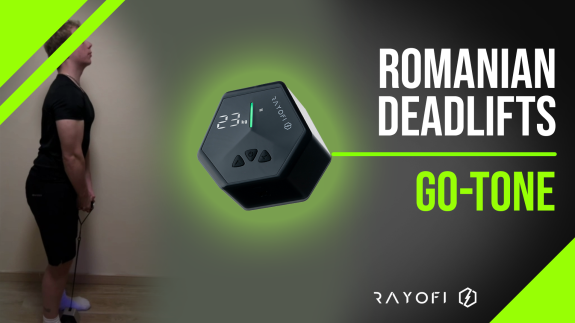
- Single-leg or Double-leg Romanian deadlifts
- Split squats
- Squats (double-leg or single-leg emphasis, depending on setup)
- Seated Hamstring curls (using the ankle strap)
Upper body
- Rows (high, mid and low anchor positions)
- Triceps press-downs
- Single-arm chest presses
- Face pulls / high rows
- Assisted pull ups (needs a waist belt)
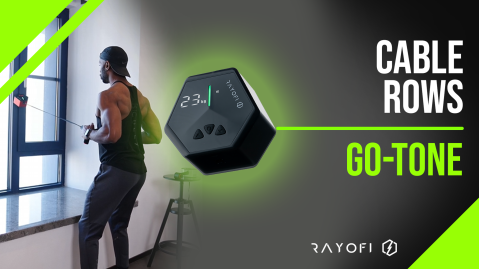
Go-Tone Exercises on ChiliTri YouTube Channel: Cable Row
Core
- Anti-rotation presses (Pallof-style)
- Wood Chops
- Standing Russian Twists
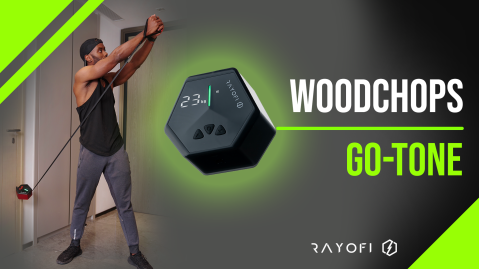
Go-Tone Exercises on ChiliTri YouTube Channel: Woodchops
This exercise selection is more than sufficient for strength maintenance and moderate strength development in endurance athletes, particularly when combined with unilateral loading and controlled eccentric tempo.
The Rayofi exercise guide gives more examples of exercise.
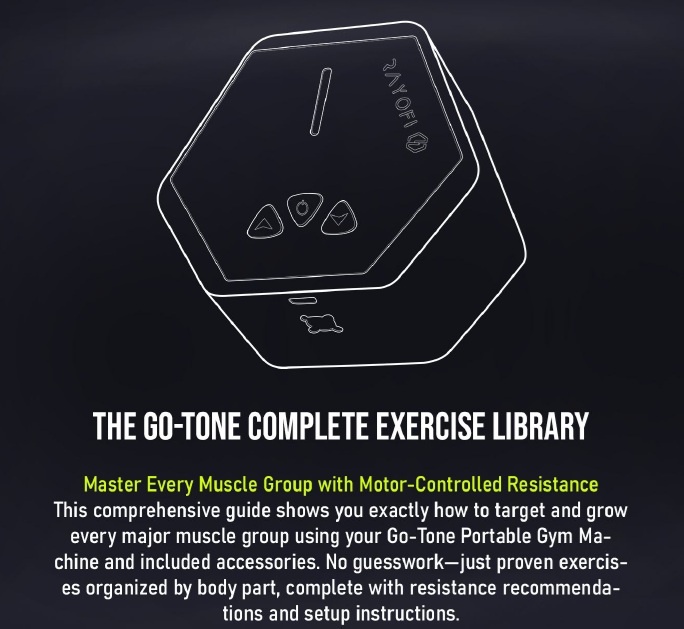
Get your FREE Rayofi Go-Tone Exercise Guide
Extending the Range of Exercises
Some of the exercises in the App and on YouTube require two units to be effective. For example, a full squat, which will also need the bar attachment. Rayofi sell a footpad and bar accessory pack to help with this type of exercise. This footpad can also be mounted on the wall to extend the exercise list even further. The other added benefit is that the total maximum effective resistance increases to 60kg (132lbs) with two units.
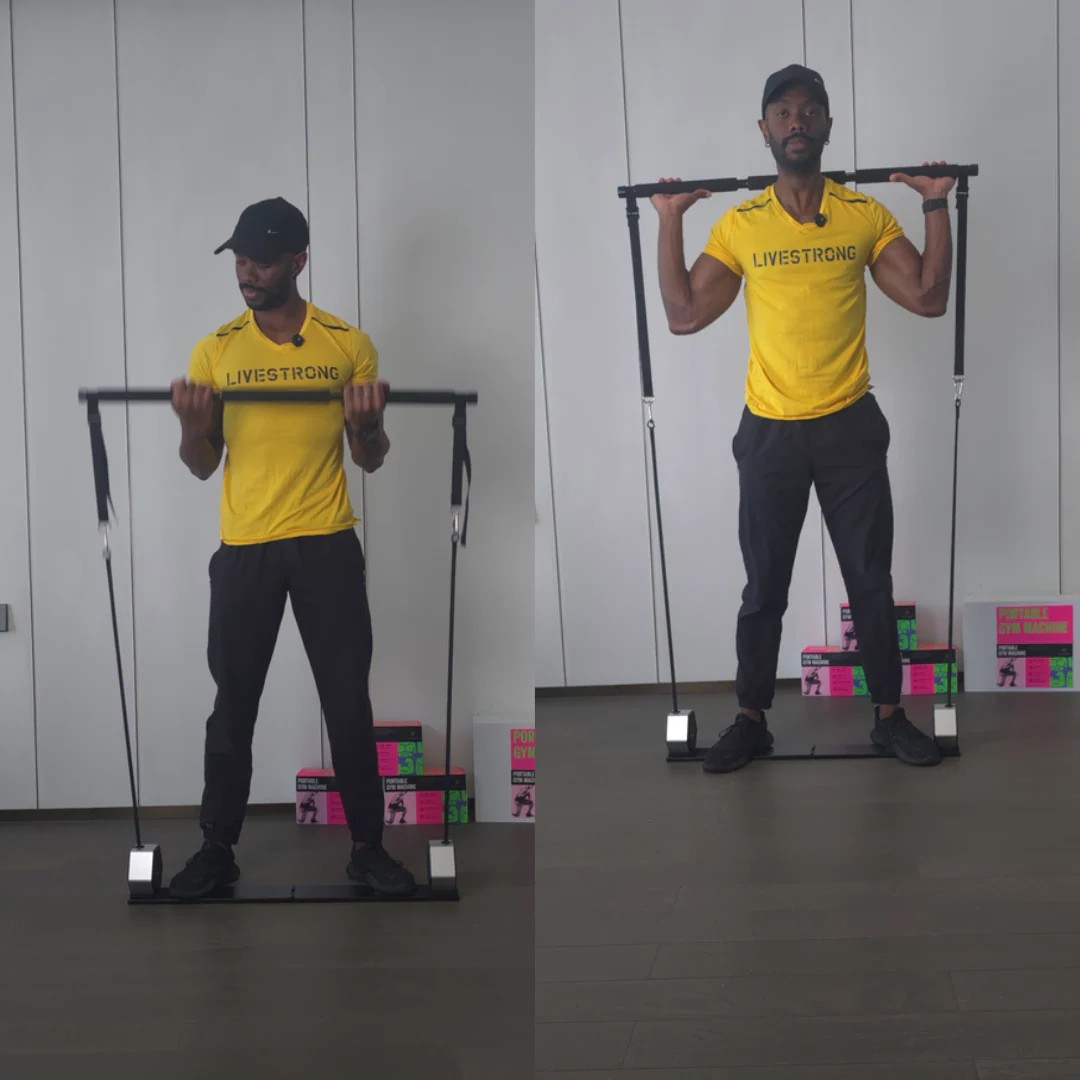
The Rayofi Footpad and bar accessory kit for using two units
Get your FREE 23-Page Athletes Guide to Strength and Conditioning
The Companion App: TT BOT
Rayofi recommend using their companion app, TT BOT, with the Go-Tone. The device can be also used without the app, but TT BOT provides Bluetooth control, basic workout guidance and session summaries.
Strengths
- Easy resistance adjustment from your phone
- Exercise demos for newer strength trainees
- Useful structure when training alone or travelling
Limitations
- Limited lower-body exercise videos, especially when using only one unit
- Some sections of the app are not fully in English
- Limited value for experienced athletes who already programme their training
Coach’s take:
TT BOT is a helpful optional extra, particularly for beginners. More experienced triathletes will likely use it minimally and rely on their own programming.
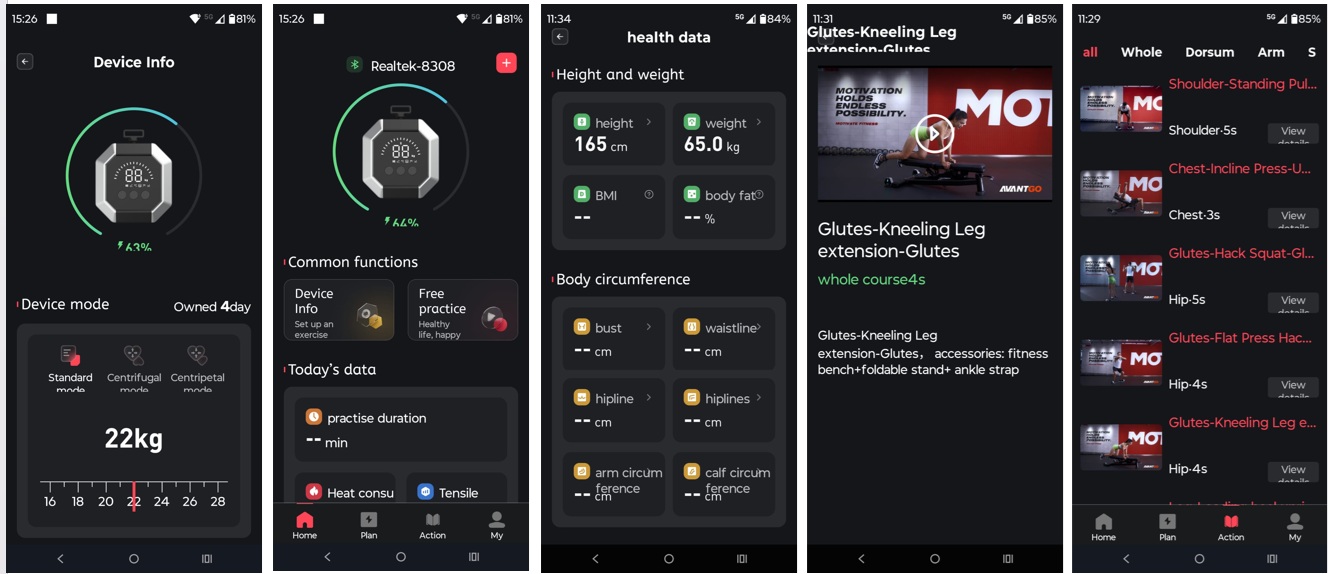
Rayofi Go-Tone Portable Gym App Screenshots : Get your FREE Rayofi Go-Tone Exercise Guide
Example Triathlete Strength Session (Travel-Friendly)
The training session below is one that you can do with just one Go-Tone unit.
Remember to warm up full before attempting this session and stretch well after. Select the resistance appropriate for our level. You can change the resistance level using the buttons on the unit or via the App. The display on the front of the device shows what resistance you have selected.
Put the unit in dual mode (this means you feel resistance on both concentric/lifting phase and the eccentric/lowering phase). Using both concentric and eccentric modes is more effective because it trains muscles and tendons to both produce and absorb force, increasing strength, durability and real-world performance without needing heavier loads.
Some of the exercises are best completed with a cable handle rope attachment which is not included in the kit. They are however low cost, and you can get them from Amazon easily.
I found that using the unit in dual mode (eccentric and concentric) made the effort level higher than using dumbbells so you may need to adjust the resistance level accordingly – don’t worry if it feels harder!
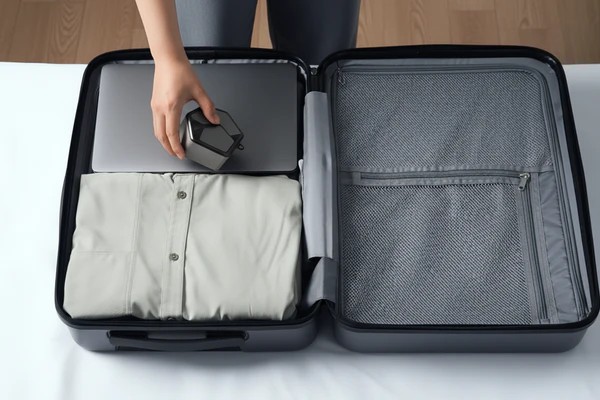
Rayofi Go-Tone Portable Gym going on holiday!
Get your FREE 23-Page Athletes Guide to Strength and Conditioning
Full-Body Strength Workout (single-unit Go-Tone)
Frequency: 2–3 times per week
Rest: 60–120 s between sets
Load: Choose a resistance that makes the last 2 reps challenging with good form
Mode: Concentric and Eccentric enabled using Dual Mode (slow eccentrics 3–5 s)
Anchor points used: Door and foot plate.
Upper Body (pull, push & shoulder health)
1. Standing Single-Arm Row
Anchor: Foot plate, Low or mid anchor
Sets x Reps: 3 × 8–10 each arm
- Focus on scapular control and trunk stability
- Excellent for swimmers and posture on the bike
2. Single-Arm Chest Press
Anchor: Behind you at chest height (door anchor is good)
Sets x Reps: 3 × 8–10 each arm
- Anti-rotation demand improves core engagement
- Keep ribs down and pelvis neutral
3. High Row / Face Pull
Anchor: High anchor (door or strap) plus cable handle rope attachment
Sets x Reps: 3 × 10–12
- Shoulder health and posterior chain balance
- Particularly useful for swim durability
4. Triceps Press-Down
Anchor: High anchor
Sets x Reps: 2–3 × 12–15
- Accessory work to support pressing and swimming
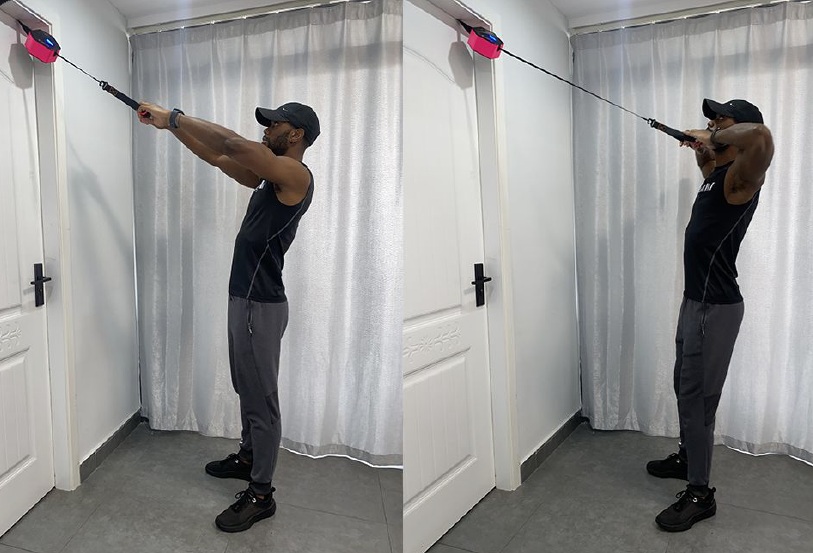
High Row / Face Pull Exercise using the Rayofi Go-Tone Portable Gym
Lower body (unilateral strength & posterior chain)
5. Single-leg Deadlift
Anchor: Low anchor in front plus cable handle rope attachment
Sets x Reps: 3 × 6–8 each leg
- Prioritise slow eccentrics
- Key for running economy and injury resilience
6. Split Squat (rear foot supported if possible)
Anchor: Low anchor in front or to side
Sets x Reps: 3 × 8 each leg
- Keep torso tall
- Strong transfer to cycling and running force production
7. Standing Hamstring Curl
Anchor: Low anchor with ankle strap
Sets x Reps: 2–3 × 10–12 each leg
- Excellent for hamstring strength without spinal load
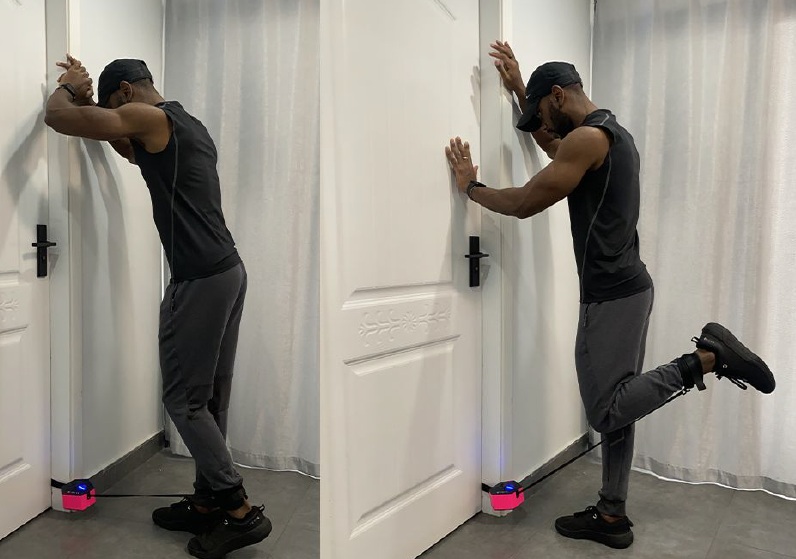
Standing Hamstring Curl: Get your FREE Rayofi Go-Tone Exercise Guide
Core (anti-rotation, trunk control)
8. Pallof Press (anti-rotation hold)
Anchor: Mid anchor
Sets x Reps: 3 × 10–12 presses or 30 s holds each side
- Key for bike stability and run posture
9. Cable Wood Chop
Anchor: High-to-low or low-to-high
Sets x Reps: 3 × 8–10 each side
- Rotational strength with control
- Useful for swimming force transfer
10. Kneeling Cable Crunches (optional finisher)
Anchor: High (in line with your head when kneeling)
Sets x Reps: 3 x 8-10
- Maintain neutral spine
- Light load, high control
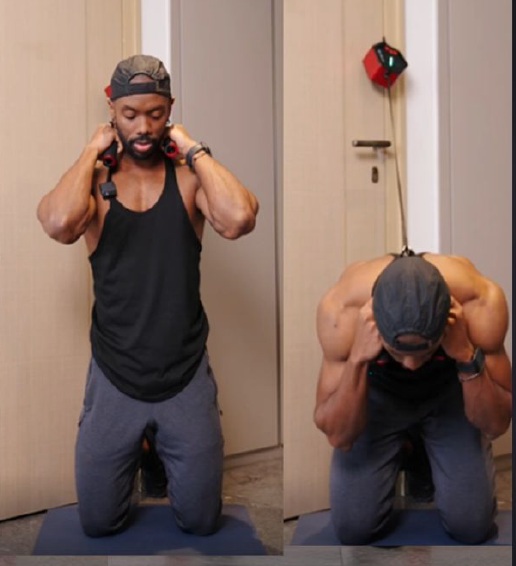
Kneeling Cable Crunch using the Go-Tone
Get your FREE 23-Page Athletes Guide to Strength and Conditioning
Coaching Notes
- Unilateral loading is the feature, not the limitation
Single-unit systems excel at single-arm and single-leg work — which maps extremely well to triathlon demands. - Tempo > load
Use slow Eccentrics/lifting phase (3 to 5 seconds) and controlled Concentrics/lowering phase to increase stimulus without chasing max resistance. Making training more effective and efficient. - Progression ideas
- Increase eccentric time
- Add pauses at end range
- Increase reps before increasing load
- Race-week option
Reduce to 1–2 sets per exercise and keep everything sub-maximal.
You can get more exercise routines in the free Rayofi Go-Tone exercise guide.
Pros and Cons of the Rayofi GO-TONE Portable Gym
When evaluating any piece of training kit, especially one designed for travel and compact strength work, it’s important to balance both performance and practicality.
The Rayofi Go-Tone has several real strengths that make it a strong choice for endurance athletes who value consistency on the road, but it also has limitations that are worth knowing before you commit.
Below is a straightforward look at the key advantages and drawbacks based on real use — at home and when travelling.
Pros
- Extremely portable
- Versatile exercise options
- Controlled Eccentric (lowering phase) loading – more efficient training
- Ideal for travel and race weeks – if you are staying in a hotel, you can anchor the unit to a room door for example.
Cons
- Max resistance (30kg) limits maximal strength development
- App content limitations
- Requires charging
- For the most exercise variation, especially lower body, you may need two units and a bar
- When travelling in a Campervan you need to be inventive with the anchor points! Park benches, trees, lamp posts, the many outdoor beach gyms in Spain and more.
- Can take a little time to change between anchor points
- Does not come with a bag to keep all the parts in one place (but you can purchase one separately from Rayofi)
Get your FREE 23-Page Athletes Guide to Strength and Conditioning
Comparison: Rayofi Go-Tone vs Kettlebell
Both the Rayofi Go-Tone and a kettlebell can play a useful role in strength training for endurance athletes, but they serve very different purposes. This comparison isn’t about which tool is “better” overall, but which one makes the most sense depending on your training goals, available space and how often you travel.
Kettlebell
- Better for maximal strength and ballistic power
- Heavier and less travel-friendly
- Does not need charging!
Rayofi Go-Tone
- Far easier to travel with
- More versatile pulling angles
- Better for controlled tempo and unilateral work
Best choice depends on context. The Rayofi Go-Tone is excellent for portable, controlled and unilateral strength training, while kettlebells are better suited to ballistic lifts and traditional free-weight movement patterns.
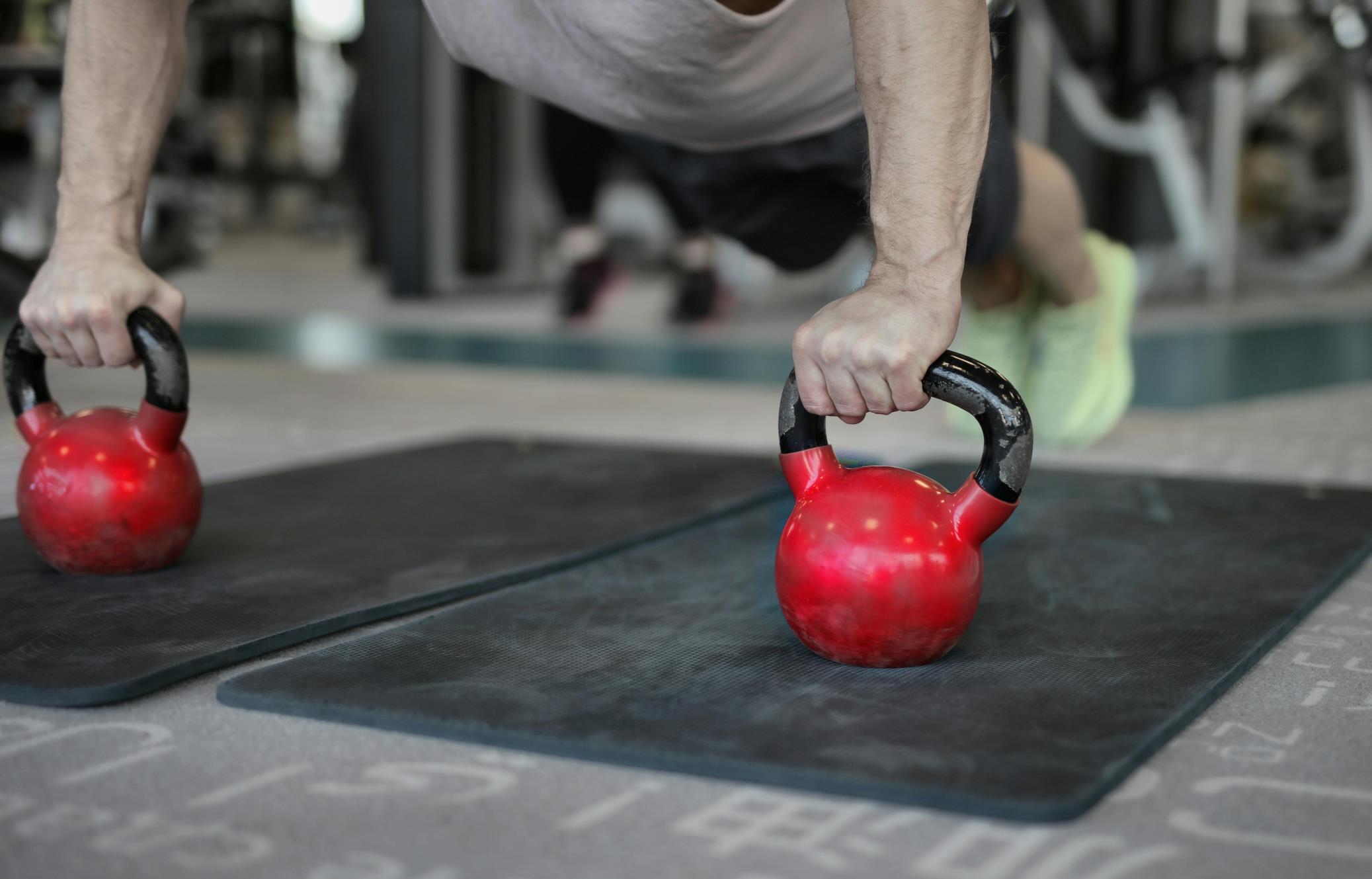
Photo by Andrea Piacquadio
Comparison: Rayofi Go-Tone vs Resistance Bands
Resistance bands are a common travel solution for endurance athletes, largely because they’re cheap, light and easy to pack. The Rayofi Go-Tone targets the same use case but approaches it with a more structured, technology-driven solution. Here’s how the two compare in practical, real-world use.
Resistance Bands
- Cheap, light, no battery required
- Resistance varies with stretch
Rayofi Go-Tone
- Consistent resistance throughout range
- Better for tracking and tempo work
- Higher cost
Bands are a practical low-cost option, while the Rayofi Go-Tone provides higher resistance with more precise load and tempo control.
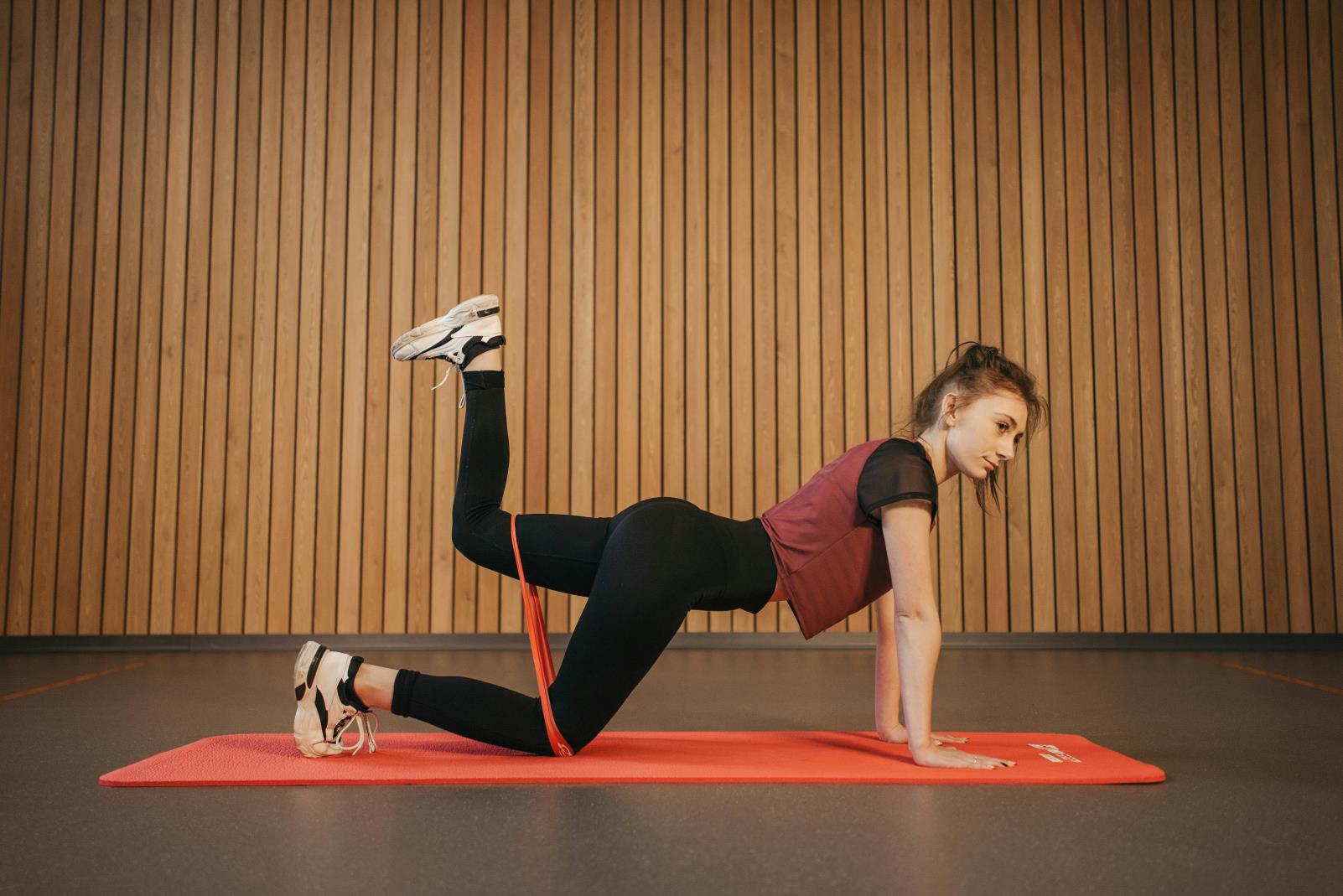 Photo by Pavel Danilyuk
Conclusion and Final Verdict: Who is this For?
The Rayofi Go-Tone is not a barbell replacement. It is a high-quality portable strength solution.
It is particularly well-suited to:
- Triathletes who travel frequently
- Masters or Age Group athletes and menopausal women
- Athletes wanting consistency over maximal load
- Athletes who only have a small area to train in at home
- Want an efficient and effective workout that trains both eccentric and concentric phases
If you value consistent strength training anywhere, this is one of the more practical portable solutions currently available.
To get 10% off use thislink and enter this code: KARENPARNELL
Karen Parnell is a Level 3 British Triathlon and IRONMAN Certified Coach, 8020 Endurance Certified Coach, WOWSA Level 3 open water swimming coach, and NASM Personal Trainer and Sports Technology Writer.
Karen has a postgraduate MSc in Sports Performance Coaching from the University of Stirling.
Need a training plan? I have plans on TrainingPeaks and FinalSurge:
I also coach a very small number of athletes one-to-one for all triathlon and multi-sport distances, open water swimming events, and running races. Email me for details and availability. Karen.parnell@chilitri.com
Get your FREE 23-Page Athletes Guide to Strength and Conditioning
Reference list
Balsalobre-Fernández, C., Santos-Concejero, J., & Grivas, G. V. (2016).
Effects of strength training on running economy in highly trained runners: A systematic review with meta-analysis.
Sports Medicine
Beattie, K., Carson, B. P., Lyons, M., & Kenny, I. C. (2017).
The effect of strength training on performance indicators in distance runners.
Journal of Strength and Conditioning Research
Bohm, S., Mersmann, F., & Arampatzis, A. (2015).
Human tendon adaptation in response to mechanical loading: A systematic review and meta-analysis.
Sports Medicine
Rønnestad, B. R., Hansen, E. A., & Raastad, T. (2010).
Effect of heavy strength training on thigh muscle cross-sectional area, performance determinants, and performance in well-trained cyclists.
European Journal of Applied Physiology, 108(5), 965–975.
Rønnestad, B. R., & Mujika, I. (2014).
Optimizing strength training for running and cycling endurance performance: A review.
Scandinavian Journal of Medicine & Science in Sports, 24(4), 603–612.
Aspenes, S. T., & Karlsen, T. (2012).
Exercise-training intervention studies in competitive swimming.
Sports Medicine
West, D. J., et al. (2011).
Effects of a strength training program on the performance of junior elite swimmers.
Journal of Strength and Conditioning Research
Waugh, C. M., Korff, T., Fath, F., & Blazevich, A. J. (2014).
Effects of resistance training on tendon mechanical properties and rapid force production in humans.
Journal of Applied Physiology
Yamamoto, L. M., et al. (2008).
The effects of resistance training on endurance distance running performance among highly trained runners.
Journal of Strength and Conditioning Research
Nelson, M. E., Rejeski, W. J., Blair, S. N., Duncan, P. W., Judge, J. O., King, A. C., Macera, C. A., & Castaneda-Sceppa, C. (2007).
Physical activity and public health in older adults: Recommendation from the American College of Sports Medicine and the American Heart Association. (2007)
Medicine & Science in Sports & Exercise.
Peterson, M. D., Rhea, M. R., Sen, A., & Gordon, P. M. (2010).
Resistance exercise for muscular strength in older adults: A meta-analysis.
Ageing Research Reviews, 9(3), 226–237.
Howe, T. E., Shea, B., Dawson, L. J., Downie, F., Murray, A., Ross, C., Harbour, R. T., Caldwell, L. M., & Creed, G. (2011).
Exercise for preventing and treating osteoporosis in postmenopausal women.
Cochrane Database of Systematic Reviews, Issue 7, CD000333.
Rayofi Go-Tone Portable Gym – Frequently Asked Questions (FAQ)
Is the Rayofi Go-Tone suitable for triathletes?
Yes. The Go-Tone is well suited to triathletes who want to maintain or build moderate strength, improve unilateral control and support injury resilience when gym access is limited. It’s particularly useful during travel, race weeks and base periods where consistency matters more than maximal loading.
Can the Go-Tone replace traditional gym strength training?
No — and it’s not designed to. The Go-Tone is best viewed as a portable strength solution, not a replacement for barbells or heavy free weights. It excels at unilateral work, controlled tempo, eccentric loading and maintenance training, but it cannot replicate maximal strength or heavy power lifting.
How much resistance does the Go-Tone provide?
The Go-Tone provides up to approximately 30kg (66lbs) of resistance. For many endurance athletes this is sufficient when combined with unilateral exercises, slower eccentrics and increased time under tension. Stronger athletes may find it limiting for maximal lower-body strength work.
Do you need the TT BOT app to use the device?
No. The Go-Tone can be used without the app. The TT BOT app adds Bluetooth control, basic workout guidance and session summaries, but experienced athletes can use the device effectively with their own programming.
Can you train both concentric and eccentric strength?
Yes. One of the key strengths of the Go-Tone is the ability to train concentric, eccentric, or both phases together. Using both modes improves force production, force absorption and tissue durability — especially valuable for runners and older athletes.
What exercises can you realistically do with one unit?
With a single unit you can perform a wide range of exercises, including:
- Rows (high, mid, low)
- Chest presses (single-arm)
- Triceps press-downs
- Single-leg Romanian deadlifts
- Split-stance and squat variations
- Hamstring curls (with ankle strap)
- Anti-rotation core work, chops and plank variations
This is more than enough for full-body strength maintenance and moderate progression in endurance athletes.
Is one unit enough, or do you need two?
One unit is sufficient for most users, especially for upper body, core and unilateral lower-body work. Two units increase exercise variety and make some bilateral lower body exercises easier to set up, but they are not essential for effective training.
Is it suitable for older athletes or menopausal women?
Yes. The Go-Tone is particularly useful for older athletes because it allows controlled eccentric loading, progressive resistance and unilateral work without heavy external loads. This makes strength training more accessible, joint-friendly and sustainable long term.
How portable is it really?
Very. The unit is compact and lightweight, easily fitting into a backpack or campervan storage. One practical downside is that it does not come with a dedicated carry bag, so users may want to organise their own storage for attachments. Rayofi does sell a specific carry bag separately if you need one.
Does it need charging?
Yes. The Go-Tone is battery powered and requires charging. This hasn’t been an issue in practice, but it does mean planning ahead when travelling — especially if you’re off-grid.
Who is the Rayofi Go-Tone best for?
The Go-Tone is best suited to:
- Triathletes and endurance athletes who travel frequently
- Athletes looking to maintain strength during race season
- Masters/Age Group athletes and menopausal women
- Anyone prioritising consistency, control and injury resilience over maximal lifting
Is a carry case included in the kit?
No, but you can buy a case separately from the Rayofi website.
This website uses affiliate links which may earn a commission at no additional cost to you. As an Amazon Associate I earn from qualifying purchases. which may cover part of a cup of coffee for me to fuel my training.